How to Assess Paper Cup Machines for Recyclable Cup Production
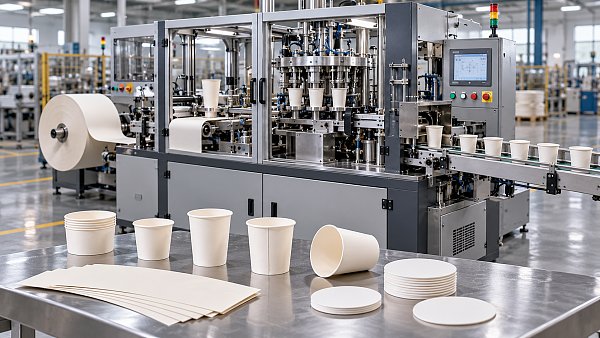
A paper cup machine is suitable for recyclable cup production only if it can repeatedly form the specified cup structure without damaging its barrier, compromising seals, or generating unacceptable waste. Rated speed and a successful demonstration with conventional coated board do not establish that capability. The decisive evidence is sustained production using the intended sidewall and bottom materials, followed by testing against defined cup-quality requirements.
Machine capability also does not establish recyclability. That depends on the finished cup’s material composition, its behavior in an appropriate recycling process, and the collection and processing infrastructure in the destination market. Equipment assessment therefore needs two separate decisions: whether the proposed cup structure has credible recycling evidence, and whether the machine can convert that structure reliably at an economically useful output.
Define the cup structure before comparing machines
“Recyclable paper cup” is not a sufficiently precise equipment specification. Polyethylene-coated board, alternative thermoplastic coatings, and aqueous dispersion barriers can have different sealing, friction, stiffness, and heat-response characteristics. An aqueous coating is not necessarily plastic-free, and neither an alternative coating nor a lower coating weight automatically makes the finished cup recyclable.
The material specification should identify the paperboard grade, grammage, caliper, coating chemistry, coating weight, coated sides, grain direction, and permitted moisture range. Sidewall and bottom stock require separate identification: their interaction at the bottom joint is as important as either material’s individual properties.
Application conditions must also be fixed. A cup intended for hot beverages needs a different validation protocol from one intended for prolonged cold-drink exposure, ice, or condensation. Specify nominal and brimful capacity, dimensions, filling temperature, holding time, lid interface, and any stacking or dispensing requirements before requesting performance guarantees.
For recyclability, request evidence relevant to the complete construction, including printing, coatings, adhesives where used, and additional layers. Laboratory repulpability or recyclability results should identify the test method and sample
Related News
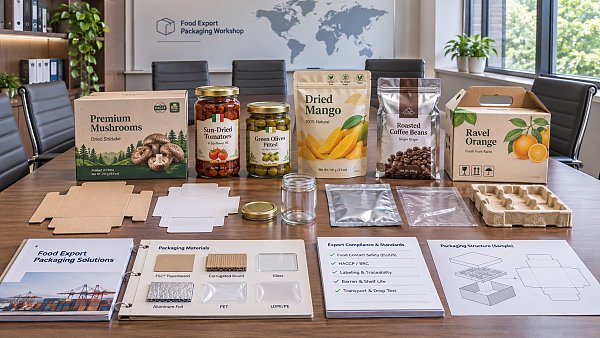
 EU Packaging Rules Workshop Helps Sri Lankan Food Exporters Prepare for PPWREU packaging rules and PPWR are reshaping export readiness. Discover how Sri Lankan food exporters can review packaging and prepare for EU market requirements.Dr. Elias Vance
 US Packaging Label Bill and EU PPWR Reforms AdvanceUS packaging label bill and EU PPWR reforms could reshape environmental claims and packaging requirements. Explore what manufacturers should monitor to prepare for potential changes.Dr. Elias Vance
 Freiburg, Germany, to Tax Single-Use Beverage Cups from 2027Freiburg’s single-use cup tax starts January 1, 2027, targeting beverage and ice cream cups. Explore potential cost impacts and how businesses can prepare for the change.Dr. Elias Vance
 How to Assess Paper Cup Machines for Recyclable Cup ProductionAssess Paper Cup Machines for recyclable cup production. Learn how to verify material compatibility, seal quality, and reliable output before investing.Dr. Elias Vance
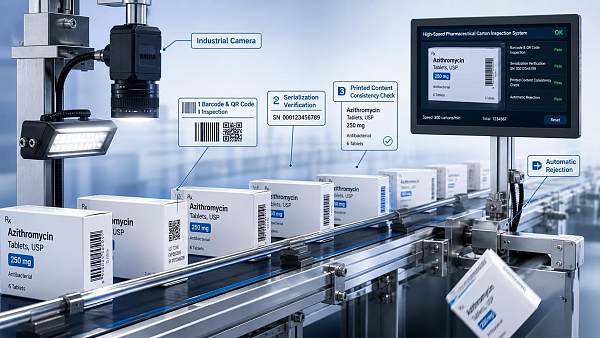
 Pharmaceutical Carton Inspection Systems: Compliance Checks You Cannot MissPharmaceutical Carton Inspection Systems help prevent recalls by verifying artwork, barcodes, serialization, and print quality—see the compliance checks every pharma line cannot afford to miss.Dr. Elias Vance
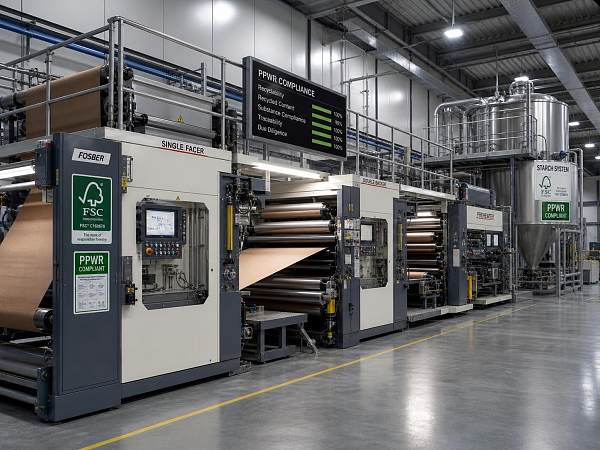
 Packaging Compliance Moves Toward a Full “Design–Materials–Production–Traceability” FrameworkOn August 12, 2026, the EU Packaging and Packaging Waste Regulation (PPWR, Regulation (EU) 2025/40) entered its general application phase. The regulation, which entered into force on February 11, 2025, aims to establish a harmonized regulatory framework for packaging across the European Union and raise sustainability requirements covering packaging design, material composition, reusability, recyclability, labeling, and packaging waste management.Dr. Elias Vance