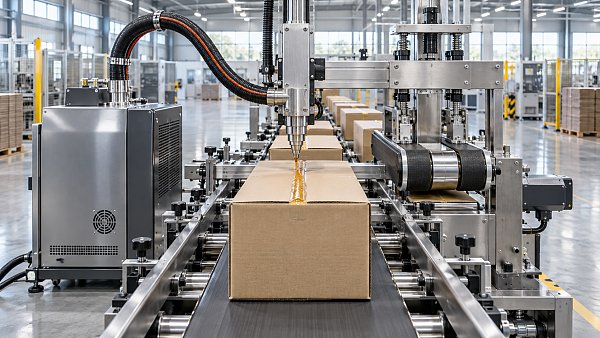
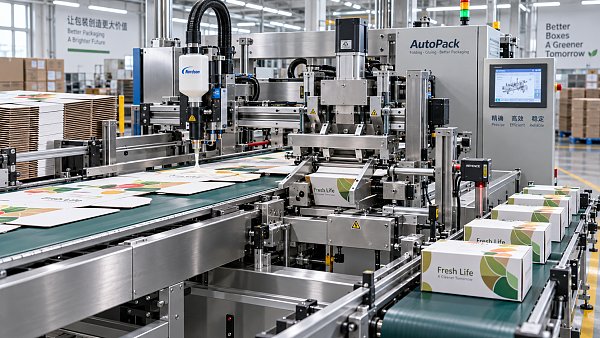
Bond failures in corrugated cartons and printed folding work usually begin long before the package reaches the compression test or filling line. They start when adhesive temperature drifts, when bead placement widens at speed, when substrate dust blocks wetting, or when machine timing shifts during a job change. A hot melt installation improves bond strength when it delivers a stable adhesive pattern to the right surface, at the right viscosity, under repeatable pressure. Waste falls at the same time because excess application, stringing, nozzle contamination, and carton rejects become easier to control.
In production, the strongest bond is rarely created by using more adhesive. It comes from matching the adhesive grade, melt profile, open time, and application geometry to the actual carton structure. A wraparound shipper, a litho-laminated display pack, and a crash-lock folding carton do not load the glue line in the same way. Corrugated board with a rough kraft outer liner absorbs energy differently from coated print surfaces, and recycled content can change fiber pull behavior at the seam. If the system is selected only by nominal line speed, the result may be acceptable during a short factory trial and unstable during mixed-order production.
Where bond strength is gained or lost
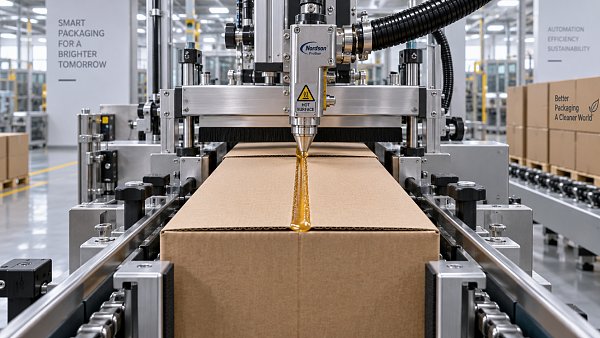
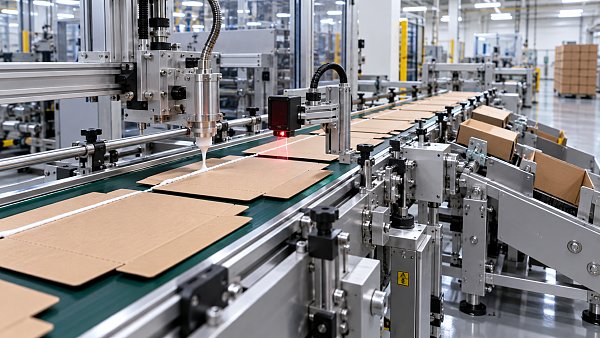
On folder gluers and end-of-line carton assembly equipment, bond strength depends on several linked conditions: adhesive temperature at the tank and hose, pressure consistency at the head, nozzle response time, substrate surface energy, compression time after application, and the distance between glue placement and final folding. Any one of these can limit the others. For example, a high-tack adhesive may still underperform if the folding section allows too little nip time for the board grade being converted. A wider bead may appear to solve pop-open issues, yet it can also create squeeze-out, contamination on belts, and unnecessary adhesive draw.
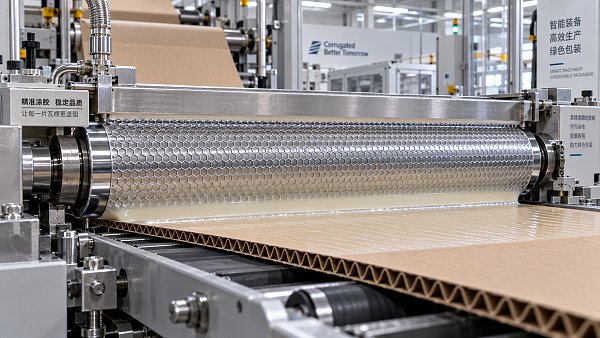
Corrugated converting adds another layer. Flute profile, warp, moisture variation, and score quality all affect whether the mating surfaces actually meet under compression. If the board springs back after folding, the glue line may be forced to carry a gap instead of joining two flat surfaces. In that situation, changing only the adhesive type can be a false fix. Mechanical alignment, folding rail setup, and pressure section stability often need correction first.
Commercial print applications introduce different risks. Coated stocks, UV-cured areas, heavy ink coverage, and varnish can reduce wetting or delay set. Glue heads may be performing correctly while the printed surface itself resists bonding. When cartons are designed with decorative finishes close to the seam, the practical question is whether the adhesive is being asked to bond paper to paper, coating to coating, or paper to a partially sealed film layer. That distinction matters more than a general claim about adhesive strength.
System design choices that affect waste
Waste linked to hot melt use is often hidden in several departments at once. It appears as adhesive char in the tank, rejects from weak side seams, cleaning labor during shift change, stops caused by clogged nozzles, and over-application added as a safety margin after earlier failures. Looking only at kilograms consumed per shift misses the larger loss mechanism.
A well-specified system usually controls waste through:
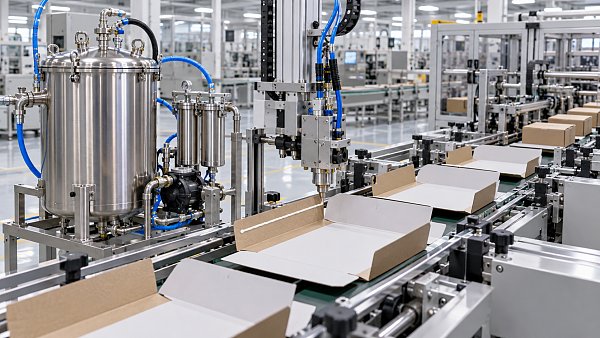
- tank design that limits long dwell time at elevated temperature, reducing thermal degradation and carbonized residue,
- heated hoses and applicators sized for the real flow range instead of peak theoretical output,
- electronic triggering with enough response speed to keep bead length stable during acceleration and deceleration,
- filters placed where contamination can be captured before reaching fine-orifice nozzles,
- application monitoring that reveals when one head begins drifting before a full batch of cartons is affected.
Thermal management deserves particular attention. If adhesive remains in the melter for long periods because the reservoir is oversized for the line’s actual consumption, oxidation risk increases. Charring then breaks loose and travels downstream, causing intermittent blockage that operators may mistake for a pneumatic or electrical fault. In many plants, this sequence leads to repeated purging and manual cleaning, which consumes adhesive and introduces more variability than the original issue.
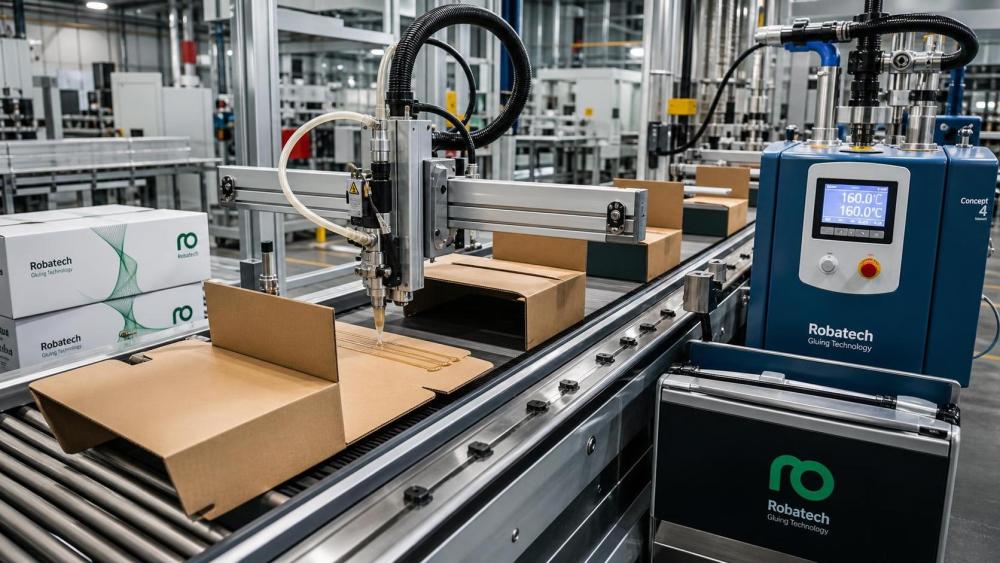
Application pattern also matters. A continuous bead is not always the lowest-waste option. Depending on seam geometry and required compression, a controlled stitch pattern may deliver enough fiber tear with less material, provided the board does not bridge across the gaps during folding. The reverse is also true: a dotted pattern selected to save adhesive can fail on warped blanks or dusty corrugated surfaces because contact is too discontinuous. Pattern choice has to follow the mechanics of the package, not a generic saving target.
Installation details that are often underestimated
Bond quality problems are frequently blamed on adhesive chemistry even when the underlying cause is installation quality. Hose routing that creates sharp bends can restrict flow or make temperature recovery uneven. Long cable runs without adequate shielding may interfere with trigger signals. In retrofit projects, mounting brackets for heads are sometimes added wherever space is available rather than where application geometry is best. That can increase the distance between nozzle and substrate, making the bead less precise and more sensitive to machine vibration.
Compressed air quality should not be treated as a secondary utility. Oil, water, or pressure instability can affect pneumatic modules and nozzle actuation. Likewise, electrical supply fluctuations may disturb heater control, especially on older converting lines where several high-load devices share the same cabinet. These are not glamorous engineering topics, but they often decide whether the glue system runs consistently over long shifts.
Startup sequencing is another common weak point. If the line reaches speed before the adhesive has stabilized across tank, hose, and head temperatures, early production may contain bonds that look acceptable externally and fail later during handling. A defined warm-up sequence with clear interlocks is more useful than relying on operator judgment about when the system “feels ready.”
Material interactions across packaging formats
In corrugated shipping cases, recycled liners and lightweight papers can make the substrate less forgiving. Surface dust, loose fibers, and variable moisture can reduce adhesion consistency from bundle to bundle. If flute crush occurs near the glue flap, bond complaints may actually reflect weakened board structure rather than poor adhesive selection. The seam holds only as well as the paper structure around it.
For folding cartons, precision becomes more important than raw adhesive volume. Narrow glue flaps, reverse folds, and high-speed transfer sections demand accurate placement with little tolerance for splash or tailing. Excess adhesive can migrate into the carton interior, mark printed surfaces, or interfere with downstream packing. In pharmaceutical-style or barcode-dependent applications, even slight squeeze-out near code areas may create rejection risk during vision inspection or scanning.
Laminated and specialty structures need extra caution. If cartons include film windows, metallized board, aqueous coating, or UV spot areas, bond testing should be done on production-representative samples rather than plain board substitutes. Laboratory strips often hide the interaction between heat history, compression timing, and real machine handling. A glue that appears clean and fast-setting on static hand tests may behave differently when blanks enter the folding section under vibration and variable registration.
Commissioning without creating new instability
During commissioning, the target should be process stability first and adhesive minimization second. Reducing bead size too early can make the trial look efficient while masking a narrow operating window. It is usually better to lock down temperature bands, trigger timing, and compression settings across several substrate combinations before trimming usage. Once the machine can hold the same seam quality through speed changes and order transitions, adhesive consumption can be adjusted with less risk.
Release risk often appears at shift handover and job change. A system may run well on a long production order and fail during short-run work because cleaning steps, purge frequency, or recipe selection are not standardized. If one carton style uses coated stock and the next uses uncoated kraft, the line should not depend on memory to restore head position, temperature setpoint, and trigger delay. Parameter management matters as much as hardware quality when production mix is diverse.
Functional trials should include awkward conditions rather than only ideal ones: lower ambient temperatures, a stop-start sequence after idle time, mixed blank bundles, and speed ramps through the normal operating range. These tests do not need dramatic claims or large sample counts to be useful. They simply expose whether the adhesive system can recover cleanly when the line behaves like a real factory line rather than a showroom demonstration.
Maintenance discipline and fault interpretation
Maintenance problems become expensive when symptoms are interpreted too quickly. A weak bond at one side seam might suggest low temperature, but it could also result from partial nozzle restriction, inconsistent carton squareness, worn compression belts, or timing drift in the feeder. Replacing adhesive grade without confirming the fault path can add cost and complexity while the original issue remains.
Good maintenance practice centers on inspection points that are simple but specific: nozzle condition under magnification, hose exterior temperature consistency, filter contamination trend, tank residue appearance, trigger timing verification against line speed, and actual bead position on the blank. Residue color and texture can be especially informative. Brittle dark particles may indicate overheating or excessive dwell time, while stringing with otherwise clean adhesive may point to temperature being too high at the head or nozzle-to-substrate distance being excessive.
Spare parts planning should focus on wear and contamination exposure rather than catalog completeness. Keeping the right seals, filters, nozzles, and sensor components close to the line can shorten recovery from minor faults. At the same time, frequent emergency replacement of the same item usually signals a system-level problem such as poor adhesive housekeeping, unstable utilities, or an operating window that is too narrow for the product mix.
Evaluating upgrade value in practical terms
When an existing line suffers from seam failures or visible glue waste, the decision is rarely between “keep everything” and “replace everything.” Sometimes the largest gain comes from a targeted retrofit: faster applicator heads, improved hose heating control, head repositioning, or better pattern control integrated with line speed signals. In other cases, the older melter architecture or control interface may make repeatability too difficult, especially where frequent job changes and traceability expectations have increased.
The useful comparison is not a simple purchase-price contrast. It should consider whether the proposed setup can hold bond quality across substrate variation, idle-restart cycles, and normal production speed changes without relying on constant manual correction. If it cannot, adhesive savings shown during a controlled trial may disappear on the factory floor.
Strong bonds and lower waste usually come from disciplined control of heat, timing, placement, pressure, and substrate contact. When those conditions are aligned, hot melt becomes a stable joining process instead of a recurring source of rework and hidden consumption.