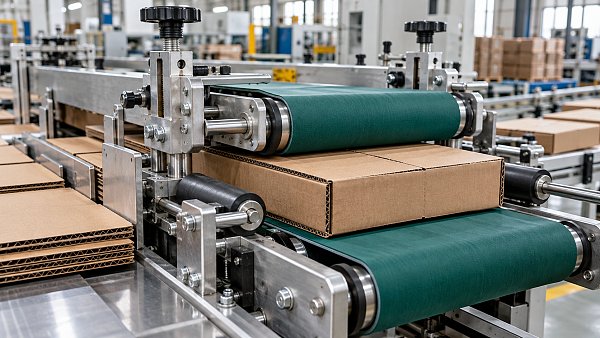
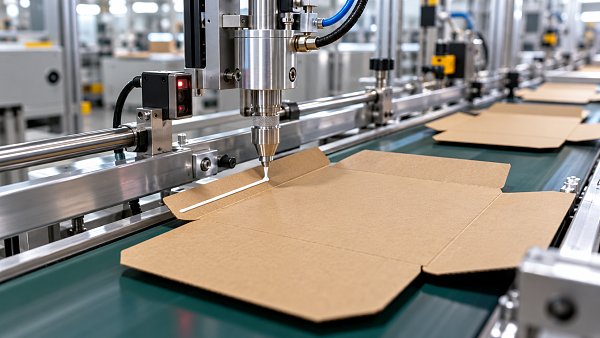
A clogged precision glue nozzle can turn a stable packaging run into missed glue lines, weak bonds, and unplanned downtime on folder gluers.
The most effective prevention combines clean adhesive, suitable filtration, correct operating conditions, and shutdown procedures matched to the adhesive chemistry and dispensing equipment.
For operators, the priority is identifying whether deposits come from dried adhesive, overheated material, contamination, or premature curing before adjusting settings or cleaning components.
This guide explains what to check before startup, during production, and between shifts to keep glue application consistent and reduce avoidable interruptions on packaging lines.
Always follow the equipment manual, adhesive technical data sheet, and site safety procedures; nozzle care differs significantly between water-based, conventional hot-melt, and reactive adhesives.
What Actually Causes a Precision Glue Nozzle to Clog?
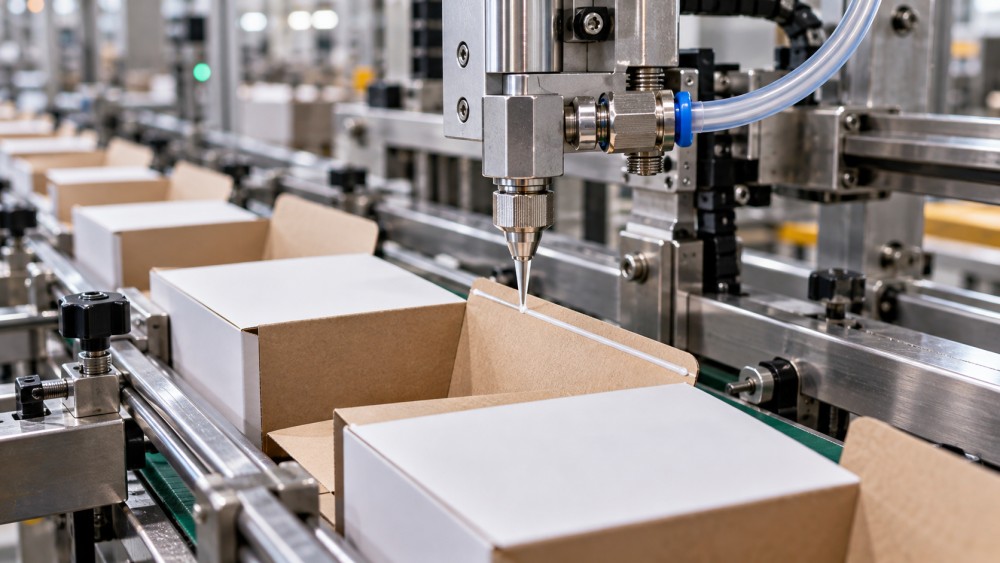
Most recurring blockages begin upstream or during idle periods. Replacing the nozzle may restore flow briefly without removing the condition that created the deposit.
Water-based adhesives can form skins when exposed to air. Dried residue around the outlet may also deflect the stream before the nozzle becomes fully blocked.
Conventional hot-melt adhesives can develop char or degraded deposits after excessive heat exposure or prolonged residence time. Those particles may eventually reach the nozzle.
Reactive hot melts, including moisture-curing polyurethane formulations, require additional care because moisture exposure can initiate curing inside components that ordinary heating cannot reliably clear.
Paper dust, tank debris, incompatible adhesive mixtures, and contaminated refill containers create another route to blockage, even when temperature and dispensing settings remain correct.
Distinguishing these causes matters: a cleaning method suitable for dried water-based glue may damage equipment or introduce moisture into a reactive adhesive system.
Before Startup: Check the Adhesive Supply and Filters
Confirm the adhesive grade against the job specification and approved machine setup. Similar-looking products can differ in viscosity, solids content, temperature requirements, and cleaning compatibility.
Check storage conditions, shelf life, and any required conditioning before use. Cold adhesive may flow poorly, while improperly stored material may already contain skins or lumps.
Keep supply containers covered using the approved arrangement. For moisture-sensitive adhesives, maintain the specified sealed feed system and protective measures throughout handling and refilling.
Use dedicated, clean transfer tools and prevent paper dust from entering open containers. Never return scraped residue or questionable leftover adhesive to the supply.
Inspect filters at the tank, pump, or applicator locations specified by the manufacturer. A loaded filter can restrict supply and produce symptoms resembling nozzle blockage.
Select filter ratings from equipment and adhesive guidance. Finer filtration is not automatically better: excessive restriction can reduce flow, overload components, or disrupt dispensing consistency.
Where pressure monitoring is provided, compare readings under similar operating conditions. A rising pressure difference across a filter can indicate increasing restriction that needs attention.
After filter service, verify correct installation, seals, and leak-free operation. Follow the approved priming procedure before checking the glue pattern on a test carton.
Set Temperature and Flow Without Creating New Problems
For heated systems, check the specified settings for each zone, including the tank, hose, and applicator. Uneven heating can create local restrictions or degradation.
Allow the full system to reach its required operating condition before production. A ready indication at the tank does not necessarily confirm complete downstream warmup.
Do not increase temperature automatically when flow weakens. First check adhesive supply, filter condition, actual temperature readings, and any equipment alarms or heater faults.
Excessive heat may temporarily improve flow while accelerating adhesive breakdown. Use only the adhesive supplier’s recommended processing range and the equipment manufacturer’s permitted settings.
For water-based systems, changing ambient or adhesive temperature can affect viscosity. Record conditions when seasonal changes cause recurring startup or glue-pattern problems on the line.
Set dispensing pressure and valve timing from the validated job recipe. Excessive pressure can increase splashing, leakage, or application variation without correcting the underlying restriction.
If the required glue volume exceeds the nozzle’s practical capacity, review nozzle sizing with technical support. Persistent operation at extreme settings suggests a setup mismatch.
During Production: Watch the Glue Pattern Before It Fails
A partial blockage often appears first as a thinner bead, sideways jet, intermittent dot, or changing glue position. Inspect patterns before weak bonds accumulate.
Compare the actual application with an approved reference sample at startup, after changeovers, and at defined intervals. Include checks following refilling or extended stops.
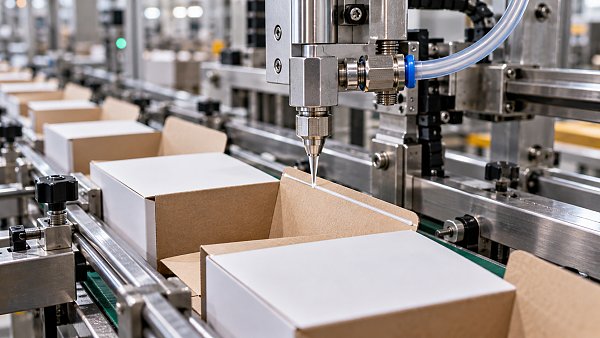
Keep the specified nozzle-to-substrate distance and alignment. Contact with carton surfaces can transfer fibers onto the outlet, while poor positioning can encourage external buildup.
Check surrounding guides and carton travel when deposits recur on one applicator. Board flutter or a misaligned flap may repeatedly touch an otherwise serviceable nozzle.
Use the following symptoms to narrow the investigation. They suggest likely causes, but confirmation still requires inspection and comparison with the machine’s normal operating behavior.
Where glue inspection is installed, use missing-glue and pattern alarms to identify trends. Verify sensor performance because some systems detect presence without confirming sufficient adhesive quantity.
Handle Short Stops and Shutdowns According to Adhesive Type
Idle periods often expose weaknesses in nozzle care. A system that runs reliably at speed may develop deposits when adhesive remains stationary or exposed.
For water-based adhesives, use the manufacturer-approved tip protection or sealing method during pauses. Keep any wetting material outside the flow path unless instructions specify otherwise.
Do not assume every water-based formulation can remain in the machine overnight. Follow its permitted dwell time and the equipment’s cleaning or preservation procedure.
For conventional hot melts, use approved standby settings when appropriate. Lowering temperature may reduce thermal exposure, but unsuitable settings can delay restart or impair flow.
Avoid repeated unplanned temperature changes throughout the shift. Establish a documented response for brief interruptions, longer stops, and full shutdowns based on supplier guidance.
Reactive hot-melt systems require their specified moisture protection and shutdown routine. Use only approved purging materials, and respect any limits on idle time before cleaning.
At restart, confirm stable temperature and flow using the designated test or purge procedure. Release cartons only after the application pattern and bond checks pass.
Clean a Blocked Nozzle Safely and Protect Its Accuracy
When flow becomes unreliable, stop releasing affected cartons and follow the site’s product-hold procedure. Identify potentially affected production from the last confirmed acceptable check.
Before opening or removing components, follow required isolation, pressure relief, and cooling procedures. Heated adhesive and trapped pressure can remain hazardous after the machine stops.
Use the cleaning method approved for both the adhesive and nozzle materials. Water, solvents, and proprietary cleaners are not interchangeable across dispensing systems or formulations.
Never force drills, steel wire, or unapproved needles through a precision orifice. Scratching or enlarging the opening can permanently change bead shape and dispensing accuracy.
If the manufacturer supplies a cleaning pin, use the specified size and technique. Avoid pushing loosened contamination farther into the valve or adhesive passage.
Inspect the removed nozzle for damaged threads, distorted seating surfaces, worn openings, and persistent deposits. Replace parts that cannot be restored through the approved process.
Reassemble with the specified seals, orientation, and tightening method. Overtightening can damage components, while incorrect seating may create leaks or interfere with reliable operation.
After restart, verify glue placement, applied quantity where measurable, and bond performance after the specified setting time. A restored stream alone does not confirm acceptable cartons.
Build a Routine That Prevents Repeat Blockages
Set inspection frequency around adhesive behavior, production hours, dust exposure, and blockage history. A fixed calendar interval may miss problems on heavily used equipment.
At shift start, verify the correct adhesive, supply condition, filter status, operating settings, and a satisfactory test pattern. Record exceptions before increasing production speed.
During the shift, inspect nozzle surroundings and review glue alarms. Clean external buildup only through the approved safe procedure, with the equipment in its required state.
At handover, record unusual stops, refills, cleaning work, and changes in glue appearance. These details help the next operator distinguish recurring faults from new problems.
Keep approved replacement nozzles and service parts available. A verified clean spare can shorten downtime while the removed component receives proper inspection and cleaning.
For repeated failures, log the applicator position, adhesive batch, time since startup, operating conditions, and material found. Patterns often reveal the source more clearly than recollection.
Track blockage-related stops alongside missing-glue rejects and bond-test results. Successful prevention should improve both uptime and carton quality, without requiring progressively higher pressure or temperature.
Keep Glue Flow Stable by Controlling the Cause
Preventing a precision glue nozzle from clogging depends on clean material handling, suitable filtration, stable operating conditions, and adhesive-specific care during every production stop.
Start with the symptom, check the shared supply or individual applicator as appropriate, and correct the source before changing settings. Repeated blockage deserves a documented investigation.
A practical operator routine ends with verified glue application and satisfactory bonding. Consistent checks protect production time while helping every carton meet its intended performance requirements.