How to Fix Weak Glue Bonds on Carton Folder Gluers at High Speeds
How to Fix Weak Glue Bonds on Carton Folder Gluers at High Speeds
Weak glue bonds on Carton Folder Gluers can turn a high-speed run into rejected cartons, repeated stops, and costly rework. If seams hold at low speed but open as output increases, the problem may involve adhesive selection, glue placement, board surface conditions, or insufficient compression time—not simply too little glue.
The useful question is not “How much more glue do we need?” It is “What changes when the machine accelerates?” Adhesive delivery, blank tracking, folding accuracy, and time under pressure can all change. A sound correction starts by identifying where the bond fails, then testing one adjustment at a time.
Read the failed seam before changing settings
Reduce speed to a controlled operating point and segregate suspect production under the plant’s quality procedure. Keep samples from the last acceptable speed and the speed where failures begin. Mark their speed, board batch, adhesive batch, and collection time. Compare them after the same elapsed time; a freshly glued carton and one that has rested are not equivalent samples.
Open the seams and inspect both mating surfaces. The failure pattern narrows the search:
- Glue remains mainly on one surface: investigate poor wetting, contamination, incompatible coating, or failure to bring the surfaces together while the adhesive is workable.
- The adhesive film splits and looks wet: investigate insufficient early strength, excessive application, or inadequate compression time. Confirm again after the specified conditioning period.
- There are dry gaps along the glue line: check interrupted delivery, nozzle blockage, trigger timing, and blank position.
- Failure is concentrated at the leading or trailing end: check application start and stop positions, flap alignment, and local compression support.
- Paper fibers tear: the bond has exceeded the local paper strength in that test. This is useful evidence, but not automatic proof that the carton meets its service requirements.
Do not assume every opening seam is an adhesive failure. A stiff crease or misaligned flap can pull against a developing bond. If the carton springs open immediately after leaving compression, watch the folding path and crease behavior as closely as the glue system.
High speed changes the bonding window
Two intervals matter: the time from adhesive application to flap contact, and the time the closed seam stays under effective pressure. They are related to machine layout and transport speed, but they do different jobs.
With a fixed compression length, increasing belt speed reduces residence time. As an illustrative calculation, a two-meter effective compression path at 200 meters per minute gives about 0.6 seconds under pressure. At 300 meters per minute, it gives about 0.4 seconds. These are not recommended settings; they show why a seam that survives one speed may release at another.
Use the actual effective path and belt speed, not simply rated output in cartons per hour. Delivery accumulation or shingling can change how long cartons remain restrained. A section only contributes useful bonding time if it keeps the mating surfaces in contact.
Higher speed also shortens the application-to-contact interval. That may help prevent premature drying, but it cannot compensate for poor wetting or a flap that misses the glue line. Avoid treating every speed-related failure as “glue drying too fast.”
Check glue placement at the speed where it fails
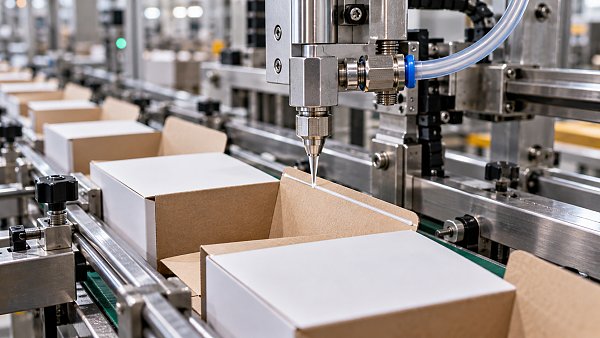
A clean glue line during a slow setup does not prove that application remains correct at production speed. On electronically triggered systems, check the blank sensor, encoder feedback, trigger compensation, and valve response. A misplaced bead can result from timing or sheet tracking rather than inadequate flow.
Inspect collected blanks using the machine’s approved sampling procedure. Stop and isolate the equipment before cleaning nozzles, touching belts, or adjusting components inside guarded areas. Never reach into a running folding section to obtain a sample.
Look for the actual bonded overlap: does the adhesive land where the opposing panel will contact it? Check for skew, bead wandering, missing ends, and glue squeezed beyond the seam. Fold an unglued blank by hand to confirm the overlap geometry, while recognizing that this does not reproduce dynamic machine folding.
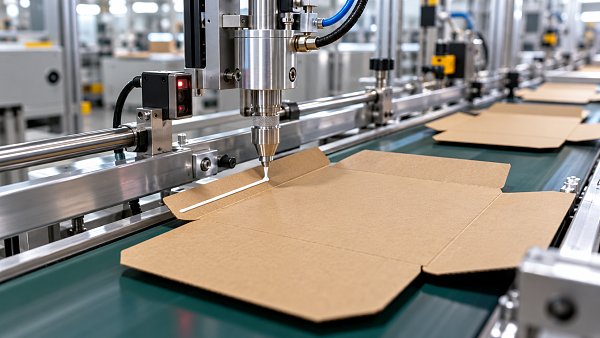
For nozzle systems, examine filters, nozzle condition, supply pressure stability, and possible air entrainment. For wheel application, check wheel cleanliness, metering, contact, and glue film consistency. Use the equipment supplier’s procedures rather than compensating for a partially blocked system with higher pressure.
Increasing glue quantity is justified when the seam is genuinely starved. It is a poor first response to clean interfacial separation or flap misalignment. Excess water-based adhesive may need longer to develop strength, while either cold glue or hot melt can squeeze out and contaminate belts when overapplied.
Match the adhesive to the actual bonding surfaces
Confirm the adhesive grade before adjusting the machine around it. A water-based adhesive suitable for absorbent paper may perform differently on a varnished, laminated, or heavily coated glue flap. Corrugated liners and folding carton boards also differ in absorbency and surface strength.
Inspect both sides of the joint. The receiving panel may carry coating even when the glue flap appears uncoated. Check whether artwork or finishing has entered a designated glue area, and compare suspect blanks with approved samples. Dust from die-cutting, surface contamination, and changes in board moisture can also affect bonding.
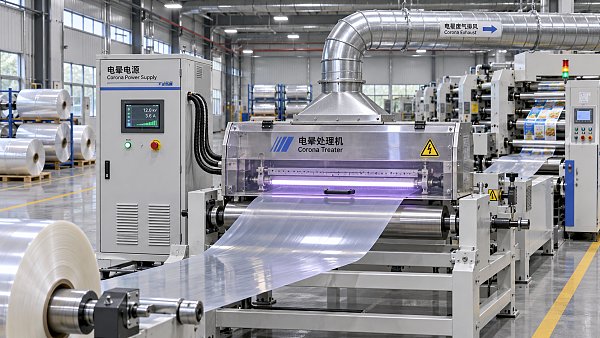
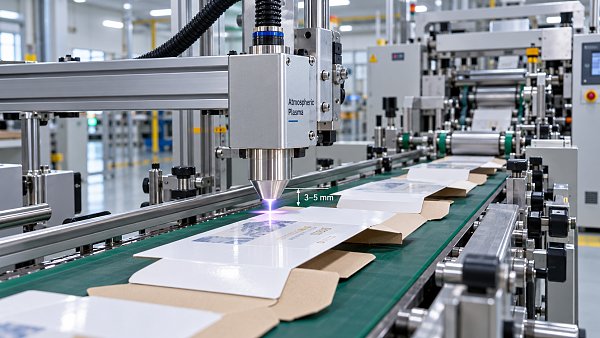
If the design specifies a coating-free glue area, verify that production has preserved it. Mechanical surface preparation may help in some applications, but it needs validation: aggressive treatment can weaken the board, create dust, or damage appearance. It is not a universal substitute for an appropriate adhesive.
Cold glue and hot melt require different checks
For water-based cold glue, review the supplier’s requirements for viscosity, application temperature, storage, substrate compatibility, and setting behavior. Measure viscosity using the specified method and temperature; results from different methods are not directly interchangeable. Do not add water simply to make the glue flow more easily unless the supplier permits it.
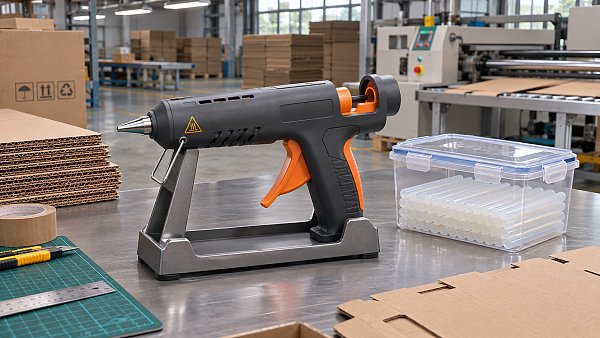
For hot melt, check the approved operating temperatures throughout the tank, hose, and gun system. Temperature affects flow and working time, but raising it is not a universal repair. Excess temperature can degrade the adhesive; insufficient temperature can impair application and wetting. Follow the supplier’s limits and burn-protection procedures.
When asking an adhesive supplier for help, provide the actual board and coating, application method, failure samples, application-to-contact interval, and effective compression time. “We need a faster glue” leaves too many variables unresolved. Early holding strength and final bond strength are different requirements.
Correct folding and compression without crushing the carton
Follow the seam through the folding section. A flap may touch the adhesive briefly, shift sideways, then enter compression outside its intended position. Increasing pressure downstream will not reliably repair that sequence.
Check guides, folding belts, carriers, and pre-breaking settings against the carton format. Look for blank skew, inconsistent crease folding, and spring-back. If defects repeat at a regular interval, inspect rotating components and belt condition rather than assuming a random glue problem.
In compression, confirm that belts or rollers support the bonded region and hold it consistently. Check for contamination, wear, uneven loading, or a setup that presses the carton body but misses the seam. More pressure is not always better: corrugated board can lose caliper, and folding cartons can develop marks or distortion.
If alignment and pressure are correct but the seam releases while the adhesive is still developing strength, consider available compression-path adjustments, a compatible faster-setting adhesive, or a lower validated speed. The machine’s maximum transport speed is not necessarily the sustainable speed for every board-and-adhesive combination.
Prove the correction before releasing the run
Change one variable at a time and record it. Increasing glue flow, tightening compression, and reducing speed together may produce acceptable cartons, but it does not reveal which change solved the problem—or whether unnecessary glue and pressure remain.
Run a controlled speed increase using the plant’s sampling plan. Inspect cartons immediately after delivery and again after the adhesive’s specified conditioning period. Where required, include erection, filling, or handling checks that represent the carton’s intended use. A hand-peel test is useful for diagnosis, but should not replace agreed acceptance criteria.
Include stop-and-restart conditions. Nozzle deposits, adhesive temperature changes, and altered delivery accumulation can produce failures that a steady-running trial misses. Glue-presence inspection can detect a missing bead, but it does not prove wetting, correct overlap, or bond strength.
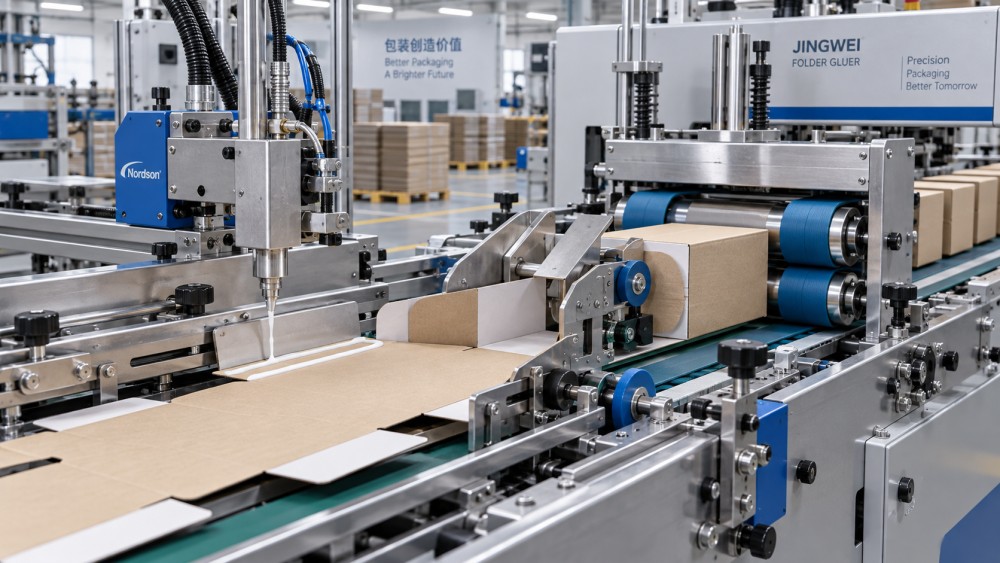
CPCS’s practical focus on converting systems is useful here: assess the folder gluer, substrate, adhesive delivery, inspection, and downstream handling as one process. Track acceptable cartons produced, waste, and stops—not just the speed displayed on the machine.
Before returning to full production, save the validated setup with its board specification, adhesive grade, glue pattern, compression settings, and acceptable speed. If the seam still fails, send labeled samples and the trial record to the relevant suppliers. Keep production at the highest speed that passes the agreed checks, rather than relying on cartons that only look closed.
Related News
 How to Prevent Clogs in a High Temperature Hot Melt Glue GunPrevent high temperature hot melt glue gun clogs with practical tips on adhesive selection, safe cleaning, and maintenance to keep work flowing.Spatial Folding Strategist
 What Factors Affect the Price of a Corona Treater?Discover what affects corona treater price, from treatment width and power to installation costs. Compare quotes and choose the right system for your production line.Spatial Folding Strategist
 What to Ask a Plasma Treater Manufacturer About Surface AdhesionChoosing a plasma treater manufacturer? Ask these essential questions about adhesion testing, line integration, maintenance, and production reliability before you buy.Spatial Folding Strategist
 How to Prevent Clogging in a Precision Glue Nozzle During ProductionPrevent precision glue nozzle clogs with proven filtration, cleaning, and shutdown practices. Discover practical steps to reduce downtime and keep packaging bonds strong.Spatial Folding Strategist
 How to Adjust Compression Sections to Prevent Carton Seams OpeningAdjust Compression Sections to prevent carton seams from opening. Learn how to balance pressure, dwell time, and alignment for stronger bonds, less board damage, and fewer rejects.Spatial Folding Strategist
 How a Precision Adhesive Application System Reduces Glue WasteDiscover how a precision adhesive application system can reduce glue waste, protect bond strength, and lower packaging costs. Explore practical controls and ROI checks before you invest.Spatial Folding Strategist