How Window Patching Machines Apply Film to Folding Carton Windows
How Window Patching Machines Apply Film to Folding Carton Windows
A clear carton window helps shoppers see the product inside, but applying that film consistently requires precise control. Window Patching Machines typically feed die-cut carton blanks, apply adhesive around each window opening, cut film to size, and position the patch before pressing it into place. Understanding this sequence reveals why sheet registration, film tension, adhesive compatibility, and changeover settings matter to finished carton quality.
The process looks straightforward when a machine is running well. Yet a slightly skewed blank, an unstable film roll, or a poorly matched adhesive can turn a clean window into a source of rejects. The useful question is not simply how the machine attaches plastic to paperboard. It is how the machine keeps two different materials aligned and bonded while both move through production.
The window is already cut before patching begins
In a typical folding carton workflow, printing and die-cutting come before window patching. The die-cutter creates the carton outline, crease lines, and window opening; stripping removes the unwanted material. The patching machine receives flat blanks and usually bonds film to the inside face. Folding and gluing then turn those patched blanks into cartons.
The film patch is larger than the visible opening. This overlap provides a bonding area on the surrounding paperboard, while the center remains clear. Its dimensions must accommodate positioning variation without interfering with folds, glue flaps, or other carton features. A patch that barely covers the aperture may look acceptable in a stationary sample but leave too little tolerance for production.
Standard machines often cut rectangular patches from roll-fed film, even when the visible window is curved or irregular. The aperture defines what shoppers see; the hidden patch does not necessarily follow its outline. Windows that cross a carton corner may require film creasing, special cutting, or other equipment capabilities rather than ordinary flat patching.
From carton feeding to film placement
Feeding establishes the reference position
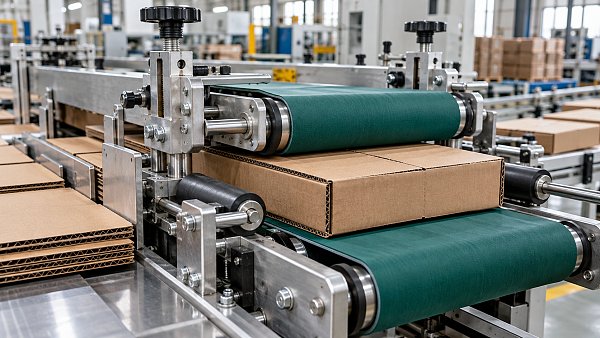
The feeder separates blanks from a stack and introduces them into a controlled transport path. Depending on the design, suction, belts, guides, or combinations of these components manage separation and movement. The purpose is to present each blank at a repeatable position and timing, not merely to move it forward.
Board curl, die-cutting dust, inconsistent stack preparation, and damaged edges can disturb feeding. Large openings also reduce the stiffness of some blanks, making them harder to transport without distortion. If registration is unstable here, adjusting the film position downstream may only hide the problem temporarily.
Adhesive is deposited around the aperture
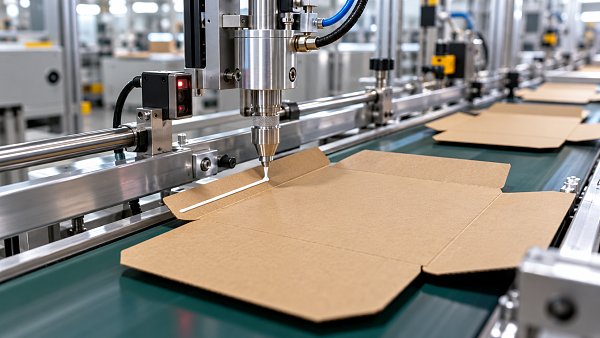
Many window patchers use a patterned glue plate or roller arrangement to transfer adhesive onto the paperboard surrounding the window. Other application configurations exist, so the exact mechanism should be checked against the machine design. In each case, the objective is a controlled adhesive pattern with enough coverage to hold the film without spreading into the viewing area.
Too little adhesive can leave weak sections along the patch edge. Too much can squeeze into the aperture, contaminate transport components, or cause blanks to stick together. Glue viscosity, application thickness, plate condition, and alignment all influence the result. Increasing glue volume is therefore not a reliable cure for every bonding fault.
Film is unwound, measured, and cut
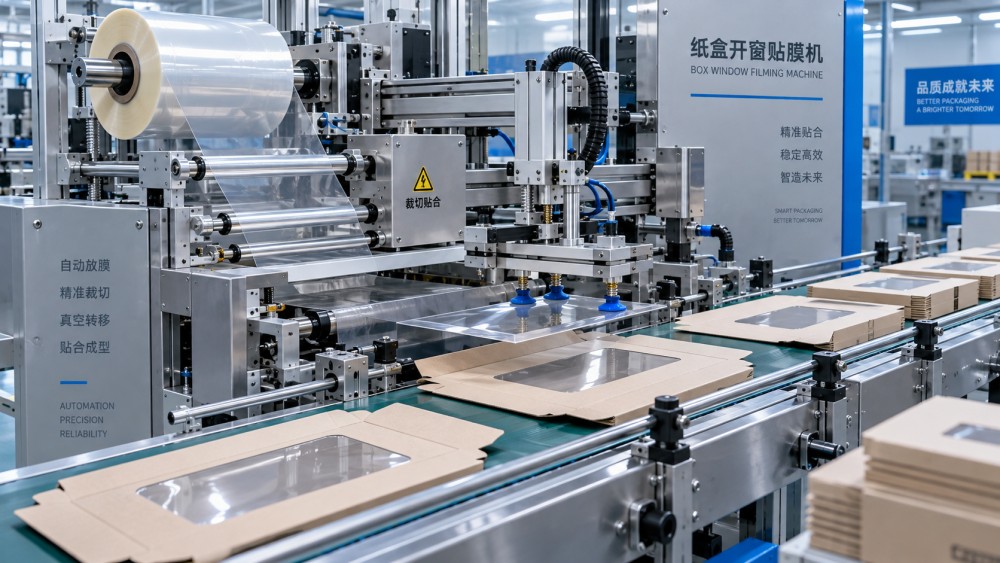
Film travels from an unwind roll through a guided feed system. Roll width generally determines one patch dimension, while the feed length and cutting mechanism determine the other. Tension must be sufficient to keep the web controlled but not so high that it stretches or distorts. Uneven winding, roll movement, and static can make a thin film difficult to handle consistently.
The cutting cycle is synchronized with carton movement. Some machines use mechanically linked timing; others offer servo-controlled functions. Neither description alone proves better performance. What matters is whether the system maintains cut length and placement through the intended speed range, including acceleration and restart conditions.
The patch transfers onto the glued blank
A transfer mechanism, often using vacuum, holds the cut film and delivers it to the adhesive-coated area. Its timing must match the blank’s position so that the patch covers the opening with adequate overlap on every side. Controlled contact then seats the film against the glue pattern.
Pressing establishes contact; it does not necessarily mean the adhesive has reached its final strength. With water-based systems, moisture still needs to leave the bond area. Delivery and stacking conditions must allow the patch to remain undisturbed while the bond develops. Aggressive handling immediately after application can expose a weakness that was not visible at the transfer point.
Film and adhesive must work as a pair
Clear appearance is only one film requirement. Stiffness, thickness, dimensional stability, surface condition, and handling behavior affect whether a patch feeds cleanly and stays bonded. PET and polypropylene-based films are among the materials used for carton windows, but they should not be treated as interchangeable. The chosen grade and any surface treatment matter as much as the polymer name.
Paperboard creates another variable. An uncoated bonding surface behaves differently from a coated, varnished, or otherwise treated one. Adhesive selection should therefore consider the actual board surface and film grade, along with application conditions and the required bond performance. A glue that works on one carton specification may perform poorly after a seemingly minor material substitution.
For food packaging, intended contact conditions and destination-market requirements need separate review. A successful patching trial does not establish food-contact suitability. Likewise, a cellulose-based or other alternative film is not automatically compatible with an existing machine or local recycling system. Material claims need documentation and testing appropriate to the finished package.
What common defects reveal about the process
Troubleshooting is more effective when operators distinguish placement faults from bonding faults. Both can appear as a lifted corner, but they require different corrections.
- A patch shifted consistently in one direction: Check registration references, transfer timing, and patch dimensions. A repeatable offset often points to setup rather than random feeding disturbance.
- Placement that varies from blank to blank: Investigate sheet separation, skew, belt condition, film feed stability, and vacuum transfer. Adjusting a fixed offset will not eliminate variation.
- Wrinkles or film distortion: Examine web tension, roll quality, transfer contact, and static. Also check whether the film lies flat before it reaches the bonding station.
- Clear film with weak edge adhesion: Review glue coverage, surface compatibility, contamination, and the time allowed for bond development. Visual clarity alone says little about bond strength.
- Glue visible inside the window: Check the glue pattern, application amount, alignment, and contact pressure before changing adhesive chemistry.
One useful diagnostic step is to inspect blanks at successive stages. If the glue pattern is already misplaced before film transfer, the film station is not the primary cause. If both components arrive correctly but shift during contact, attention should move to transfer and pressing conditions.
Why rated speed does not describe usable output
A machine’s stated maximum speed does not establish the stable production rate for every carton. Blank geometry, board condition, film behavior, adhesive requirements, and patch size all affect the workable operating range. A relatively stiff blank with a simple window can behave differently from a lightweight carton with a large aperture, even on the same equipment.
Short runs introduce a different constraint: changeover. Operators may need to adjust guides, glue tooling, film width, cut length, transfer timing, and delivery settings. Stored recipes can help reproduce settings, but they do not replace physical checks of tooling, materials, and first-off samples. Setup waste should be considered alongside rejects generated during steady running.
Maintenance also shows up as quality variation. Dirty vacuum passages can weaken film control; worn cutting components can produce poor edges; adhesive buildup can disrupt transfer and contaminate blanks. These are practical reasons to assess cleaning access, consumable replacement, and operator workload rather than comparing speed figures alone.
Confirm quality beyond the delivery stack
Inspection should cover patch presence, position, wrinkles, contamination, and edge bonding. Vision systems can help detect visible defects when configured for the actual carton and transparent film. However, camera inspection cannot by itself establish adhesive strength. Physical bond checks remain necessary, using an agreed method and a defined interval after application.
A patched blank should also be folded and erected. Film near a crease may resist folding or lift under bending stress. A patch that lies flat in the delivery pile can still cause problems in the folder gluer or during packing. Where transport or storage conditions could affect adhesion, evaluation should reflect those conditions rather than stopping at an immediate appearance check.
This whole-process view fits the focus of Global Commercial Print & Corrugated Packaging Intelligence (CPCS): explaining how converting equipment connects with upstream material quality, downstream finishing, inspection, and factory operating costs. Window patching is one station, but its useful output depends on the surrounding production system.
Before comparing Window Patching Machines, assemble representative die-cut blanks, the proposed film specification, and the intended adhesive. Define acceptable placement, bonding, appearance, and folding performance, then evaluate samples at a realistic running condition. That provides a firmer basis for understanding machine capability than a clean demonstration sample or a maximum-speed claim.
Related News
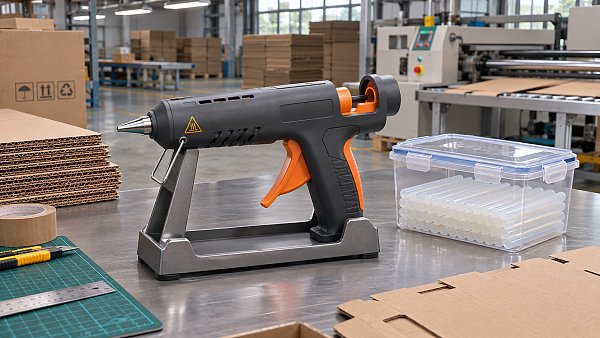
 How to Prevent Clogs in a High Temperature Hot Melt Glue GunPrevent high temperature hot melt glue gun clogs with practical tips on adhesive selection, safe cleaning, and maintenance to keep work flowing.Spatial Folding Strategist
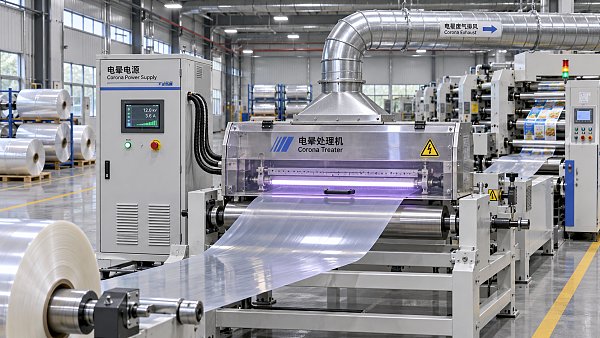
 What Factors Affect the Price of a Corona Treater?Discover what affects corona treater price, from treatment width and power to installation costs. Compare quotes and choose the right system for your production line.Spatial Folding Strategist
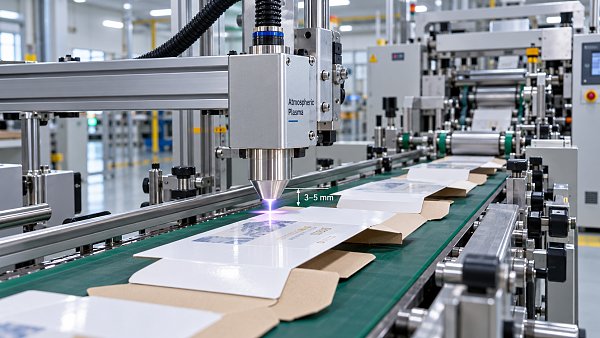
 What to Ask a Plasma Treater Manufacturer About Surface AdhesionChoosing a plasma treater manufacturer? Ask these essential questions about adhesion testing, line integration, maintenance, and production reliability before you buy.Spatial Folding Strategist
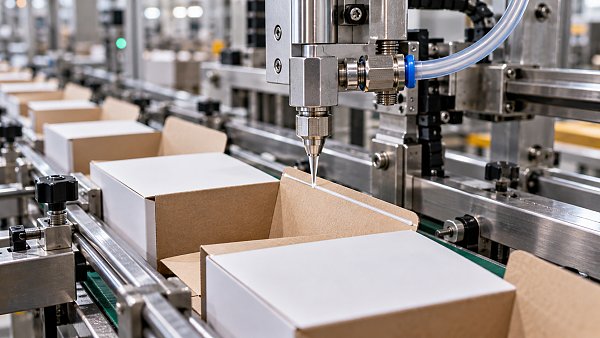
 How to Prevent Clogging in a Precision Glue Nozzle During ProductionPrevent precision glue nozzle clogs with proven filtration, cleaning, and shutdown practices. Discover practical steps to reduce downtime and keep packaging bonds strong.Spatial Folding Strategist
 How to Adjust Compression Sections to Prevent Carton Seams OpeningAdjust Compression Sections to prevent carton seams from opening. Learn how to balance pressure, dwell time, and alignment for stronger bonds, less board damage, and fewer rejects.Spatial Folding Strategist
 How a Precision Adhesive Application System Reduces Glue WasteDiscover how a precision adhesive application system can reduce glue waste, protect bond strength, and lower packaging costs. Explore practical controls and ROI checks before you invest.Spatial Folding Strategist