How Glue Machine Price Varies by Output, Adhesive Type and Automation
When a packaging plant compares two glue machines that appear to perform the same basic task, the quoted investment can differ sharply. One unit may be suited to a manually fed short-run operation, while another is built for continuous high-speed carton production with automatic setup, monitored adhesive delivery, and line integration. The difference is not simply a supplier’s pricing policy. Glue machine price is primarily driven by required output, adhesive type, application precision, and the degree of automation around the gluing process.
This matters when a buyer is trying to solve a real production problem: rising labor demand at a folding station, inconsistent glue seams, missed adhesive on variable-size cartons, or a converting line that cannot keep pace with printing and die-cutting. A low initial machine price can look attractive until manual adjustment, adhesive waste, cleaning time, and rejected cartons begin to affect operating cost. The practical question is not “What is the cheapest glue machine?” but “What level of machine is justified by the work it must reliably complete?”
Start with the production task, not the machine label
“Glue machine” can describe several different systems. In corrugated and commercial printing environments, it may refer to a simple cold-glue applicator, a carton side-seam gluing unit, a folder-gluer module, a hot-melt dispensing system, a window patching adhesive station, or a purpose-built gluing cell connected to feeding, folding, inspection, and discharge equipment.
Before comparing quotes, define what the machine must do at the point where adhesive is applied:
- Bond corrugated board, trays, shipping cases, or folding cartons
- Apply glue as a continuous line, dot pattern, spray, bead, stripe, or controlled area coating
- Run water-based cold glue, starch-based adhesive, hot melt, pressure-sensitive adhesive, or another specified formulation
- Handle one stable blank format or frequent changes in board grade, carton size, and fold geometry
- Operate as a stand-alone station or match the speed and control logic of an existing converting line
A small manual or semi-automatic system can be appropriate where output is limited, operators handle varied formats, and adhesive placement is forgiving. That same machine becomes costly in a high-volume operation if it forces frequent stops or requires an operator to correct application settings throughout the shift. Conversely, purchasing a highly automated gluing line for irregular low-volume work may create unnecessary capital cost and setup complexity.
Output capacity changes more than the motor size
Throughput is often the first factor behind glue machine price, but it should be interpreted carefully. Buyers should not compare only a stated maximum speed. The useful measure is whether the equipment can sustain the required output with the actual carton design, adhesive, substrate condition, and changeover pattern.
At lower output levels, a basic machine may use manual feeding, simple mechanical adjustments, a conventional glue wheel or nozzle, and operator-controlled start and stop functions. Its structure is comparatively simple. The investment rises when the system needs stable material transport, synchronized application, accurate timing, and controlled discharge at higher speeds.
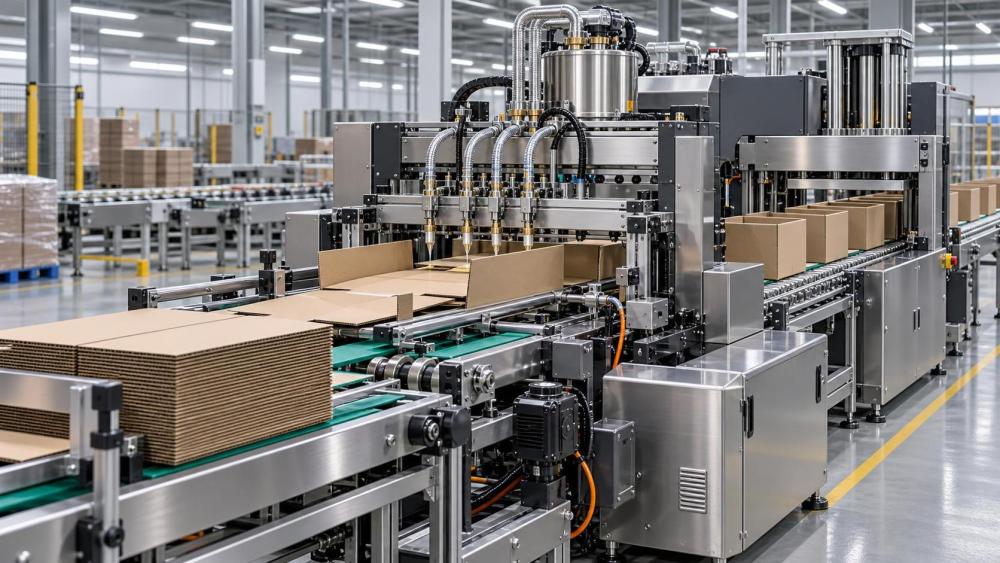
High-output equipment often requires stronger and more precise components: servo-driven transport sections, vacuum or belt feeding systems, synchronized folding guides, glue timing controls, closed-loop speed coordination, and delivery sections designed to avoid compression or smear before the adhesive sets. These elements are not cosmetic upgrades. They address the recurring problems that appear as speed increases: skewed blanks, incomplete seams, glue stringing, adhesive splashing, misaligned folds, and jams at the transfer point.
A useful capacity discussion should include the following operating conditions:
Buyers should also distinguish between a machine’s mechanical speed and its practical production speed. A system may be capable of fast conveying, yet the usable rate can be limited by adhesive open time, board absorption, carton geometry, folding accuracy, or the time required for quality checks. Pricing based on an unrealistic speed target can lead to either over-specification or a machine that does not solve the intended bottleneck.
Adhesive type can reshape the machine configuration
The adhesive itself is a major cost driver because different glues behave differently in storage, pumping, metering, heating, cleaning, and application. A buyer who specifies only “glue machine” without identifying the adhesive system may receive proposals that are not directly comparable.
Water-based and cold-glue systems
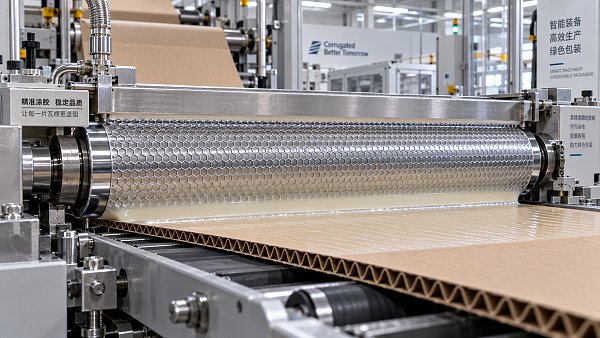
Water-based adhesives are widely used for paper and board applications, but their viscosity, solids content, drying behavior, and substrate absorption can vary. A basic cold-glue unit may be suitable for a simple, consistent application. More demanding operations may require controlled pumps, filters, recirculation arrangements, adjustable applicators, or multiple gluing heads.
The cost rises where the process needs repeatable glue quantity rather than a broadly acceptable adhesive stripe. Too little adhesive can produce weak seams; too much may cause squeeze-out, distorted board, staining, or slower drying. For printed cartons, excessive moisture can also affect surface appearance or crease behavior. In these cases, metering quality and clean application are usually more valuable than a low-cost open glue tray.
Hot-melt adhesive systems
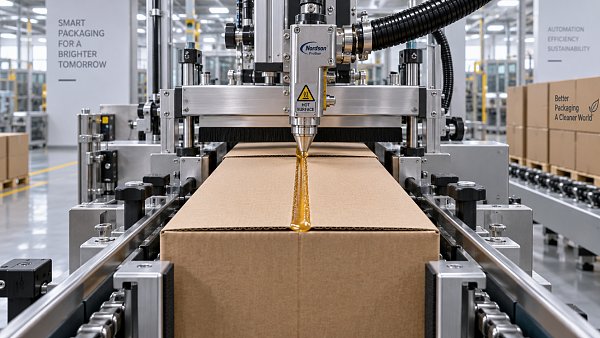
Hot-melt applications generally involve melting, temperature control, hoses, heated applicators, and nozzles or guns. The equipment must maintain adhesive within a usable temperature range and deliver it consistently during production. Cost is influenced by melt capacity, number of application points, hose length, pattern-control requirements, insulation, and the level of monitoring needed to prevent poor bonding or nozzle blockage.
Hot melt can be selected where rapid setting supports high-speed packaging, where moisture-sensitive substrates are involved, or where the packaging design requires a more immediate bond. However, the machine evaluation should include adhesive char risk, warm-up routines, nozzle maintenance, safe cleaning procedures, and downtime associated with adhesive changes. A lower-cost heated unit may be reasonable for intermittent use, but continuous production often justifies more stable temperature management and dispensing control.
Special application requirements
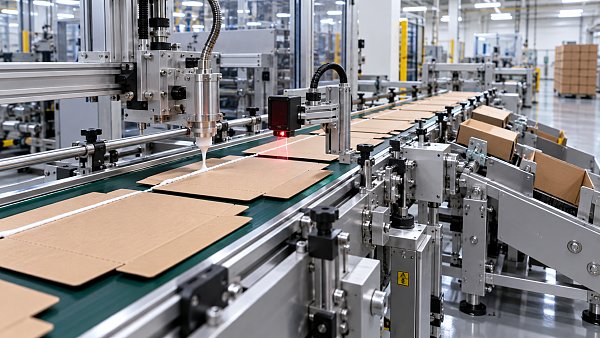
Some packaging tasks require narrow beads, intermittent dots, multiple glue lines, or adhesive placement near a window, crease, or printed area. These applications increase the importance of registration between the blank position and the glue trigger. The price difference may come from sensors, encoder-based timing, programmable controllers, multi-channel dispensing, or inspection capability rather than from the basic glue head itself.
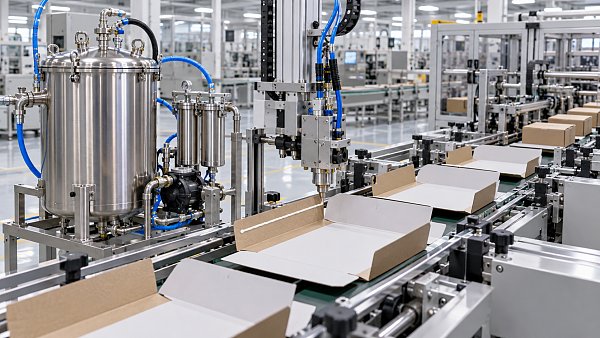
Ask suppliers to describe the adhesive path from container to substrate. This reveals whether the quoted configuration includes the tank or melter, pump, hose, filter, valve, nozzle, application roller, return line, and cleaning provisions required for the intended material. A quote that excludes these supporting elements can appear cheaper while leaving essential process equipment to be added later.
Automation pays for control, repeatability, and reduced intervention
Automation is often described too broadly. It is better to identify which manual actions are creating cost or quality risk. In a carton converting operation, operators may be adjusting side guides, setting glue width, repositioning nozzles, changing belt spacing, correcting fold alignment, removing jams, or checking whether glue has been applied. Each task has a different automation value.
A semi-automatic machine may offer powered conveying and a controlled applicator but still depend on hand-fed blanks and manual format adjustment. This can be an effective middle position where job volume is moderate and skilled operators are already available. Its lower capital cost is balanced against longer changeovers and greater dependence on consistent manual setup.
At a higher automation level, the system may include automatic feeding, servo positioning, recipe storage, electronic glue timing, automatic blank detection, reject handling, and communication with upstream or downstream equipment. These functions increase glue machine price because they require drives, sensors, software, control cabinets, safety circuits, and commissioning effort. Their value is strongest where the plant runs repeat orders, handles frequent format changes, or needs stable output with fewer manual interventions.
Not every automatic function has equal value. Automatic format setup is more relevant to a plant with frequent size changes than to one producing a narrow range of carton sizes. Vision inspection may be justified where missing glue can cause serious downstream failure, but it may be excessive for a low-risk manual packing application with easy visual confirmation. Buyers should tie each automation feature to a specific current loss: labor time, scrap, rework, missed glue, unplanned stoppage, or unstable changeover.
Application accuracy is often the hidden price difference
Two machines may both apply adhesive, yet produce very different results at the finished-carton stage. The real comparison is the machine’s ability to place the correct amount of glue in the intended position, repeatedly, while the substrate moves through the line.
Accuracy depends on several linked factors: blank registration, conveyor stability, board flatness, sensor response, glue head design, adhesive viscosity, pressure settings, and the distance between the applicator and the material. On corrugated board, flute profile, surface dust, and warp can further affect bonding. On printed folding cartons, precise placement matters because visible glue contamination or misalignment can lead to rejection even when the seam itself holds.
Where quality expectations are high, the quotation should clarify adjustment resolution, glue-width control, trigger repeatability, and the method used to maintain consistent application during acceleration and deceleration. It should also state whether the machine can monitor glue presence, detect a missing blank, or prevent application when material is not correctly positioned. These capabilities add cost, but they can prevent waste that is difficult to identify until cartons reach packing or shipment.
Integration can cost more than the gluing station itself
A stand-alone glue machine has a different cost structure from a machine that must work as one section of a folder gluer, die-cutting line, case-making line, or end-of-line packaging system. Integration may require matched line height, synchronized speed control, buffer management, signal exchange, safety interlocks, controlled starts and stops, and space for maintenance access.
Consider a line where die-cut blanks arrive at a variable rhythm. The glue section must recognize product position and maintain adhesive timing even when upstream speed changes. If folded cartons then enter a compression section, the adhesive’s setting behavior and the conveyor timing must work together. If output is sent to automatic counting or palletizing, the line must also prevent unstable accumulation. A simple dispensing unit may not be sufficient in this situation.
Integration should therefore be discussed early, before a final price comparison. Provide information about upstream machine type, line speed range, material flow direction, available floor space, electrical supply, compressed air, adhesive handling area, and existing controls. Retrofitting these details later can alter the scope significantly.
Compare the operating burden behind each quotation
Purchase price is only one part of the investment decision. The operating burden can vary materially between a low-cost configuration and a more controlled one. A practical review should examine consumables, cleaning time, operator skill, spare parts, planned maintenance, and the likely effect of adhesive errors on finished-product yield.
Ask how the system is cleaned at the end of a shift, after an extended stop, and during an adhesive change. For cold-glue equipment, dried material in lines or rollers can create application inconsistency. For hot-melt systems, carbonized adhesive, blocked nozzles, and incorrect temperature practices can create similar problems. Cleaning access, removable components, filters, flushing procedures, and alarm functions may not receive much attention during initial purchasing, yet they shape daily usability.
Also examine whether the machine requires constant operator observation. A low-priced unit that needs repeated manual correction may remain acceptable for occasional work. It becomes less attractive when labor availability is limited or when operators must supervise several machines. The right comparison is not automation versus manual work in the abstract; it is the number of interventions required to achieve acceptable output across normal jobs.
A disciplined way to request and compare prices
To make supplier proposals comparable, send the same operating brief to each bidder. Include the products to be glued, adhesive specification where known, typical and maximum blank sizes, substrate range, required line speed, daily operating pattern, changeover frequency, current pain points, and whether the unit will run independently or as part of a connected line.
Then separate each quotation into functional layers rather than reviewing one total figure:
- Base machine: frame, transport, standard applicator, basic controls, and included safety features.
- Adhesive package: tank or melter, pumps, hoses, filters, nozzles, recirculation, heating, and cleaning components.
- Automation options: auto feed, servo adjustment, recipe management, sensors, glue monitoring, inspection, and reject handling.
- Integration scope: conveyors, synchronization, electrical interfaces, guarding modifications, and control communication.
- Support requirements: installation work, commissioning, operator training, recommended spares, and maintenance documentation.
This structure makes it easier to identify why one glue machine price is higher. It also prevents a common mistake: comparing a complete production-ready system with a base unit that will need multiple additions before it can process the intended job.
The strongest buying decision usually comes from matching the machine to the real source of loss. Where output is the constraint, prioritize stable feeding, transport, and downstream coordination. Where bonding failures are the concern, focus on adhesive compatibility and metering control. Where frequent job changes consume time, place greater value on repeatable setup and saved parameters. Where finished-carton quality is sensitive, treat application accuracy and verification as core requirements rather than optional extras.
Related News
 How to Evaluate a Cold Glue System Manufacturer for Reliable BondingChoose a cold glue system manufacturer with proven application control, uptime-focused design, seamless integration, and responsive service for reliable bonding.Spatial Folding Strategist
 How to Stop Stringing and Poor Bonds with an Industrial Hot Melt Glue GunIndustrial hot melt glue gun troubleshooting guide: reduce stringing, improve bond strength, optimize temperature, nozzle condition, timing, and carton compression.Spatial Folding Strategist
 How Non Contact Glue Detection Systems Prevent Carton FailuresNon contact glue detection systems prevent carton failures by spotting missing or misplaced adhesive early, reducing rejects, rework, and packing-line disruptions.Spatial Folding Strategist
 What Engraved Glue Rollers Cost and Which Specs Matter MostEngraved glue rollers: compare cost drivers, cell volume, coatings, tolerances, and supplier specs to improve adhesive control, reduce waste, and protect corrugator uptime.Spatial Folding Strategist
 How Hot Melt Glue Systems Improve Bond Strength and UptimeHot Melt Glue Systems improve bond strength and uptime with precise temperature control, clean flow, accurate bead placement, and reliable compression.Spatial Folding Strategist
 How to Evaluate Glue Machine Manufacturers for Long-Term Operating CostGlue machine manufacturer evaluation guide: compare lifecycle costs, adhesive control, uptime, maintenance, changeovers, and supplier support for smarter investments.Spatial Folding Strategist