What Drives Water Based Flexographic Ink Price in 2026
A purchasing review often starts with two water-based flexographic ink quotations that appear easy to compare: the same color family, similar packaging format, and a visible difference in price per kilogram. The problem usually appears later on press. One ink may require more additions to reach the target shade, dry less predictably on a coated liner, or create more cleaning work during a short-run changeover. The lower invoice price can then become the more expensive production choice.
Water based flexographic ink price in 2026 will be driven by raw-material composition, performance requirements, regulatory documentation, order volume, and the technical service built into the supply arrangement. For corrugated and commercial print buyers, the useful comparison is not simply cost per kilogram. It is the delivered cost of producing acceptable printed sheets or cartons at stable speed, with controlled waste, repeatable color, and no avoidable disruption in the pressroom.
Start with the print job, not the ink quotation
Water-based flexographic inks are formulated around water, resins or binders, pigments, additives, and sometimes co-solvents or performance modifiers. Each component affects price, but it also affects how the ink transfers through the anilox, releases from the plate, wets the substrate, dries, resists rub, and reproduces color. A quotation cannot be assessed properly until the required job conditions are clear.
For example, a brown shipper carton with broad solids may tolerate a different ink system from a retail-ready corrugated display carrying fine reverses, dense process images, barcode elements, and brand-critical spot colors. Both may be described as water-based flexographic printing, yet the second application may need tighter viscosity control, cleaner dot reproduction, stronger color development, or more demanding resistance properties. Those requirements can change both the initial ink price and the amount consumed per finished unit.
Before requesting comparable offers, define the operating conditions in writing:
- substrate grade, surface treatment, absorbency, and color;
- printing method, press configuration, number of colors, and target running speed;
- anilox volume, plate type, doctor blade arrangement, and drying capacity;
- color standard, approval method, and allowable variation between repeat orders;
- required properties after printing, such as rub resistance, water resistance, gloss, or tape adhesion;
- expected order length, job-change frequency, and whether ink will be returned to inventory;
- storage limits, delivery format, and site-specific handling requirements.
This preparation avoids a frequent purchasing error: inviting suppliers to quote against a color name alone. A “blue” is not a technical specification. It may conceal major differences in pigment strength, hue tolerance, transparency, resistance requirements, and the amount of ink necessary to achieve the approved target.
Raw materials set the base cost, but formulation determines the practical value
Resin systems are one of the largest reasons that two inks with a similar visual appearance have different prices. The binder must hold pigment evenly, support adhesion to the intended substrate, and form a stable printed film after drying. Different resin choices influence flexibility, rub resistance, water resistance, gloss, re-wettability, and compatibility with the press and downstream converting process. A formulation intended for demanding coated board or high-rub applications may therefore cost more than an ink intended for uncoated corrugated liner.
Pigment selection matters just as much. Pigments differ in shade purity, tinting strength, transparency, opacity, lightfastness, and resistance behavior. A lower-strength pigment can make a quotation look attractive while requiring a higher laydown or additional mixing to hit color. Certain bright, clean, or tightly specified shades can also require more costly pigment packages. Procurement should ask whether the quoted ink is based on the same approved color target and whether the supplier has stated the expected color strength rather than merely offering a visual sample.
Additives are usually a smaller part of the formula by weight, but they can have a large operational effect. Defoamers, waxes, wetting agents, pH-control components, and slip or rub modifiers are selected to help the ink run consistently. Removing or reducing them may lower the selling price, yet can create foaming, poor transfer, blocked anilox cells, unstable viscosity, or inadequate rub resistance. The practical question is not whether an additive makes ink “premium”; it is whether the press and finished pack actually need the performance it provides.
Color strength changes the real price per printed area
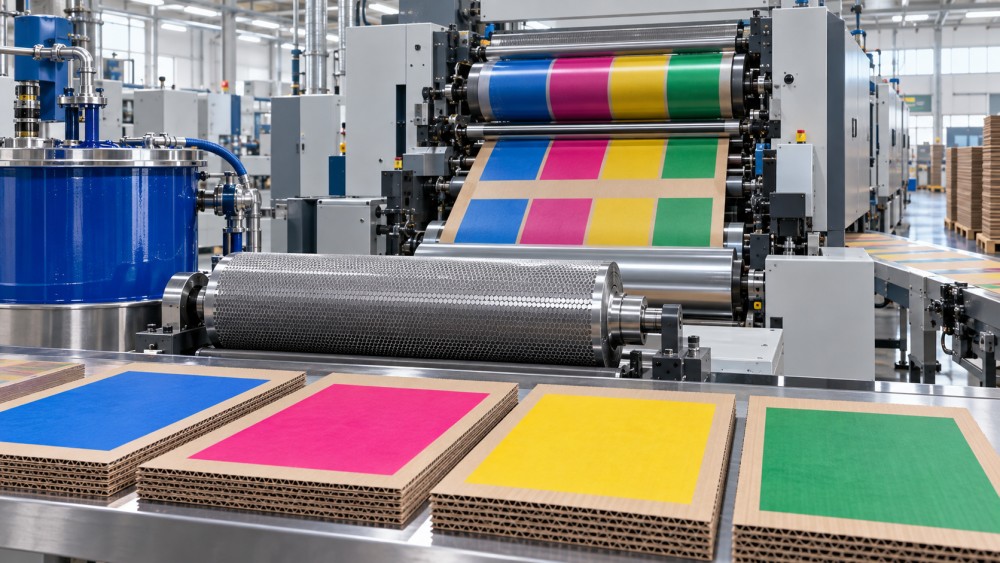
Price per kilogram is a purchasing reference, not a consumption calculation. The more useful measure is cost per printed square meter, per thousand sheets, or per accepted production run. To calculate it, the buyer needs the ink’s usable solids, density where relevant, color strength, expected laydown, and realistic press consumption. These figures should be reviewed alongside the dilution or adjustment procedure used on site.
A concentrated ink may have a higher kilogram price but produce more saleable print after controlled reduction. Conversely, a lower-priced product that needs heavier application to obtain density may increase usage, drying load, and waste. The difference becomes especially important on large solid areas and on jobs where a small shift in color density triggers frequent press adjustments.
Ask suppliers to identify the conditions behind any consumption estimate. Was it based on the same substrate
Related News
 How to Choose a Print Dryers Supplier for Your Production LineChoose the right print dryers supplier with practical tips on drying performance, integration, safety, and lifetime costs. Compare with confidence.Print Fluidics Scientist
 How to Choose Low Odor Water Based Flexographic Ink for PackagingChoose low odor water based flexographic ink with confidence. Explore substrate compatibility, drying, safety documentation, and practical packaging trials.Print Fluidics Scientist
 How to Set Hot Air Drying Oven Temperatures for Water-Based InksOptimize your hot air drying oven for water-based inks. Learn how to balance temperature, airflow, exhaust, and speed for reliable print quality.Print Fluidics Scientist
 How to Evaluate a Print Dryers Factory Before Placing an OrderEvaluate a print dryers factory with confidence. Compare production tests, safety, total costs and after-sales support before placing your order.Print Fluidics Scientist
 How Does LED UV Curing Affect Print Quality on Web Offset Presses?Web Offset Presses can benefit from LED UV curing with less ink transfer and better handling durability. Discover what drives sharper detail, stable color, and reliable cure at production speeds.Print Fluidics Scientist
 Why UV Inks Stay Tacky After Curing and How to Fix the ProblemUV Inks still tacky after curing? Discover common causes, from low UV energy to oxygen inhibition, and practical fixes to prevent blocking, reduce waste, and restore print quality.Print Fluidics Scientist