How to Choose the Right Plate Cylinder for Flexographic Press Quality
How to Choose the Right Plate Cylinder for Flexographic Press Quality
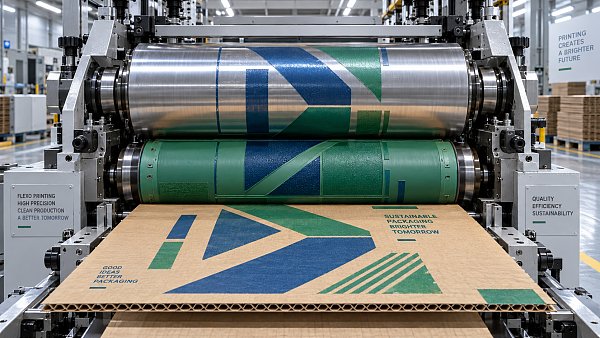
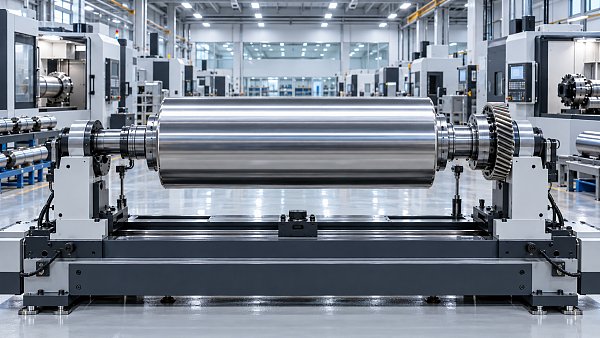
Choosing the right plate cylinder for flexographic press performance is rarely a narrow component decision. For technical evaluators, it sits at the intersection of print repeat accuracy, plate mounting consistency, substrate handling, changeover time, and long-term mechanical stability. A cylinder that looks acceptable on a quotation sheet can still create practical problems on press: unstable registration, bounce at speed, uneven impression, premature plate wear, or mounting errors that show up only when production volume increases.
That is why plate cylinder selection should be treated as part of the total press and process system. In packaging printing, especially where corrugated board, paper-based packaging, short runs, and frequent order changes are involved, the cylinder affects much more than image transfer. It influences how reliably the press repeats the same job tomorrow, next month, and after thousands of mounting cycles.
CPCS follows these decisions from the viewpoint of real packaging plants and commercial print operations. Across flexographic presses, anilox systems, doctor blades, registration control, converting lines, and packaging factory automation, the recurring lesson is simple: components should be evaluated by how they behave in production, not only by how they are described in technical brochures.
Start with the job mix, not the cylinder catalog
The most common selection mistake is starting from available cylinder sizes rather than from the pressroom’s actual workload. A plant running long, stable orders on a narrow substrate does not need the same cylinder strategy as a corrugated converter handling frequent SKU changes, mixed board grades, and customer-sensitive graphics.
Before comparing suppliers, it helps to define a few operating realities:
- Repeat lengths used most often
- Typical plate thickness and mounting tape structure
- Substrate range, especially paper, film, linerboard, or corrugated board variation
- Required print quality level, from transport graphics to retail shelf impact
- Expected line speed and acceleration profile
- Frequency of job changeovers and mounting cycles
A plate cylinder for flexographic press quality should fit the dominant production pattern. If the plant mostly runs medium graphics on corrugated board with many repeat changes, mounting efficiency and repeat availability may matter more than chasing extremely fine tolerances meant for different applications. On the other hand, if the business includes high-value display packaging or brand-critical print work, tighter mechanical accuracy and surface condition become much more important.
What actually matters in cylinder performance
In practical evaluation, four characteristics deserve close attention: concentricity, repeat accuracy, dynamic balance, and surface integrity. These are not abstract engineering terms. They are directly connected to defects operators recognize on the machine.
Poor concentricity can contribute to impression variation around the circumference. Weak repeat consistency makes color-to-color registration harder to maintain, especially when several print units must stay aligned over longer runs. Imbalance becomes more visible as speed increases, often appearing as vibration, gear-related instability, or print fluctuation that operators may initially blame on plates or ink. Surface problems, including wear, damage, or inconsistent finish, affect plate mounting quality and can reduce repeatable positioning.
When suppliers discuss precision, evaluators should not stop at broad claims like “high accuracy” or “stable running.” Ask how repeat is manufactured and verified, how runout is controlled, what balancing approach is used, and whether the verification method matches the operating speed range of the intended press.
Sleeve systems, solid cylinders, and the changeover question
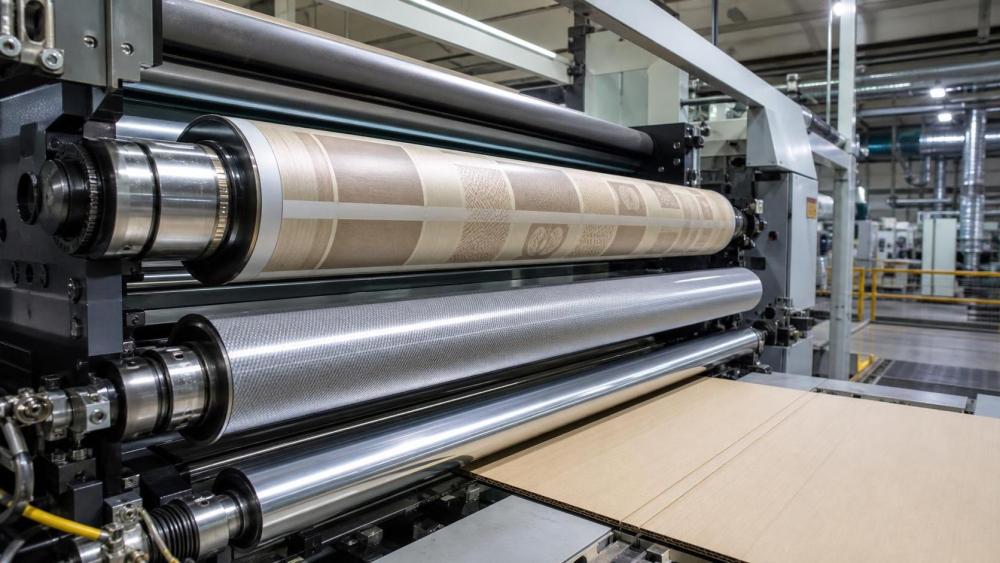
Not every operation is choosing between identical architectures. Depending on the press platform, the decision may involve conventional solid plate cylinders, bridge-mandrel arrangements, or sleeve-based systems. The best option depends heavily on how the plant values flexibility versus installed complexity.
Solid cylinders are often appreciated for mechanical familiarity and directness. They can be a sound choice where repeat ranges are limited and changeovers are manageable. Sleeve-based systems usually become more attractive when a plant needs faster job switching, broader repeat coverage, easier storage logistics, or reduced handling effort for operators. But sleeve convenience does not automatically remove quality risk. Air supply stability, sleeve fit, mandrel condition, and handling discipline all become part of the print quality equation.
Technical evaluators should therefore compare not just component prices, but the operational consequences of each system: storage footprint, mounting workflow, lifting requirements, repeat library cost, maintenance burden, and the chance of operator-induced damage during daily use.
Plate mounting accuracy is part of cylinder selection
A plate cylinder is only as good as the mounting process it supports. In many plants, print inconsistency blamed on the press is actually linked to repeatable mounting error, tape variability, or poor plate positioning reference. Cylinder design should be checked together with the mounting method, registration marks, and whether the press uses manual, semi-automatic, or automated mounting support.
This is especially relevant in corrugated and packaging environments where job changes are frequent. A cylinder with good machining but awkward mounting references may still slow down setup and increase waste during startup. By contrast, a well-matched cylinder and mounting workflow can reduce make-ready sheets, shorten registration adjustment time, and improve consistency across repeat orders.
CPCS often frames this as a system-level evaluation issue. In the same way that anilox selection cannot be isolated from ink chemistry and doctor blade condition, plate cylinder choice should not be isolated from prepress tolerances, tape selection, operator skill, and the press control strategy.
Material, construction, and durability over time
The cylinder body material and construction method matter because flexographic print quality depends on long-term repeatability, not just day-one acceptance. Over time, daily cleaning, handling, solvent exposure, impacts during changeover, and storage conditions all affect usable life.
Questions worth asking include whether the cylinder surface is resistant to common plant cleaning practices, how easily damage can be repaired, and what happens if a mounting edge is nicked or if the body is dropped during handling. In some factories, replacement lead time is a bigger risk than purchase price, especially when a missing repeat size can interrupt a customer’s reorder schedule.
This is where supplier support deserves more scrutiny. A technically acceptable plate cylinder for flexographic press use becomes less attractive if local service, rebalancing, repair, or repeat verification is difficult to obtain. For plants running tight delivery windows, support capability is part of the technical decision.
A useful comparison framework
Where selection decisions often go wrong
One trap is buying only for today’s repeat lengths. If the commercial team expects more SKU diversity or different pack formats, the repeat library can become restrictive very quickly. Another is overemphasizing upfront cost while ignoring handling damage, remounting time, or the extra waste generated by unstable setup.
There is also a tendency to evaluate cylinders without reviewing press condition. Worn bearings, misaligned support mechanisms, or inconsistent impression settings can distort the test result. A good cylinder cannot correct a weak mechanical platform. Technical assessment should separate cylinder capability from broader press condition as much as possible.
For packaging factories moving toward more connected production management, this matters even more. Short-run economics are increasingly shaped by order scheduling, automated changeover, inline inspection, coding traceability, and waste control. A cylinder that saves a few minutes in setup may create value well beyond the printing unit because it helps the whole line recover faster between jobs.
Questions worth asking suppliers before approval
A sound review usually includes a few direct questions:
- How is repeat dimension controlled across different cylinder sizes?
- What inspection documentation is available at delivery?
- How does the design support mounting consistency and operator handling?
- What are the repair or refurbishment options if damage occurs?
- How does the cylinder perform with the specific plate type, tape build, and substrate range used in the project?
If a supplier cannot connect the cylinder design to actual pressroom conditions, the discussion is still too general. The right choice usually emerges only when repeat geometry, plate system, press architecture, and production rhythm are reviewed together.
For teams comparing flexographic press investments across commercial print and corrugated packaging applications, that broader context is exactly where platforms such as CPCS are useful. Equipment selection becomes clearer when print units, aniloxes, registration systems, converting requirements, and plant automation goals are evaluated as one operating model rather than as isolated components.
In the end, the right plate cylinder is not the one with the most impressive specification sheet. It is the one that holds repeat accurately, mounts predictably, runs stably at your real production speed, and fits the plant’s changeover discipline and service environment. If any of those points remain uncertain, it is worth pausing the approval and asking for a deeper technical review before the decision becomes expensive to reverse.
Related News
 How an Impression Roller for Flexo Printing Affects Print QualityDiscover how an impression roller for flexo printing influences ink transfer, dot gain, alignment, and print consistency. Learn practical setup and troubleshooting tips.Print Fluidics Scientist
 Why Color Measurement Systems Matter for Consistent Flexo PrintingColor Measurement Systems help flexo printers achieve consistent brand colors, reduce waste, improve traceability, and protect packaging quality across every production run.Print Fluidics Scientist
 What to Check Before Choosing a Print Dryers Supplier for Your PressPrint dryers supplier selection guide: compare drying methods, press integration, energy use, maintenance, safety, and support to improve print quality and uptime.Print Fluidics Scientist
 How to Compare Web Tension Controller Manufacturers for Flexo PressesWeb tension controller manufacturer comparison guide for flexo presses: assess stability, sensing, integration, service, and real-world substrate performance.Print Fluidics Scientist
 How Hot Air Print Dryers Improve Ink Drying on Flexo LinesHot air print dryers improve flexo ink drying with balanced airflow, controlled heat, and reliable results for faster packaging production.Print Fluidics Scientist
 How to Choose a Plate Cylinder Manufacturer for Reliable Print QualityChoose a reliable plate cylinder manufacturer with proven precision, balance control, material expertise, and press compatibility for consistent print quality.Print Fluidics Scientist