How to Choose a Printing Sleeve for a Flexographic Press
Choosing the right printing sleeve for a flexographic press requires more than matching its dimensions to the press. Sleeve construction, repeat length, mounting compatibility, dimensional stability, and operating conditions can all influence registration accuracy, changeover efficiency, and print consistency. For technical evaluators, comparing these factors alongside maintenance requirements and total operating cost helps reduce production risks. This guide explains the key criteria for assessing printing sleeves and matching them to specific press configurations and packaging applications.
Start with the complete mounting system
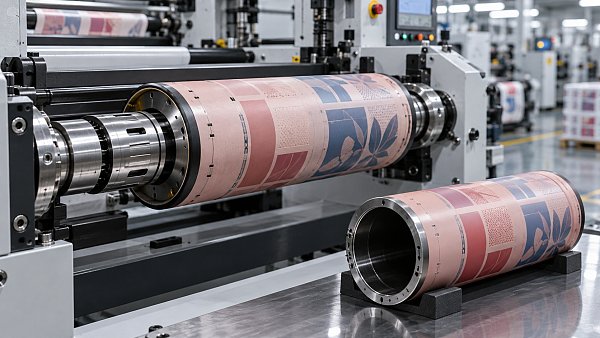
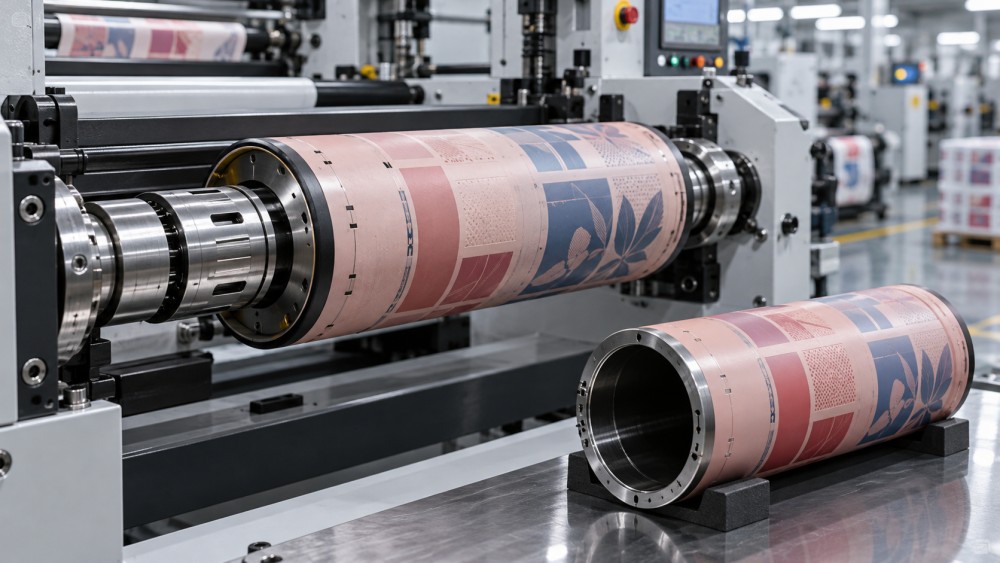
A flexographic printing sleeve is generally a removable carrier that fits over an air mandrel, sometimes with an adapter or bridge sleeve between the mandrel and the plate sleeve. The printing plate and mounting tape are then applied to the sleeve surface. The exact arrangement depends on the press and the repeat range it is designed to handle.
That distinction matters when comparing quotations. A supplier may describe a component as a sleeve even though the press requires a separate adapter to reach the intended diameter. Another proposal may include the complete assembly. Compare the components as installed, not just the name on the quotation.
The mandrel provides compressed air through holes in its surface to expand the sleeve slightly during installation and removal. Once the air is released, the sleeve grips the mandrel or adapter. Correct fit therefore depends on both the sleeve and the condition of the supporting equipment. A worn mandrel, obstructed air holes or inadequate air supply can make a correctly specified sleeve difficult to change.
Confirm the dimensions that determine fit and repeat
Begin with the press manufacturer’s approved specifications and the dimensions of the existing mandrel and adapter system. A sample sleeve can help a supplier verify the design, but it should not be the only reference: wear or previous modifications may make it a poor master.
The information package should identify the press model, printing station, mandrel diameter, sleeve internal diameter, sleeve face width and required finished repeat. Also specify any locating features, end construction and the dimensions of an existing adapter where one is used. Ask the supplier to state which dimensions are nominal and which are subject to inspection tolerances.
Separate sleeve circumference from printed repeat
The working circumference is affected by the entire build-up: sleeve surface, mounting tape and plate. For a simple cylindrical build, the finished circumference can be estimated as π multiplied by the finished outside diameter. Because tape and plate add thickness on both sides of the diameter, changing either can affect the calculated repeat.
Use that calculation as a check, not as a substitute for the press and prepress specifications. Plate distortion, plate processing and the press’s repeat convention must also be considered. Confirm whether the repeat quoted by each supplier refers to the bare sleeve or to the finished printing surface, and record the plate and tape thicknesses used in the calculation.
Width deserves similar attention. A sleeve must accommodate the image and mounting requirements without interfering with the press or extending beyond the supported area. Check the usable print width separately from overall sleeve length, including any end features required by the mounting system.
Evaluate construction against the actual duty
Sleeves may use composite structures and different surface or build-up materials to achieve their dimensions and operating properties. The appropriate construction depends on the mandrel system, repeat range, press speed and handling conditions. Material names alone do not establish whether a sleeve will perform well; ask for the construction’s intended application and the limits that apply to the complete assembly.
A lightweight sleeve can make frequent changes easier, particularly on wider presses. But weight should be considered alongside stiffness, dimensional stability and resistance to handling damage. A sleeve that is easy to lift but vulnerable at the ends may generate more downtime over its life. Conversely, a robust construction that requires awkward handling can slow a short-run operation and increase the chance of accidental damage.
For large repeat sizes, the adapter or bridge sleeve also deserves scrutiny. Its fit, support and condition affect the plate sleeve above it. Replacing only the outer sleeve will not necessarily solve a problem caused by a damaged or unsuitable adapter. Ask whether the proposed combination is approved for the intended width, speed and repeat, rather than assuming each component’s individual rating applies to the assembly.
Surface condition is a production issue
The sleeve surface must support consistent tape adhesion and plate mounting. Cuts, raised edges, embedded debris or residue can prevent even contact and complicate removal. Ask what surface finish the supplier provides, how it should be cleaned and which tapes or mounting practices have been evaluated with it. If a plant uses several tape types for solids, fine text and halftones, that should be part of the discussion before purchase.
Match performance requirements to the print job
Not every application places the same demands on the sleeve. Flexible packaging or label work with small text, fine vignettes and tight multicolor registration may expose inconsistencies that are less visible in a simple shipping-box design. Corrugated post-printing can present different challenges, including board variation and the need to control impression without damaging the flute structure.
This does not mean the sleeve alone determines print quality. Plate selection, mounting tape, anilox condition, ink control, impression settings and substrate stability all contribute. When assessing a proposed sleeve, define the defects that matter commercially: color-to-color registration, barcode readability, tonal consistency or repeat length, for example. Then decide how the press trial will distinguish sleeve-related behavior from other process variables.
For high-speed work, request the supplier’s guidance on permissible operating speed and any balance or runout requirements. Confirm how runout is measured, where measurements are taken and whether the stated value applies to the sleeve alone or to the installed assembly. A low runout specification on paper is less useful if the test method differs from the way the plant checks the sleeve on press.
Temperature and humidity can also influence materials and dimensions. If sleeves move between a cool storage area and a warmer pressroom, discuss acclimatization and measurement conditions with the supplier. The relevant question is not whether a material is described as stable, but whether the complete system remains within the tolerances required under the plant’s normal conditions.
Check chemical exposure and cleaning practices
A sleeve may encounter water-based or solvent-based inks, cleaning agents, adhesive removers and washdown procedures. Compatibility depends on the specific chemicals, concentration, exposure time and sleeve construction. Provide the supplier with the products actually used in the plant, including plate-mounting cleaners, rather than asking only whether the sleeve is “solvent resistant.”
Clarify whether immersion, prolonged contact, scraping or abrasive cleaning is permitted. Pay particular attention to the ends and any exposed interfaces between materials. A cleaning method that removes tape residue quickly can still shorten service life if it damages a protective surface. Written maintenance instructions should be available to the people performing the changeover, not just to the purchasing team.
Assess changeover, storage and repair before ordering
A sleeve’s operating cost begins before it reaches the press. Consider how it will be moved from storage to the mounting station, how operators will identify the correct repeat, and whether the plant has suitable handling equipment for its width and weight. End damage can occur during transport or installation, especially when sleeves are placed on hard surfaces or forced onto a misaligned mandrel.
Store sleeves using the supplier’s recommended supports and environmental conditions. Avoid arrangements that put sustained loads on the surface or allow sleeves to strike one another. Identification should remain readable without compromising the mounting surface. A simple history of inspection findings and repairs can help the plant separate recurring handling damage from a construction or compatibility problem.
Before approving a supplier, establish what damage can be repaired, who performs the work and how a repaired sleeve is checked before returning to production. Also ask about replacement lead times and whether critical repeats require spares. For a plant with frequent short runs, one unavailable sleeve can disrupt several scheduled orders; for a long-run operation, consistency and service life may carry more weight than the fastest changeover.
Compare proposals on a common technical basis
The lowest purchase price is not necessarily the lowest operating cost. Compare the quoted assembly, expected handling requirements, inspection documentation, delivery terms and repair options alongside the unit price. Include the cost of adapters or tooling that are not interchangeable with the current system, as well as any training or process changes required.
A useful supplier review should resolve these questions before a purchase order is placed:
- Which press, mandrel and adapter configuration is the quotation based on, and who verifies compatibility?
- What are the agreed dimensions, tolerances, inspection conditions and acceptance methods?
- What plate and tape build-up was used to calculate the required repeat?
- What operating limits apply to the installed assembly, including width and speed?
- Which cleaning chemicals and maintenance procedures are acceptable?
- What documentation, repair support and replacement lead time are included?
Where print requirements are demanding or the construction is new to the plant, agree on a representative trial. Record the sleeve and adapter identification, mounting materials, job design, substrate, speed and press settings. Check installation and removal as well as print output. If defects appear, repeat the relevant measurements before attributing them to the sleeve: registration problems can also originate in mounting, web control or the press itself.
CPCS approaches packaging equipment decisions in this broader production context: component selection is most useful when it accounts for setup, quality control, maintenance and downtime together. Before final approval, bring the press supplier, sleeve supplier and production team onto the same specification sheet. A clear agreement on the installed build-up and acceptance method is often more valuable than a lengthy list of unverified performance claims.
Related News
 How Do Flexo Wash-up Systems Reduce Ink Changeover Time?Discover how Flexo Wash-up Systems reduce ink changeover time, limit contamination, and improve press availability—and learn how to measure savings before investing.Print Fluidics Scientist
 How Can Flexo Wash-up Systems Reduce Press Downtime?Flexo Wash-up Systems reduce press downtime through consistent cleaning and faster changeovers. Discover how to prevent contamination and restart with confidence.Print Fluidics Scientist
 How Do Print Register Control Systems Improve Print Accuracy?Print Register Control Systems improve color alignment, reduce setup waste, and help prevent drift. Discover how they work and what to check for consistent print quality.Print Fluidics Scientist
 How to Choose Inline Color Measurement Systems for Flexo PressesChoose inline color measurement systems for flexo presses with confidence. Compare accuracy, substrate compatibility, integration, and production costs.Print Fluidics Scientist
 How to Choose a Printing Sleeve for a Flexographic PressChoose the right printing sleeve for your flexographic press. Compare fit, repeat length, materials and maintenance to improve print consistency.Print Fluidics Scientist
 How Impression Rollers Affect Flexographic Print QualityImpression Rollers can make or break flexographic print quality. Discover how to prevent common defects, protect substrates and improve consistency.Print Fluidics Scientist