How to Choose a Plate Cylinder Manufacturer for Reliable Print Quality
A plate cylinder can look like a simple machined component on a quotation, yet it has a direct effect on registration, ink transfer, repeat accuracy, vibration, and waste on press. The problem often becomes visible only after installation: a job that previously ran smoothly starts showing tonal variation, uneven impression, registration drift, gear noise, or longer setup time. By then, the purchase price has already become less important than the disruption to production.
The right choice is not simply the lowest-cost plate cylinder manufacturer or the supplier offering the shortest initial lead time. A reliable supplier should be evaluated on its ability to produce cylinders with controlled geometry, suitable materials, consistent balance, verified interface compatibility, and usable technical support after delivery. Procurement should begin with the press and application requirements, then compare suppliers against measurable acceptance criteria rather than broad claims about quality.
Start with the actual printing condition, not a generic cylinder specification
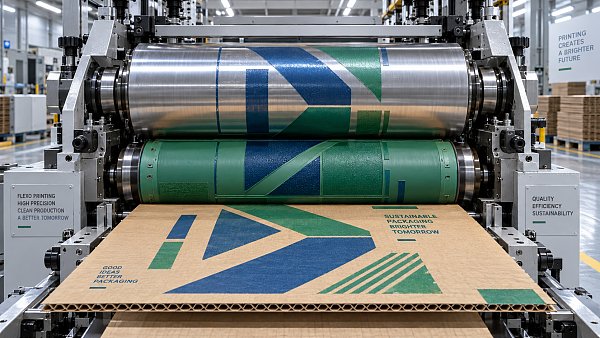
Plate cylinders are used under different operating conditions depending on the press design, printing process, substrate, plate type, and production speed. A cylinder for a flexographic packaging press may face frequent plate mounting, water-based ink exposure, repeated job changes, and high-speed rotation. A cylinder used in another printing configuration may require a different surface treatment, mounting arrangement, or dimensional tolerance.
Before asking manufacturers for quotations, define the cylinder’s operating context. This prevents a supplier from quoting a technically acceptable but commercially unsuitable design.
- Press make, model, printing unit configuration, and relevant drawing references
- Required face length, body diameter, repeat length, shaft dimensions, and bearing arrangement
- Drive-side and operator-side interface details, including gears, journals, keys, sleeves, or locking features
- Printing speed range and whether the press runs long production campaigns or frequent short jobs
- Plate mounting method, such as tape, sleeves, mechanical clamping, or another system
- Typical substrates, including paper, corrugated board, film, labels, or laminated materials
- Ink and wash-up chemistry that may affect corrosion resistance or surface durability
- Required quantity, expected replacement cycle, and whether cylinders must be interchangeable across multiple press units
Interchangeability deserves special attention. A cylinder may work individually but still create setup problems if its dimensions vary from another cylinder intended for the same press. When a factory changes jobs frequently, repeatable fit between cylinders, plates, gears, and press-side components matters as much as the cylinder’s standalone quality.
Machining accuracy must be discussed in functional terms
Suppliers often describe their machining as “high precision,” but procurement documents should ask how that precision is controlled and verified. The practical concern is whether the cylinder rotates concentrically, maintains its intended repeat, supports even plate contact, and fits the press without forcing operators to compensate during setup.
Critical characteristics normally include total indicated runout, concentricity between body and journals, cylindricity, straightness, face width accuracy, diameter consistency, and the geometry of any mounting or drive features. The importance of each item depends on the press. For example, a minor deviation in a non-contact area may have little production effect, while deviation at a gear seat, bearing journal, or plate mounting surface can affect registration and impression.
Ask the supplier to state which dimensions are inspected, which measuring equipment is used, and whether an inspection record can be supplied with each cylinder or shipment batch. The goal is not to demand unnecessary paperwork; it is to establish a clear link between the print requirement and the manufacturing control method.
A useful quotation review asks a straightforward question: can the supplier identify the dimensions that control press performance, rather than merely providing an overall cylinder size? Suppliers that understand this distinction are usually better prepared to handle replacement cylinders and repeat orders.
Material choice affects stability, handling, and lifecycle cost
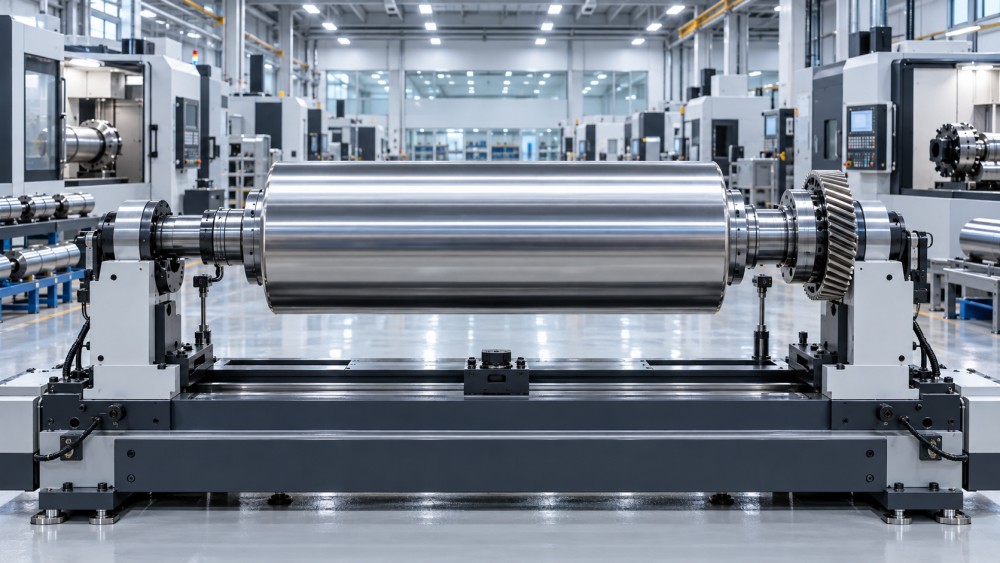
Material selection should follow the application rather than habit. Steel, aluminum, and specialized constructions can each be appropriate depending on cylinder size, press design, speed, handling requirements, and the need for stiffness. A lighter cylinder may simplify manual handling and reduce rotational mass, while a more rigid construction may be preferable where deflection resistance and long-term dimensional stability are central concerns.
The material discussion should also include the surface and corrosion environment. Packaging operations may use water-based inks, solvents, cleaning agents, adhesive residues, and humid storage conditions. A cylinder body that is structurally adequate can still create avoidable maintenance issues if its finish is unsuitable for routine cleaning or if exposed areas corrode around journals, fasteners, or mounting interfaces.
Instead of asking only, “What material do you use?”, ask the manufacturer to explain why that material and surface treatment fit the proposed use. The answer should address rigidity, weight, corrosion resistance, repairability, and compatibility with the plate mounting process. It should also clarify whether the proposed construction changes the required balance procedure or maintenance approach.
Balance and rotational behavior are not optional details
At low speed, a cylinder with imperfect mass distribution may appear acceptable. As speed rises, the same imbalance can contribute to vibration, bearing stress, noise, inconsistent ink transfer, and gradual loss of print stability. The risk is higher with wide cylinders, large diameters, cylinders fitted with gears or mounting hardware, and press lines where operators are already working close to speed limits.
Balance should therefore be evaluated as part of the complete rotating assembly. Procurement teams should clarify whether the manufacturer balances the bare cylinder only or considers attached gears, sleeves, end fittings, and other production components. The answer may vary by design, but ambiguity should be removed before ordering.
Also confirm how the cylinder will be handled after delivery. A correctly balanced cylinder can be compromised by impact damage, improper storage, or unapproved modification. For larger units, ask for guidance on lifting points, protective packaging, storage orientation, and inspection after transport. These details are operational safeguards, not extras.
Confirm compatibility before releasing the order
Compatibility failures are often expensive because they are discovered at installation. A cylinder can meet its own drawing and still fail to integrate properly if the drawing was incomplete, based on an outdated press modification, or interpreted differently by the supplier.
Provide the manufacturer with the latest approved drawing and, where practical, details from the existing cylinder. Photographs can help identify features, but they should not replace controlled dimensions. Pay particular attention to the following areas:
- Journal diameter, length, shoulder positions, and bearing fit
- Gear type, tooth specification, mounting position, and fastening method
- Drive orientation and whether left-hand and right-hand units differ
- Plate mounting datum, seam position, register reference, and usable print width
- Clearance for guards, doctor blade assemblies, impression systems, and cleaning equipment
- Requirements for quick-change devices, sleeves, adapters, or automated mounting systems
Where the cylinder is a replacement for an existing part, request a pre-production drawing for approval. The internal engineering or maintenance team should review it against the press, not only against the old purchase order. Old records can contain assumptions that no longer apply after gear replacements, bearing changes, or press upgrades.
Evaluate supplier capability through the questions they can answer
Commercial proposals may look similar, especially when they list the same nominal dimensions. The distinction often appears during technical discussion. A capable manufacturer should be able to explain its machining route, inspection points, balancing process, packaging method, and response process for dimensional concerns. It should also be willing to identify missing information before committing to production.
Questions worth raising during supplier evaluation include:
- How is concentricity between the cylinder body and journals established and checked?
- Which characteristics are inspected on every unit, and which are sampled by batch?
- Can the supplier provide a controlled drawing for approval before manufacture?
- How is dynamic balance handled for the intended operating speed and assembly configuration?
- What surface preparation is recommended for the proposed plate tape or mounting system?
- How are cylinders protected against transit damage, moisture, and journal scratches?
- What information is needed to support a repeat order without dimensional drift?
- How are nonconforming dimensions or installation issues investigated after delivery?
A supplier that responds with specific process information is generally easier to work with than one that only repeats catalogue language. This matters when urgent replacement demand arises. The fastest supplier is not always the one promising the shortest calendar lead time; it is often the supplier that has preserved approved drawings, inspection references, and a clear record of the prior configuration.
Compare total purchasing cost, not unit price alone
A lower-priced cylinder can become costly if it requires extra fitting work, causes extended setup, damages plates, creates repeat print defects, or has to be remanufactured earlier than expected. For purchasing purposes, lifecycle cost should include the effects of installation time, spare-part availability, packing quality, technical communication, maintenance requirements, and the cost of production interruption.
This does not mean the highest-priced offer is automatically justified. It means each quotation should be normalized against the same scope. Check whether the price includes balancing, inspection documentation, gear fitting, surface treatment, packaging, transport protection, drawing approval, and support for first installation. An apparently inexpensive offer may exclude work that another supplier has already included.
Lead time should be separated into engineering approval, material availability, machining, balancing, inspection, packing, and shipment. This makes it easier to identify whether a supplier’s delivery promise is realistic. It also helps purchasing teams decide whether to hold a critical spare cylinder for presses where downtime exposure is greater than the carrying cost of inventory.
Use an acceptance plan before the cylinder reaches the press
Acceptance should not begin when an operator notices a print issue. Define the receiving and installation checks in the purchase order or technical agreement. Upon arrival, inspect packaging condition, identification marks, visible damage, corrosion protection, journals, mounting surfaces, and supplied documentation. Before production release, verify key interface dimensions and confirm that the cylinder turns freely and seats correctly in the press.
During the first job, monitor registration behavior, impression consistency, vibration, noise, plate adhesion, and any unusual adjustment required by operators. A new cylinder should not be judged solely by whether it fits. The relevant question is whether it performs predictably under normal production conditions.
When problems occur, record the symptom, press position, job condition, speed, plate type, substrate, and measured cylinder observations. This prevents an immediate assumption that the cylinder is at fault when the issue may involve bearings, gears, plate mounting, ink conditions, or press alignment. At the same time, structured records make a valid cylinder claim easier to resolve because the supplier receives usable technical evidence rather than a general complaint.
Questions that often arise during sourcing
Should a replacement cylinder be copied exactly from the old one?
Usually, the existing cylinder is an important reference, but it should not be copied without review. Confirm whether the press has been modified, whether the old unit has worn features, and whether its dimensions represent the original approved design. A controlled drawing based on current press requirements is safer than duplicating unknown deviations.
Is an inspection certificate enough to guarantee print quality?
No. Inspection records confirm selected manufacturing characteristics, but print quality also depends on plate preparation, mounting tape, gears, bearings, press alignment, inks, substrates, and operating conditions. The certificate is valuable when it covers the dimensions tied to cylinder performance and when it can be reviewed alongside installation results.
When is technical review necessary before purchase?
Technical review is particularly important for high-speed presses, wide cylinders, new press models, replacement parts with incomplete drawings, cylinders used across multiple units, and applications where registration or repeat accuracy is critical. Early review is usually less disruptive than correcting an interface issue after delivery.
Related News
 How an Impression Roller for Flexo Printing Affects Print QualityDiscover how an impression roller for flexo printing influences ink transfer, dot gain, alignment, and print consistency. Learn practical setup and troubleshooting tips.Print Fluidics Scientist
 Why Color Measurement Systems Matter for Consistent Flexo PrintingColor Measurement Systems help flexo printers achieve consistent brand colors, reduce waste, improve traceability, and protect packaging quality across every production run.Print Fluidics Scientist
 What to Check Before Choosing a Print Dryers Supplier for Your PressPrint dryers supplier selection guide: compare drying methods, press integration, energy use, maintenance, safety, and support to improve print quality and uptime.Print Fluidics Scientist
 How to Compare Web Tension Controller Manufacturers for Flexo PressesWeb tension controller manufacturer comparison guide for flexo presses: assess stability, sensing, integration, service, and real-world substrate performance.Print Fluidics Scientist
 How Hot Air Print Dryers Improve Ink Drying on Flexo LinesHot air print dryers improve flexo ink drying with balanced airflow, controlled heat, and reliable results for faster packaging production.Print Fluidics Scientist
 How to Choose a Plate Cylinder Manufacturer for Reliable Print QualityChoose a reliable plate cylinder manufacturer with proven precision, balance control, material expertise, and press compatibility for consistent print quality.Print Fluidics Scientist