How Flexographic Ink Systems Reduce Waste in High-Speed Printing
Waste in high-speed flexographic printing rarely comes from one dramatic failure. It usually builds through small losses: excessive ink returned to the tank, unstable color during acceleration, sheets rejected while registration settles, dried ink in hoses, or a wash-up that consumes more solvent, water, and labor than the job itself required.
A well-matched flexographic ink system reduces those losses by controlling ink from preparation through application, drying, recovery, and cleanup. The press, ink formulation, anilox roller, doctor blade, chamber, pumps, filtration, viscosity control, and drying system must operate as one process. Improving only one element may solve a visible symptom while moving waste elsewhere.
For high-speed corrugated, paper packaging, and commercial print operations, the practical goal is not to use the least possible ink at any cost. It is to apply the correct ink film consistently, achieve the required color and functional performance, and reach saleable production with fewer adjustments and fewer rejected sheets.
Where ink-related waste actually starts
When a print run produces color variation, dirty type, poor solids, pinholing, barcode failures, or slow drying, the immediate reaction is often to increase ink volume or adjust the press harder. That response can create more waste. More ink does not automatically improve print density, and a higher anilox volume may overload the substrate, extend drying time, and increase the risk of set-off or scuffing.
Flexographic Ink Systems reduce waste when they make the ink film predictable. Predictability allows operators to bring the press up to target condition quickly and keep it there as speed, temperature, substrate moisture, and job length change.
The main waste points normally fall into four connected areas:
- Start-up and changeover loss: ink used while color, viscosity, registration, and print pressure are being stabilized.
- Production rejects: printed material discarded because color, coverage, legibility, drying, or contamination falls outside the job requirement.
- Residual ink: ink left in tanks, chambers, lines, pumps, and containers after a job.
- Cleaning and handling loss: flushing media, wipes, contaminated wash water, dried deposits, spills, and material consumed during manual cleanup.
These categories should be tracked separately. A plant can report low ink purchase consumption while still losing value through high make-ready waste, excessive rejected board, or frequent line cleaning. Treating all waste as “ink usage” hides the cause and makes corrective action less effective.
Ink formulation must match the press, substrate, and drying window
Ink selection is often discussed in terms of color, gloss, or regulatory suitability. Those are important, but waste reduction depends equally on how the ink behaves at the real production speed. A formulation that prints well during a slow approval run may become unstable when press speed rises, the dryer load increases, or the board surface changes.
Water-based systems are widely used in paper and corrugated applications because they suit porous substrates and can support lower-solvent operations. Their performance, however, depends on disciplined control of viscosity, pH where relevant, foaming behavior, drying conditions, and substrate absorbency. If the ink dries too quickly in the chamber or on the anilox, deposits can reduce transfer and create streaks. If it dries too slowly on the sheet, rub resistance and downstream converting can suffer.
Solvent-based and UV-curable ink systems have different operating considerations. Solvent-based inks require attention to vapor handling, static control, enclosed delivery, and compatible cleaning methods. UV systems can offer rapid curing, but incomplete curing, unsuitable substrate interaction, or poor lamp and energy control can turn a material-saving decision into a rejection problem. The appropriate choice is therefore tied to the packaging format, substrate, print coverage, production speed, downstream process, and safety controls, not simply the ink category.
A useful approval process checks the complete production condition: intended substrate, expected press speed, anilox specification, drying or curing arrangement, print coverage, and finishing requirements. Testing ink only for shade before release leaves out the conditions that often create waste on the production floor.
Metering accuracy matters more than adding ink
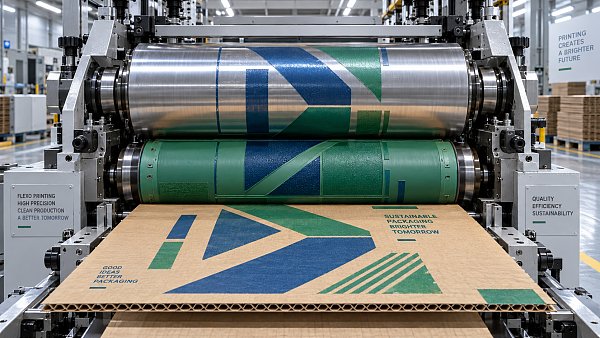
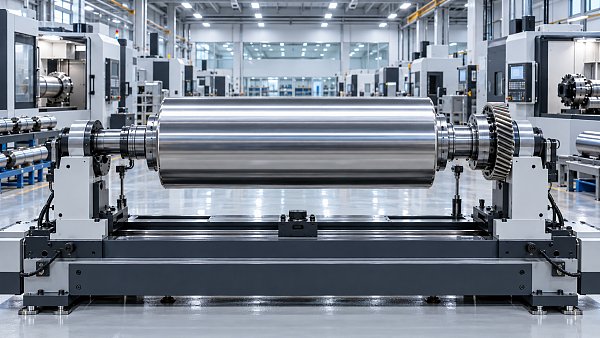
The anilox roller is the primary metering device in flexographic printing. It carries a controlled volume of ink to the plate, so its cell volume, engraving condition, cleanliness, and compatibility with the graphics determine how much ink reaches the image. A worn, plugged, damaged, or incorrectly specified anilox makes consistent printing difficult even when the ink itself is within target condition.
For solid areas, reverse type, fine screens, and barcode elements, the required ink transfer may differ. Using one anilox specification as a universal answer can cause predictable problems: too much film for fine work, insufficient coverage in solids, or an operator compensating with viscosity and pressure changes that destabilize the rest of the image.
The doctor blade and chamber system also deserve attention. Their purpose is not merely to scrape excess ink from the roller. A stable chamber helps maintain a controlled ink supply, reduces exposure to air, and limits splashing. Worn blades, poor end seals, damaged chambers, or incorrect blade settings can lead to leakage, air entrainment, streaks, and frequent stoppages. Each event creates more than housekeeping work; it may produce color shifts, dirty print, and discarded substrate.
Cleaning practices must preserve the anilox cells. Aggressive methods may remove dried ink but damage the roller surface or alter its effective volume. Gentle cleaning that leaves deposits is also a problem. The correct approach is a documented cleaning method suited to the roller, ink chemistry, and contamination level, followed by inspection rather than assumption.
Closed-loop delivery reduces variability and leftover ink
Open buckets and manual top-ups can work for limited runs, but they introduce avoidable variation in high-speed production. Ink viscosity changes as water or solvent evaporates. Foam can develop through excessive agitation. Contamination can enter through exposed containers, unclean tools, or mixed return ink. These changes are especially disruptive when a press is running fast enough that a short deviation produces a large amount of printed material before it is noticed.
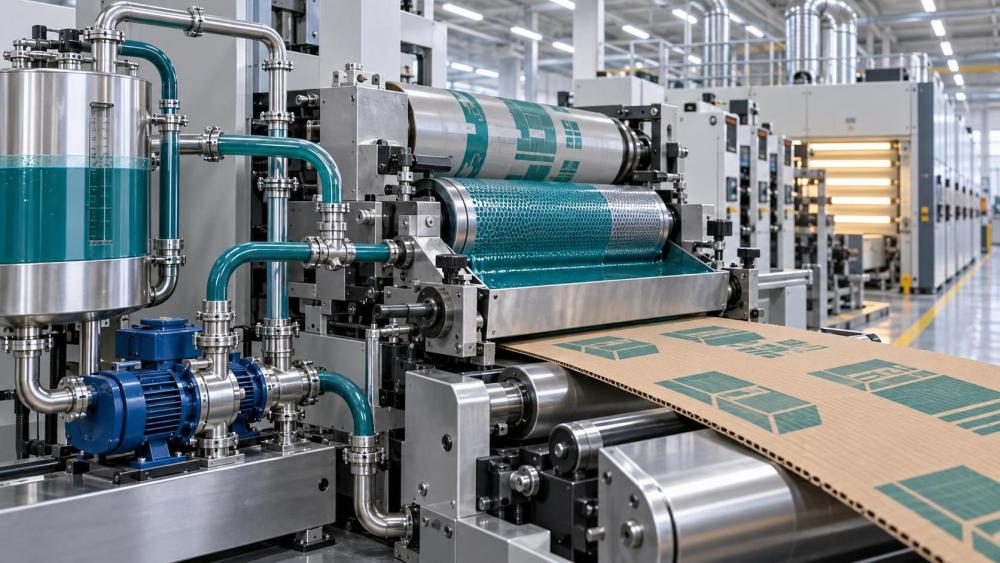
Enclosed circulation systems help by keeping the ink moving through controlled lines, chambers, pumps, and filtration. The benefit is not simply cleaner equipment. Stable circulation can reduce settling, prevent dry-out in exposed areas, and make ink condition easier to monitor. Properly designed return paths can also reduce the volume of usable ink stranded in the system after a job.
Automation should be judged by the loss it prevents. A viscosity control loop, for example, is valuable when it responds consistently to process changes and does not overcorrect. Automated replenishment is useful when additions are traceable and compatible with the ink supplier’s operating range. Filtration helps when it removes debris without restricting flow or becoming an overlooked maintenance point.
The best system is not always the one with the most automation. Short-run operations with frequent color changes may benefit more from compact, easy-to-flush circuits and accurate batch identification than from a large central ink room with long pipe runs. Long runs with stable colors may justify larger recirculation capacity and automated condition control. System design should follow job patterns, not equipment fashion.
Color control should prevent rejects before they accumulate
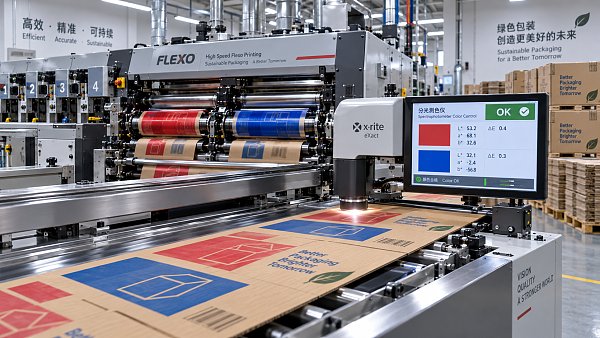
At high speed, visual inspection alone is too slow to manage every color shift. By the time an issue is obvious at delivery, a substantial amount of material may already require sorting or disposal. Defined color targets, approved drawdowns, controlled samples, and measurement routines allow deviations to be detected earlier and discussed using the same reference.
Color control is most effective when it is linked to process conditions. A density or color difference outside the job target may result from ink condition, anilox contamination, plate wear, substrate variation, press pressure, drying changes, or registration movement. Adjusting ink first without checking these relationships can increase waste and delay root-cause correction.
Inline inspection adds value where the consequence of a missed defect is high, such as variable codes, barcode readability, pharmaceutical carton information, or repeat brand graphics. It should be configured around meaningful defect criteria. An inspection system that flags harmless variation too often may create unnecessary stops and inspection labor; one with loose thresholds may allow costly defects through. The target is usable detection, not the maximum number of alarms.
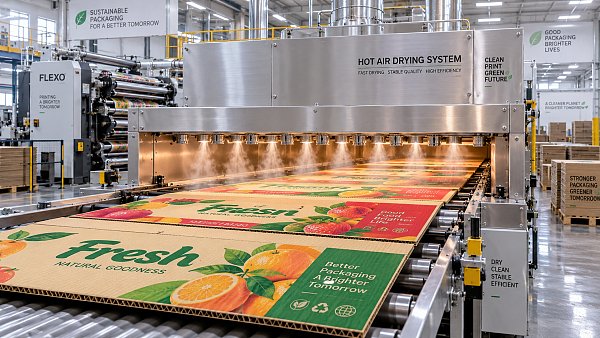
Drying is part of the ink system, not a downstream detail
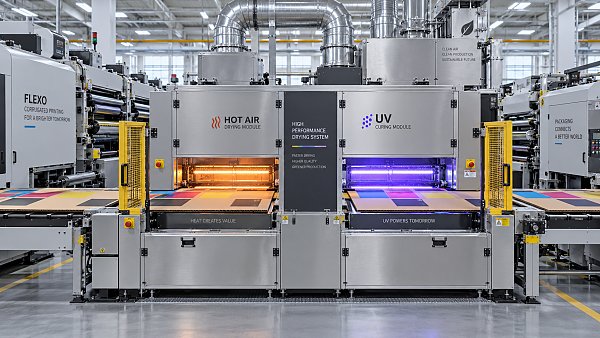
Ink that looks acceptable at the print unit can still fail after rewinding, stacking, die-cutting, folding, or transport. Inadequate drying may cause blocking, offsetting, odor issues, poor rub resistance, or contamination of downstream equipment. Excessive heat or airflow can create a different problem: surface disturbance, substrate distortion, unnecessary energy use, or overly rapid drying on the anilox and plate.
Drying performance must be considered alongside ink film thickness. When coverage is poor, increasing ink laydown may seem like a fast correction, but it can push the job outside its drying window. It is usually better to review anilox selection, plate condition, print settings, and ink formulation before increasing volume.
Changes in paper grade and corrugated board can also affect drying. Surface absorbency, liner condition, moisture balance, coating, and board construction alter how the ink sets. A process that is stable on one substrate may need different ink or drying settings on another. Recording those relationships by job type makes future setup faster and reduces trial-and-error waste.
Safe ink handling supports waste reduction
Safety and material efficiency often improve together. Spills, uncapped containers, leaking hoses, and uncontrolled wash-up create exposure risks while wasting ink and cleaning media. Clear identification, compatible containers, enclosed transfer where practical, maintained seals, and defined cleaning stations reduce both process loss and handling uncertainty.
Compatibility matters across the entire system: ink, additive, cleaner, hose, pump seal, filter, chamber component, and personal protective equipment. An unsuitable cleaning product can damage seals, create residue, alter later ink behavior, or increase the burden of waste handling. Mixing leftover inks without a defined compatibility and traceability process can also produce off-shade material that cannot be reused reliably.
Residual ink should be classified by whether it can remain in the same job, be returned to a controlled inventory, be reformulated under an established process, or must be managed as waste. The decision should be based on identity, contamination risk, age, and color requirement. “Saving” every remaining quantity is not a material-efficiency strategy if it later causes an entire batch of rejected packaging.
Build the control plan around recurring loss points
Waste reduction becomes manageable when the press team can connect each loss to a measurable event. Rather than recording only total scrap, capture the reason for scrap during start-up, running production, and changeover. Pair that with ink additions, viscosity adjustments, wash-up volume, anilox cleaning records, and inspection findings. The resulting pattern usually identifies whether the main issue is material selection, machine condition, setup discipline, or monitoring response.
Before investing in a new Flexographic Ink System, establish a baseline for the current process. Identify the highest-cost waste event, the jobs where it appears, and the conditions that precede it. A recurring issue on heavy solids may require a different response from waste caused by short-run color changes or dried ink in long circulation lines.
For packaging plants assessing broader press, inspection, or automation upgrades, CPCS provides practical context on flexographic presses, water-based inks, anilox management, registration control, vision inspection, and connected production systems. The relevant question is not whether a component sounds advanced, but whether it removes a proven source of variation in the existing production flow.
The most reliable path to lower waste is a controlled sequence: select ink for the actual application, meter it accurately, maintain stable delivery, verify color and drying early, and design cleaning around recovery and safety. When those controls work together, high-speed printing becomes easier to stabilize and less dependent on repeated correction at the press.
Related News
 How an Impression Roller for Flexo Printing Affects Print QualityDiscover how an impression roller for flexo printing influences ink transfer, dot gain, alignment, and print consistency. Learn practical setup and troubleshooting tips.Print Fluidics Scientist
 Why Color Measurement Systems Matter for Consistent Flexo PrintingColor Measurement Systems help flexo printers achieve consistent brand colors, reduce waste, improve traceability, and protect packaging quality across every production run.Print Fluidics Scientist
 What to Check Before Choosing a Print Dryers Supplier for Your PressPrint dryers supplier selection guide: compare drying methods, press integration, energy use, maintenance, safety, and support to improve print quality and uptime.Print Fluidics Scientist
 How to Compare Web Tension Controller Manufacturers for Flexo PressesWeb tension controller manufacturer comparison guide for flexo presses: assess stability, sensing, integration, service, and real-world substrate performance.Print Fluidics Scientist
 How Hot Air Print Dryers Improve Ink Drying on Flexo LinesHot air print dryers improve flexo ink drying with balanced airflow, controlled heat, and reliable results for faster packaging production.Print Fluidics Scientist
 How to Choose a Plate Cylinder Manufacturer for Reliable Print QualityChoose a reliable plate cylinder manufacturer with proven precision, balance control, material expertise, and press compatibility for consistent print quality.Print Fluidics Scientist