When High Volume Anilox Sleeves Deliver Better Flexo Print Consistency
When High Volume Anilox Sleeves Deliver Better Flexo Print Consistency
For high-output flexographic operations, print consistency is rarely controlled by one setting alone. Plate condition, ink viscosity, doctor blade contact, press speed, substrate absorbency, drying capacity, and operator practice all influence the result. Yet the anilox sleeve remains one of the most direct controls over how much ink reaches the plate. In the right application, high volume anilox sleeves can reduce density variation, support fuller solids, and make long production runs more predictable. In the wrong application, they can increase drying demand, cause dirty type, weaken barcode edges, or make color correction harder rather than easier.
The useful question is not whether a higher-volume sleeve is inherently better. It is whether the selected volume provides a stable ink film for a specific combination of artwork, plate, ink system, substrate, and press condition. That distinction matters especially in corrugated post-print, paper packaging, and other production environments where changing board grades, high line speeds, and frequent order transitions create pressure on both quality control and safe operating discipline.
A sleeve that appears to solve a pale solid on one job may create excessive ink laydown on the next. Consistency comes from matching the metering system to the process window, then verifying that the sleeve continues to perform within that window after repeated cleaning and handling.
What “High Volume” Actually Means on Press
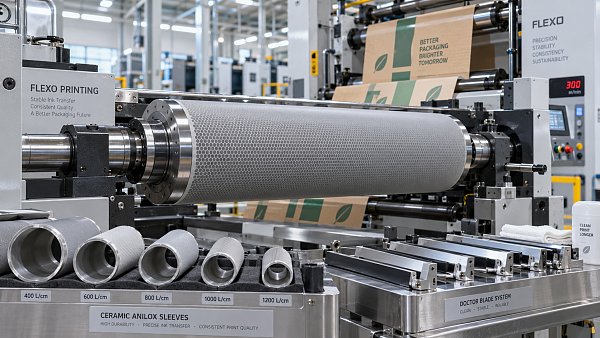
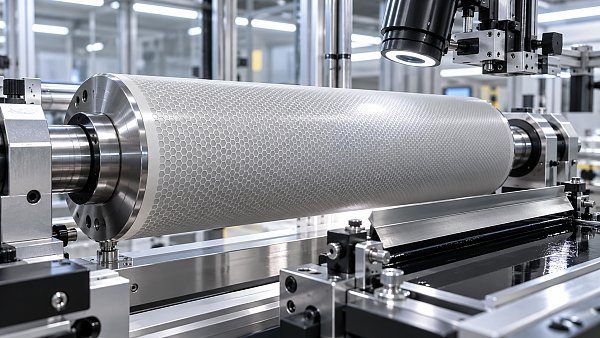
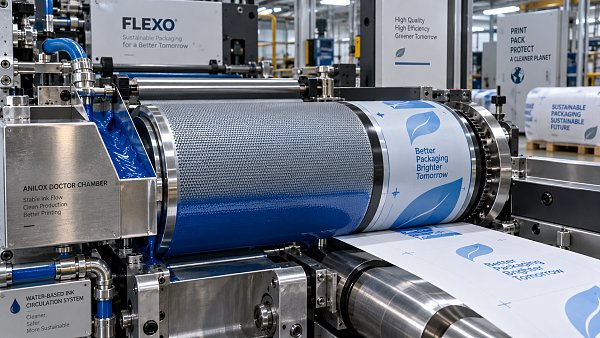
An anilox sleeve stores ink in engraved cells and presents that ink to the printing plate after excess ink is removed by the doctor blade system. Volume refers to the theoretical ink-carrying capacity of those cells over a defined area. Suppliers may express it in different unit systems, so direct comparisons should always confirm the measurement basis and units rather than rely on a description such as “high volume.” A sleeve with a lower line screen and deeper or more open cells will generally carry more ink than one designed for fine process work.
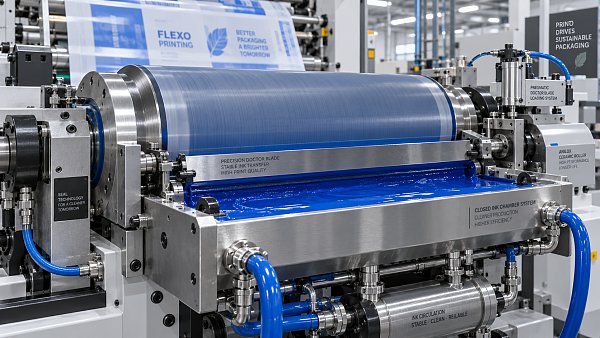
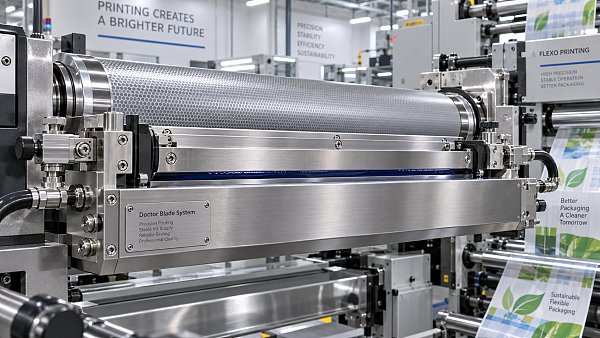
That stored volume is not identical to the amount deposited on the substrate. Real transfer is affected by cell geometry, ceramic surface condition, ink rheology, doctor blade effectiveness, plate relief, impression, press speed, and the absorption or coating of the substrate. A corrugated liner, for example, may require a different ink film from a coated folding-carton board even when the target color appears similar in the approved artwork.
For quality teams, the practical concern is repeatability. If the press needs frequent viscosity correction, blade adjustment, or impression changes to maintain a solid density, the issue may not be a single variable. It may indicate that sleeve volume is too close to the edge of the process window—or that contamination and wear have changed its effective capacity.
Where Additional Ink Capacity Can Improve Consistency
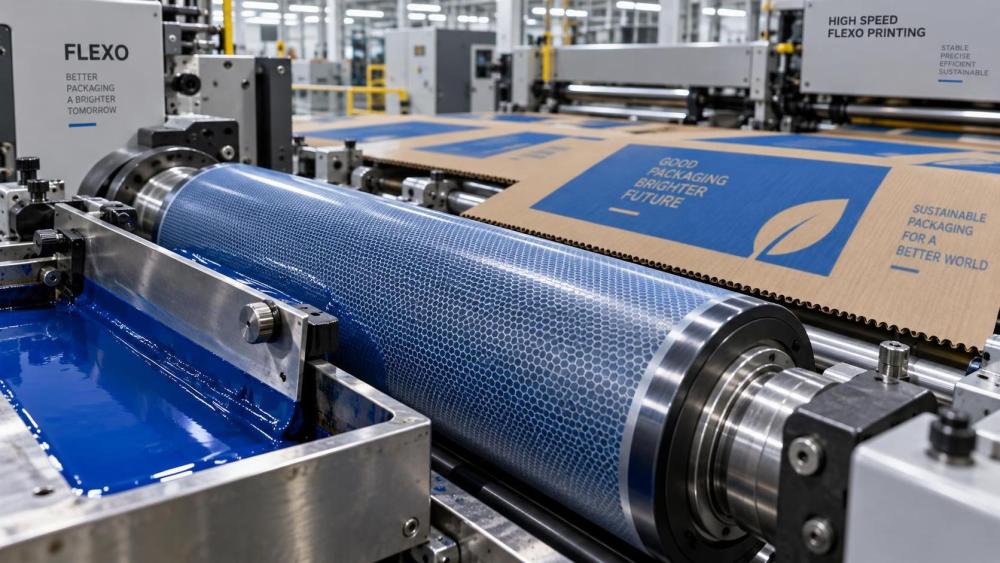
High volume anilox sleeves are often considered when a job demands strong solid coverage, opaque inks, heavy coatings, or an ink film that must remain visually stable over a relatively absorbent substrate. In corrugated post-print, broad brand panels and bold graphics can expose small changes in ink transfer quickly. A sleeve with insufficient capacity may produce weak density at the start of a run, then tempt the operator to compensate through viscosity, pressure, or other controls that introduce new variation.
A more suitable sleeve can make the process less sensitive. When it supplies enough ink without requiring aggressive adjustment, density may hold more steadily across a run and from one repeat order to another. This does not mean that “more ink” is always the goal. It means that the ink film is adequate for the intended graphic and substrate without forcing other process variables outside their preferred operating range.
The strongest candidates are commonly jobs involving:
- large solid areas where visual density and uniformity matter more than fine highlight detail;
- white, metallic, opaque, or highly pigmented inks that need a more substantial film;
- water-based flexographic printing on absorbent papers or corrugated liners;
- coatings or varnishes where consistent coverage is more important than fine image resolution;
- repeat packaging programs where color control depends on a stable, documented press setup.
In these situations, the benefit is operational as much as visual. More predictable transfer can reduce the need for reactive correction during a high-speed run. It can also make approved drawdowns, press targets, and retained production records more meaningful because the process is not being continually rebalanced by the press crew.
Why Higher Volume Can Also Create Defects
A high-volume specification becomes a liability when it is applied to detailed graphics, fine reverse type, small barcode elements, or substrates that cannot absorb or dry the delivered ink film efficiently. Excess ink can fill in fine features, broaden line edges, increase mottling risk, and leave insufficient drying margin before downstream converting. On corrugated material, this can become visible later in the process as scuffing, set-off, poor rub resistance, or irregular appearance after die-cutting and folding.
Barcode performance deserves particular attention. A barcode may look dark and visually acceptable while still suffering from edge gain, voids, or inconsistent contrast. The anilox sleeve is only one contributor, but an excessive ink film can make control more difficult. Verification should therefore be based on the barcode specification and the customer’s acceptance method, not only on a subjective visual assessment at the press.
High-volume sleeves also place demands on drying and ink management. Water-based systems may require careful control of viscosity, pH where applicable, temperature, and evaporation. UV systems have different concerns, including cure verification, substrate behavior, and the suitability of the ink film for the curing system. A sleeve change should not be treated as an isolated print-unit decision. It can affect dryer loading, energy use, odor management, product handling, and the release point to converting or palletizing.
Volume Is Only Reliable When It Is Measured and Traceable
A sleeve inventory described only by color, press position, or a handwritten job reference is difficult to control. Good practice is to maintain a record that links each sleeve to its nominal volume, line screen, engraving geometry where supplied, face length, repeat or circumference, manufacturer identification, service history, and approved applications. The record should also show how volume was stated or measured. Different methods can produce results that are not directly interchangeable, which is why the supplier’s technical documentation and internal measurement approach should be reviewed together.
The important point is not to create unnecessary paperwork. It is to prevent a familiar but costly problem: two sleeves are assumed to be equivalent because their labels look similar, yet they deliver noticeably different print results. This can happen through original specification differences, cell damage, plugging, polishing, inconsistent cleaning, or simple identification error.
For critical brand colors, pharmaceutical cartons, food-contact packaging applications, or code-bearing work, a control plan should define the release criteria that matter to the product. These may include approved color targets, visual defect limits, barcode verification, legibility, rub resistance, drying or cure checks, and sample retention. The exact requirements depend on the job, customer specification, ink system, and applicable site procedures. Anilox data supports that plan; it does not replace it.
Cleaning Is a Quality Control Process, Not Just Maintenance
A nominal high-volume sleeve can gradually behave like a lower-volume sleeve when dried ink, coating residue, or cleaning chemistry deposits remain inside the cells. The visual surface may appear clean while the cell openings are partially restricted. This is one reason why density loss should not automatically trigger a change in ink formulation or press pressure. A structured inspection and cleaning review may reveal that the sleeve is no longer delivering its intended capacity.
Cleaning methods must be compatible with the sleeve construction, engraving, ink chemistry, and the equipment manufacturer’s instructions. Mechanical damage, excessive chemical exposure, or uncontrolled high-pressure cleaning can harm the ceramic surface, end seals, or sleeve body. Safety is inseparable from this decision. Chemical handling, splash protection, ventilation, machine guarding, and lockout procedures should follow the plant’s risk assessment and local requirements. A cleaning process that restores print quality but exposes personnel to avoidable hazards is not an acceptable control method.
It is also wise to distinguish routine wash-up from periodic deep cleaning. Routine wash-up keeps the press ready for the next job. Periodic cleaning and inspection are intended to preserve measured performance over the sleeve’s service life. Those two tasks may involve different equipment, responsibilities, and verification records.
Build the Selection Around the Job, Not the Sleeve Label
Before approving a higher-volume sleeve for production, review the complete application: artwork detail, solid coverage, plate type, ink supplier guidance, substrate surface, target density or color values, press speed, doctor blade configuration, drying capacity, and downstream handling. A controlled press trial is usually more informative than choosing solely from a historical volume chart. Record the settings that produced the approved sample, including the sleeve identification and the conditions under which it ran.
This approach is particularly valuable in plants moving between short-run branded work and longer corrugated packaging runs. The same press may print jobs with very different tolerance for density change, dot gain, and drying variation. A sleeve library designed around actual job families is generally easier to manage than one built around broad descriptions such as “coarse,” “standard,” or “high volume.”
CPCS examines flexographic presses, anilox systems, doctor blades, inspection equipment, color management, converting, and packaging plant automation as connected production controls rather than isolated equipment categories. That system view is useful when a print inconsistency appears to be an anilox issue but is actually linked to ink preparation, drying, inspection criteria, or job-data discipline.
High volume anilox sleeves deliver better flexo print consistency when they provide enough ink to stabilize the intended graphic without overwhelming detail, drying, or downstream handling. The most dependable decision is one supported by documented sleeve specifications, disciplined cleaning, controlled trials, and product-specific release checks. If those records do not yet exist, establishing them for the most demanding repeat jobs is usually a more practical starting point than replacing sleeves based on appearance alone.
Related News
 How to Choose an Anilox Sleeve Supplier for Consistent Print QualityChoose an anilox sleeve supplier with proven engraving control, reliable sleeve construction, and expert support to achieve consistent print quality and lower waste.Print Fluidics Scientist
 How to Choose an Ink Viscosity Sensors Supplier for Flexo PrintingChoose an ink viscosity sensors supplier for flexo printing with confidence. Compare ink compatibility, installation, calibration, controls, and service support to improve color consistency and reduce waste.Print Fluidics Scientist
 How Ink Metering System Manufacturers Improve Anilox Ink ControlInk metering system manufacturer insights: improve anilox ink control with stable blade loading, reliable seals, and efficient circulation for cleaner flexo printing.Print Fluidics Scientist
 Is Ceramic Anilox Roller Damage Repairable Without Affecting Print Quality?Is ceramic anilox roller damage repairable? Learn when cleaning, restoration, re-engraving, or replacement can protect consistent print quality.Print Fluidics Scientist
 How to Evaluate a Doctor Blade Holder Manufacturer for Flexo PressesDoctor blade holder manufacturer evaluation guide for flexo presses: compare design, sealing, materials, service, and lifecycle cost to improve uptime and print quality.Print Fluidics Scientist
 How Ceramic Rollers for Flexo Presses Reduce Wear and Ink VariationCeramic rollers for flexo press applications reduce wear and ink variation. Explore practical cleaning, inspection, and maintenance tips for stable print quality.Print Fluidics Scientist