When Ceramic Anilox Sleeves Deliver Better Ink Transfer Control
Ceramic Anilox Sleeves improve ink transfer control when the press needs to deliver a repeatable, measured ink film rather than simply carry enough ink to make an image visible. They are particularly useful when operators are fighting uneven solids, unstable density, plug-in detail, dirty reverses, or color drift as press speed changes. The sleeve itself is not a cure for every print defect, but a correctly specified and well-maintained ceramic surface gives the ink metering system a more consistent starting point.
For flexographic printing on corrugated board, paper packaging, labels, and flexible substrates, the practical question is not whether ceramic is inherently “better.” The question is whether the current job requires more control over cell volume, release behavior, wear resistance, and repeatability than the existing anilox system can provide.
Where better ink transfer makes a visible difference
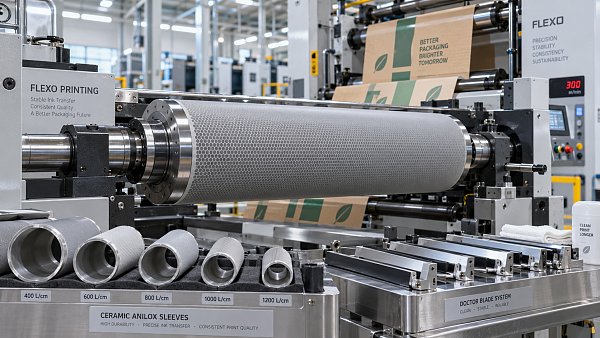
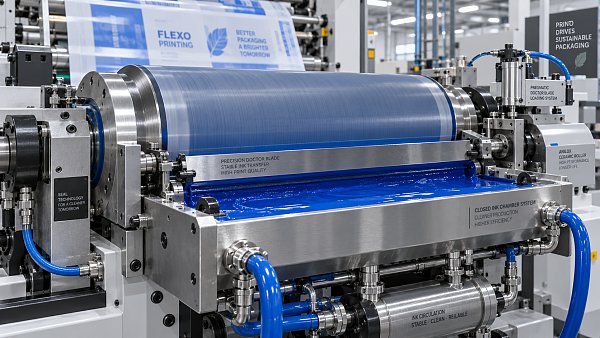
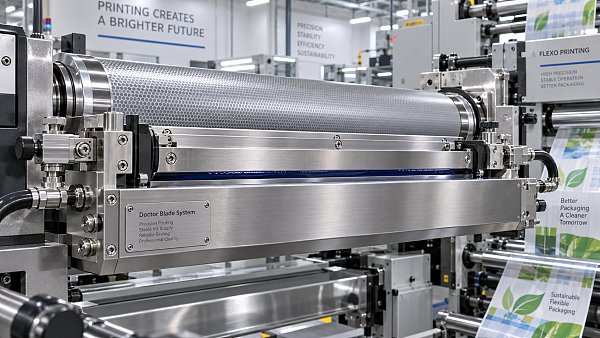
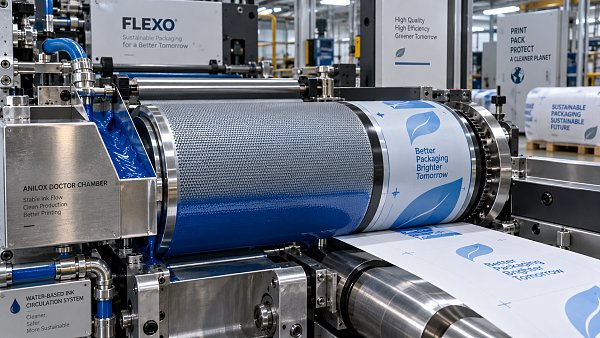
An anilox sleeve carries a controlled amount of ink from the chamber or doctor blade system to the printing plate. Its engraved cells fill with ink, excess ink is metered away, and the remaining ink is released to the plate during contact. Small changes in cell condition, volume, engraving geometry, blade contact, ink viscosity, or cleaning quality can alter the ink film before the substrate ever reaches the impression nip.
Ceramic Anilox Sleeves are most valuable when that variation becomes commercially or operationally costly. A broad solid color may look acceptable with a less precise anilox in a low-demand shipping carton job. The same inconsistency becomes a problem when a brand color must remain stable across repeat orders, when fine type and barcodes share the same print unit, or when an operator must hold quality through a long run at higher speed.
The stronger case for a ceramic sleeve usually appears in these situations:
- Large solid areas show mottling, light bands, or density variation that cannot be explained by plate damage or substrate changes.
- Fine text, line work, highlights, or small barcode elements begin to fill in because too much ink is reaching the plate.
- Color matching changes noticeably between setup, production speed, and restart conditions.
- A frequent-job press needs predictable repeatability so operators do not rebuild settings from scratch for every order.
- The anilox surface is exposed to regular doctor blade contact, aggressive cleaning cycles, or ink systems that make surface durability important.
- Shorter runs and frequent changeovers make setup waste and troubleshooting time more expensive than they once were.
In each case, the benefit comes from control rather than from the material name alone. Ceramic provides a hard, engravable coating that can retain a defined cell pattern under normal operating wear. That makes it possible to choose sleeve specifications more closely around the image and ink demand of a job.
Ink volume is only one part of the decision
A common mistake is to treat a higher-volume anilox as the answer to weak solids and a lower-volume anilox as the answer to excess ink. Volume matters, but it cannot be selected in isolation. Ink transfer also depends on cell shape, line screen, plate design, ink type, viscosity, pH where relevant, doctor blade condition, impression setting, substrate absorbency, and press speed.
For example, a corrugated liner can absorb ink differently from a coated paperboard sheet. A sleeve that produces a strong solid on one liner may deliver an overly heavy image on a smoother, less absorbent substrate. Similarly, a plate with broad solid areas has a different ink demand from a plate dominated by fine line work. One sleeve specification rarely performs equally well across every color station and every product mix.
When a ceramic sleeve is selected only by volume, operators can unintentionally trade one problem for another. A sleeve designed for stronger laydown may make small reverse type harder to keep open. A finer engraving intended for detail may not support the desired solid density on a demanding substrate. The useful decision is based on the combination of image content, ink, plate, substrate, and production target.
Why ceramic surfaces help under demanding press conditions
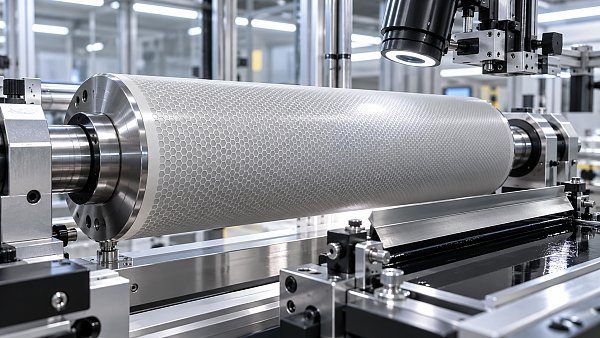
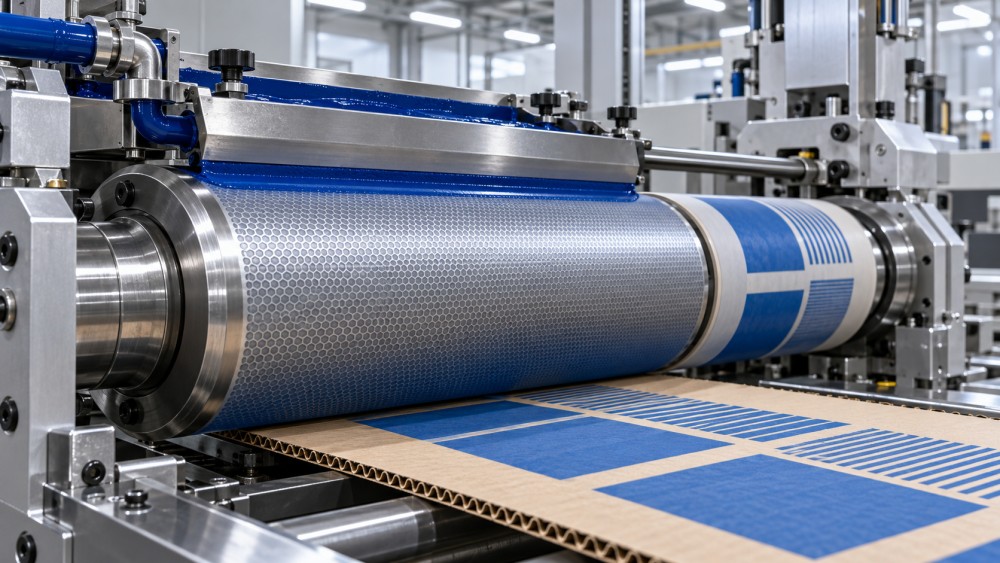
The operational advantage of ceramic is largely tied to surface consistency and resistance to wear. The anilox is in continuous contact with ink, cleaning chemistry, and a doctor blade system. As the surface condition changes, the amount of usable ink held and released by the cells can change as well. A durable ceramic coating helps preserve the intended engraving pattern, which supports more stable ink metering over repeated production cycles.
This matters most where the press is expected to hold quality through production rather than merely achieve an acceptable sample at startup. High-speed flexographic production amplifies variation: ink behavior can change, blades wear, temperature can affect flow, and substrate lots can respond differently. A controlled anilox surface will not eliminate these variables, but it reduces one important source of uncertainty.
Ceramic also enables a wide range of laser-engraved cell structures. That flexibility lets a printer align the sleeve more closely with the task, whether the job needs controlled ink for fine graphics, efficient laydown for solids, or a balanced approach for mixed artwork. The correct engraving should be evaluated as a process choice, not as a generic upgrade.
Jobs that usually justify a closer look
Brand-sensitive packaging is a strong candidate. When a carton, display, label, or shipping case must reproduce recognizable colors consistently, operators need a repeatable ink film before color management adjustments can be effective. If ink transfer varies from one run to the next, color correction becomes reactive and time-consuming.
Jobs containing both large solids and fine detail also deserve attention. This combination forces the press team to balance coverage against dot gain and plugged detail. It may require separate sleeve choices for different colors or artwork areas rather than a single standard specification across every station.
Water-based ink work on corrugated applications is another situation where process discipline matters. Board surface, absorbency, and run speed can influence the printed result quickly. A ceramic sleeve can support stable metering, but its performance still depends on clean cells, properly conditioned ink, an appropriate doctor blade system, and controlled print pressure.
Frequent repeat work can provide a practical reason to standardize around ceramic sleeves. Once a plant has documented a reliable sleeve, plate, ink, and press-setting combination for a job family, repeat orders become easier to prepare. The value is not simply reduced ink use; it is less uncertainty during make-ready and fewer subjective adjustments at the press.
Do not blame the sleeve before checking these causes
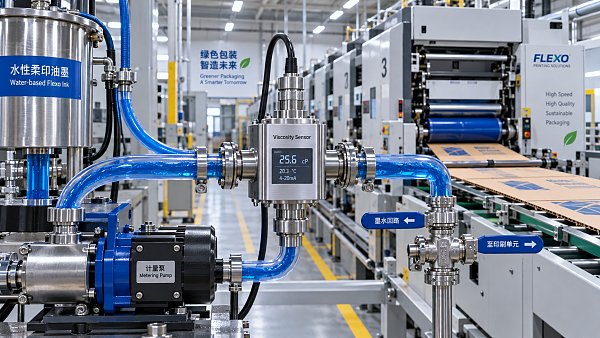
Anilox-related defects are often assumed to be an anilox-selection problem. In practice, several process issues can create similar symptoms. A dirty sleeve can behave like a lower-volume sleeve because dried ink, coating residues, or debris block cell capacity. A worn or incorrectly set doctor blade can leave excess ink on the surface, producing a heavier image even when the engraved volume is correct.
Plate mounting and impression settings matter just as much. Excessive impression can spread the printed dot, distort type, and make solids appear darker or dirtier. Reducing anilox volume to compensate may mask the underlying pressure problem while creating weaker performance elsewhere. Ink viscosity and condition should also be checked before changing hardware; a sleeve cannot meter predictably if the ink itself is outside the working window for the process.
Cleaning deserves particular attention. Ceramic sleeves are durable, not immune to plugging. A sleeve can look clean on the outside while retaining residue in the cells. If a previously stable job begins to require more ink adjustments, compare current results with the established job standard and inspect the sleeve condition before assuming that the engraving is no longer suitable.
A practical way to decide whether a ceramic sleeve is needed
Start with the defect or production goal, not with the sleeve material. Define whether the issue is solid coverage, fine detail, repeat color, startup waste, high-speed stability, or sleeve life. Then isolate whether the current limitation is caused by the anilox, the ink, the plate, the blade system, the substrate, or press settings.
- Review the artwork: identify large solids, fine reverses, small type, barcodes, screens, and color-critical areas.
- Record the substrate and ink system used for the job, including whether absorbency or drying behavior is driving the result.
- Inspect the current anilox for wear, plugging, damage, and evidence of inconsistent cleaning.
- Confirm doctor blade condition, chamber setup, plate mounting, and impression before changing sleeve specifications.
- Compare the desired print outcome with the current sleeve’s volume and engraving characteristics.
- Document the final successful combination so repeat jobs begin from a proven process baseline.
This sequence prevents an expensive but ineffective change. It also helps a plant build a usable anilox inventory based on real application needs instead of keeping multiple sleeves whose roles are unclear.
Where ceramic sleeves may not be the immediate answer
If print defects come from poor plate mounting, unstable ink preparation, damaged doctor blades, or inconsistent board quality, replacing the anilox sleeve may offer little improvement. The same is true when the job itself has modest graphics requirements and the existing system already delivers acceptable repeatability. A ceramic sleeve should be selected when its control and durability address a demonstrated production need.
Operators should also avoid assuming that the finest engraving always produces the sharpest print. Fine detail depends on the complete ink-transfer chain. A very fine cell pattern can be inappropriate for an ink, plate, or substrate combination that needs more available ink for uniform coverage. Better control means matching the sleeve to the job, not choosing the most technically demanding specification.
Make sleeve selection part of the print process
For packaging plants managing mixed corrugated and commercial print work, anilox choices affect more than appearance. They influence setup consistency, inspection results, barcode clarity, waste, and the ability to repeat approved packaging across orders. This is why flexographic press evaluation should consider sleeves alongside inks, doctor blade systems, color management, registration control, drying, and inspection rather than as an isolated consumable decision.
CPCS examines these connected production factors across flexographic printing and packaging operations because stable print quality is built from the interaction of equipment, materials, and operator control. For day-to-day press work, the most useful next step is simple: identify the jobs where ink variation repeatedly consumes time or creates quality risk, then compare their actual requirements against the condition and specification of the sleeves being used. That comparison usually makes clear whether ceramic anilox sleeves will provide meaningful control or whether the root cause lies elsewhere in the process.
Related News
 How to Choose an Anilox Sleeve Supplier for Consistent Print QualityChoose an anilox sleeve supplier with proven engraving control, reliable sleeve construction, and expert support to achieve consistent print quality and lower waste.Print Fluidics Scientist
 How to Choose an Ink Viscosity Sensors Supplier for Flexo PrintingChoose an ink viscosity sensors supplier for flexo printing with confidence. Compare ink compatibility, installation, calibration, controls, and service support to improve color consistency and reduce waste.Print Fluidics Scientist
 How Ink Metering System Manufacturers Improve Anilox Ink ControlInk metering system manufacturer insights: improve anilox ink control with stable blade loading, reliable seals, and efficient circulation for cleaner flexo printing.Print Fluidics Scientist
 Is Ceramic Anilox Roller Damage Repairable Without Affecting Print Quality?Is ceramic anilox roller damage repairable? Learn when cleaning, restoration, re-engraving, or replacement can protect consistent print quality.Print Fluidics Scientist
 How to Evaluate a Doctor Blade Holder Manufacturer for Flexo PressesDoctor blade holder manufacturer evaluation guide for flexo presses: compare design, sealing, materials, service, and lifecycle cost to improve uptime and print quality.Print Fluidics Scientist
 How Ceramic Rollers for Flexo Presses Reduce Wear and Ink VariationCeramic rollers for flexo press applications reduce wear and ink variation. Explore practical cleaning, inspection, and maintenance tips for stable print quality.Print Fluidics Scientist