What Determines the Cost of an Enclosed Doctor Blade System?
An enclosed doctor blade system cost is shaped by the size and configuration of the printing unit, the materials needed for the ink and cleaning process, and the work required to install it on the press. For a financial approver, the quoted chamber price is only the starting point: blades, end seals, cleaning, maintenance and production interruptions can materially change the cost over the equipment’s working life.
The strongest business case often comes from a press that runs frequently, handles costly ink or loses substantial time to cleaning and ink-system maintenance. A lower-priced, simpler configuration may be more economical on a lightly used press. The decision depends on the actual operating baseline and on whether the proposed system can deliver measurable savings under those conditions.
What drives the initial purchase price?
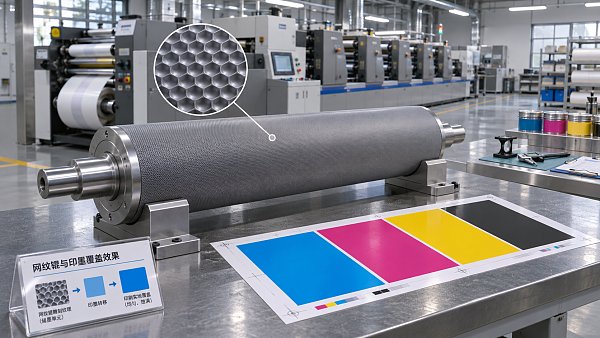
The chamber is sized around the press and its anilox roller. A wider printing unit generally requires a longer chamber and may need a more substantial support arrangement to maintain consistent contact. That affects material content and engineering requirements, although width alone does not explain the difference between two quotations.
Construction is another major variable. The chamber body, seals, fittings and other wetted components must be compatible with the ink, additives and cleaning chemicals used in production. A specification suitable for one water-based ink process may not be appropriate for another ink or cleaning regime. More demanding chemical or wear conditions can narrow the choice of materials and raise the price of the assembly or its replacement parts.
The number of print units included also changes the project value. A quotation for one chamber cannot be compared directly with a package covering every color station. Finance teams should establish whether the price includes one complete working system per unit, including blades, seals and mounting components, or only selected assemblies.
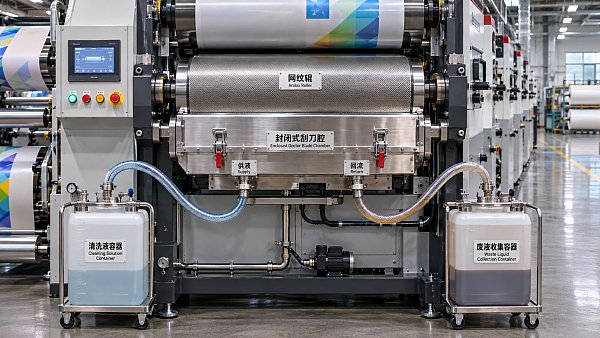
Features that reduce manual work can add to the purchase price. These may include systems for chamber positioning, ink circulation or cleaning. Their value depends on the existing press and the way orders are scheduled. An automatic cleaning function may be attractive where operators make frequent color changes; on a press with long, repetitive runs, its financial benefit may be less immediate.
Specifications should be tied to a defined production requirement. Paying for compatibility with inks or cleaning methods the plant does not intend to use may add little value. Equally, choosing components without checking the full range of planned inks can lead to replacement or modification costs later.
Installation can change the project budget
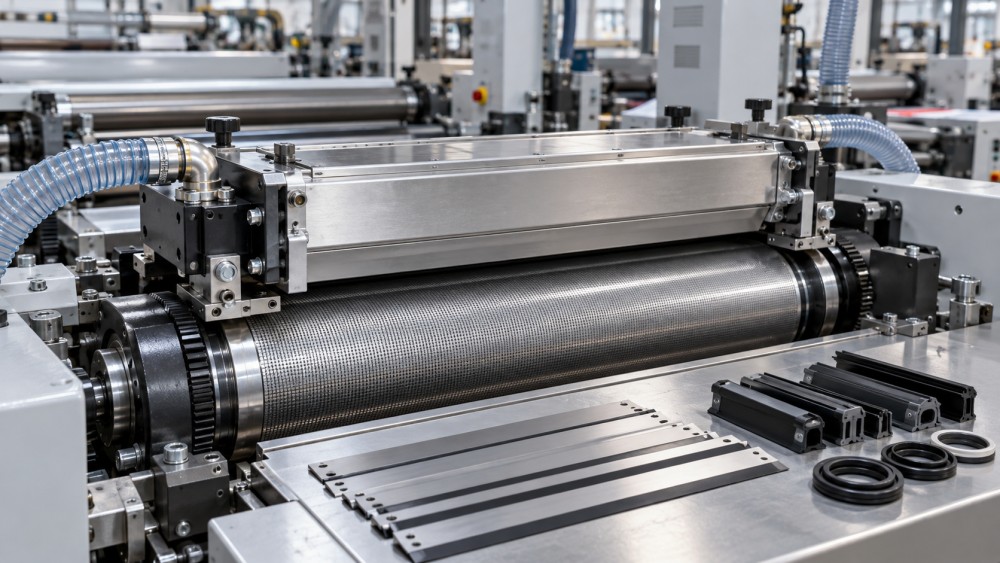
For a new press, an enclosed chamber may be included in the machine package, making its standalone cost difficult to isolate. For a retrofit, the purchase is more visible, but so are the interfaces with existing equipment. Mounting space, chamber access, anilox dimensions, ink supply connections and press controls can all affect the scope of work.
A retrofit proposal should identify whether it includes measurement, mounting hardware, hoses and fittings, control changes, installation, commissioning and operator training. The chamber supplier and press owner may assume different parties are responsible for removing existing equipment or modifying ink lines. Any gap can become an additional cost after approval.
Production downtime deserves a separate line in the budget. The relevant exposure is not simply the hours an installation crew spends on site; it is the production contribution lost, if any, during the period the press is unavailable. Work scheduled during an existing shutdown may have a different financial impact from work that displaces saleable production. A realistic estimate should include time for adjustment and initial operating checks, while avoiding double counting costs already included in the installation quote.
Access after installation matters as well. A chamber that fits physically but is awkward to reach can make routine blade changes or cleaning slower. Before approval, operations and maintenance staff should review the proposed layout, including the space required to remove parts and handle ink safely.
Operating costs often decide the economic case
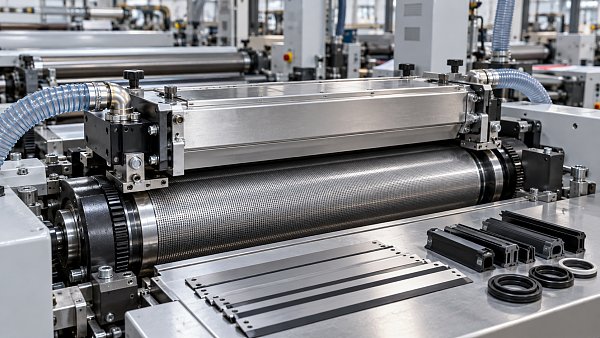
An enclosed system uses replaceable blades and end seals, and both their price and replacement frequency affect expenditure. Blade material, ink characteristics, anilox condition, press operating practices and print requirements can influence service life. A low unit price for a blade does not establish a low annual cost if it needs changing more often or takes longer to replace.
For budgeting, ask each supplier to identify the consumables required for the proposed configuration, their pack sizes, replacement procedure and current quoted prices. Use the plant’s own anticipated running hours and maintenance practice to estimate annual consumption. Where service life is uncertain, calculate a range rather than treating a supplier’s expected interval as a guaranteed result.
Cleaning costs include more than chemicals. They also include operator time, ink left in the system, disposal where applicable and any press time lost during a color or job change. Chamber geometry, the ink circuit and the cleaning method can influence these costs, but an enclosed design does not automatically reduce them in every application. A system with difficult access or an unsuitable cleaning arrangement may consume more labor than expected.
Ink savings require the same care. An enclosed chamber can help contain ink, but the financial benefit depends on the losses in the existing process and the amount of ink that can be recovered or reused without compromising quality. Do not credit the entire volume remaining in a circuit as a saving unless the plant can use that ink. Savings estimates should also account for any additional ink needed to fill the new circulation system.
Maintenance and spare-parts availability affect both expense and production risk. A proprietary seal or chamber component may perform well, yet its replacement price and delivery time can matter if there is no practical substitute. Finance should ask which parts are considered routine stock items, which repairs require specialist support, and what service is included in the quoted price. Lead times and service terms should be stated in the proposal rather than assumed.
Compare proposals on the same cost boundary
A chamber price is useful only when the scope is clear. Two offers can differ because one includes a complete ink circuit and commissioning while the other prices the chamber body alone. Before comparing totals, put each offer on a common basis: same number of print units, same press configuration, same ink and cleaning requirements, and the same installation responsibilities.
A practical approval model can group costs into four categories:
- Equipment: chambers, mounting assemblies, ink-system components, controls and any agreed options.
- Implementation: engineering, modifications, installation, commissioning, training and production interruption.
- Recurring expenditure: blades, seals, cleaning materials, spare parts and external service.
- Operating effects: changes in ink use, labor, changeover time, waste and productive press availability.
Use the same evaluation period for every option and include the expected residual or replacement position only where it can be supported. Tax treatment, financing costs and discount rates should follow the company’s investment policy. For a retrofit, include the cost of keeping the existing arrangement in the comparison; approving a new chamber should be measured against the realistic alternative, not against zero cost.
A simple annual net benefit can be calculated as verified or reasonably estimated annual savings minus the additional annual operating cost. Initial project cost divided by that net benefit gives a simple payback period when the benefit is positive. This measure is useful for screening, but it ignores the timing of cash flows and costs beyond the payback point. For a larger investment, a discounted cash-flow comparison can show how replacement parts, service and expected benefits affect value over the selected period.
Avoid counting the same improvement twice. For example, faster cleaning may release operator time and press time, but it should only be valued as additional production if there is demand and sufficient downstream capacity to use that time. If the press would otherwise be idle, the labor benefit may still exist, while the assumed contribution from extra output may not.
Where the approval case is most sensitive
Run volume and changeover frequency can have more influence on the investment case than a modest difference in chamber price. A high-utilization press with frequent color changes has more opportunities to recover cleaning time. A long-run operation may instead place greater weight on consistent operation, consumable life and the cost of an unplanned stoppage. A spare or intermittently used press may not generate enough annual savings to justify optional automation.
Print-quality benefits should be handled carefully. A well-specified system may support consistent ink metering, but the finished result also depends on the anilox, ink, plates, substrate, press condition and operating controls. Unless the plant has a defensible baseline for defects and a reasonable way to attribute an improvement to the chamber, treat reduced rework as a potential benefit rather than a guaranteed saving.
Test the calculation against a few changes in assumptions: shorter blade life, lower ink savings, longer installation time or fewer productive hours recovered. This shows which assumptions determine approval and where a trial, a clearer supplier commitment or additional engineering review would be most useful. It also prevents a precise-looking payback figure from concealing a wide range of possible outcomes.
Before releasing funds, the approver should have a defined equipment scope, an installation responsibility matrix, a consumables schedule and an operating-cost comparison against the existing process. The preferred proposal is the one that meets the press requirements at an acceptable total cost, with benefits the plant has a credible opportunity to realize.
Related News
 How Do I Choose Anilox Roller Volume for Solid Coverage?How do I choose anilox roller volume for solid coverage? Discover practical testing tips to achieve even ink coverage, reliable color and efficient production.Print Fluidics Scientist
 How to Choose Anilox Sleeves for Flexo PrintingChoose anilox sleeves for flexo printing with confidence. Compare cell volume, screen count, press fit and trial results to improve print consistency.Print Fluidics Scientist
 How Does a Chamber Wash-Up System Clean a Flexo Press?Discover how a chamber wash up system for flexo press cleans ink paths and anilox surfaces, improves color changeovers, and helps prevent contamination.Print Fluidics Scientist
 What Determines the Cost of an Enclosed Doctor Blade System?Enclosed doctor blade system cost depends on equipment, installation and upkeep. Compare lifetime costs and build a stronger business case.Print Fluidics Scientist
 How Often Should Doctor Blades Be Replaced on a Flexo Press?How often should doctor blades be replaced on a flexo press? Discover key wear signs and scheduling tips to reduce waste, protect your anilox, and maintain consistent print quality.Print Fluidics Scientist
 How to Choose an Anilox Sleeve Supplier for Consistent Print QualityChoose an anilox sleeve supplier with proven engraving control, reliable sleeve construction, and expert support to achieve consistent print quality and lower waste.Print Fluidics Scientist