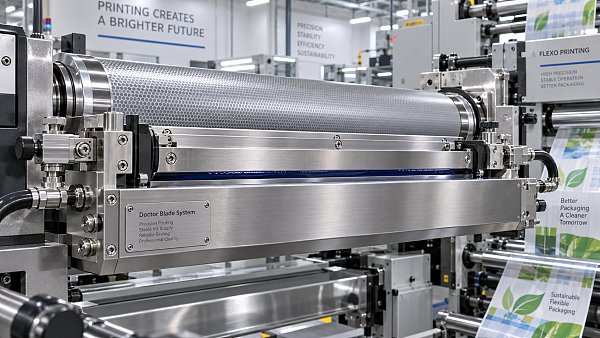
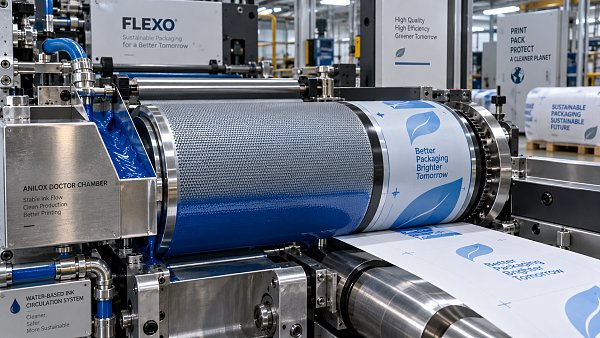
Selecting a doctor blade holder manufacturer for flexo presses requires more than comparing catalog prices. Procurement teams need evidence that the holder will protect print quality and operating continuity.
The strongest supplier is usually not the one offering the lowest unit price. It is the manufacturer that provides consistent clamping, reliable sealing, practical serviceability, and predictable replacement support.
For packaging printers, a poorly matched holder can create ink leakage, uneven wiping, excessive blade use, cleaning delays, and avoidable press downtime. Evaluation should therefore combine technical and commercial criteria.
Start With the Press and Production Requirements
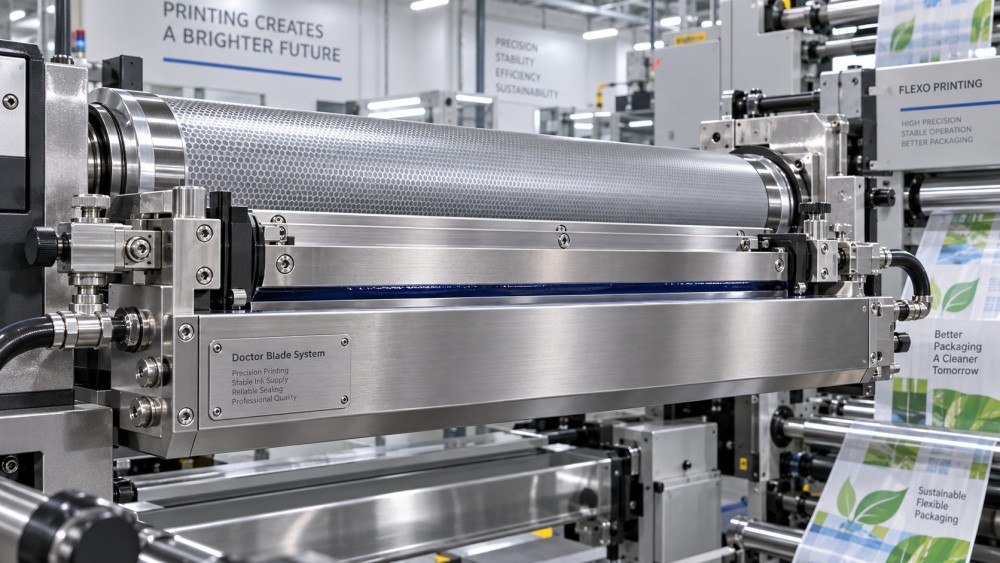
Before contacting a doctor blade holder manufacturer, define the actual press configuration. Record the anilox roller dimensions, chamber style, print width, operating speed, ink type, and current holder arrangement.
Flexographic presses vary significantly between narrow-web label production, wide-web flexible packaging, and corrugated post-printing. A holder designed for one environment may not deliver stable results in another.
Buyers should also identify the main production problem behind the sourcing project. Common concerns include ink spitting, dirty printing, frequent seal replacement, difficult cleaning, uneven blade wear, or poor color consistency.
Ask production managers for data rather than relying only on general complaints. Blade consumption, wash-up time, leakage incidents, press stops, and rejected print volume provide a useful evaluation baseline.
A manufacturer can recommend a suitable system only when it understands these operating conditions. Clear requirements prevent suppliers from proposing generic holders that look compatible but perform poorly in service.
Evaluate Holder Design for Stable Blade Contact
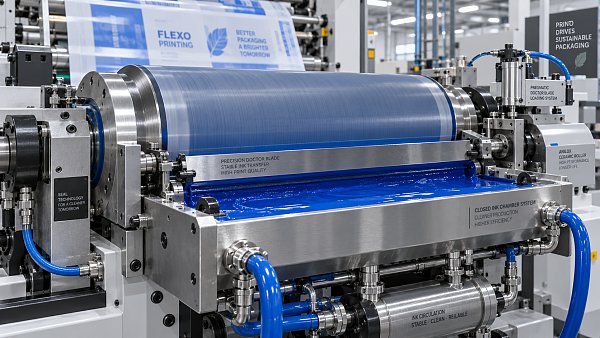
The holder's core function is maintaining controlled, even blade contact against the anilox roller. Small variations in pressure can affect ink metering, print density, streaking, and anilox cleanliness.
Examine how the holder distributes clamping force across its full length. Robust designs use accurate support surfaces and repeatable fastening methods to avoid localized pressure points or blade distortion.
Ask whether the manufacturer specifies recommended blade protrusion, blade thickness, and clamping torque. Suppliers that can explain these relationships generally have stronger application knowledge and documented engineering practices.
Long holders for wide-web presses require particular attention. Thermal movement, structural deflection, and inconsistent clamping can create uneven doctoring across the web, especially at higher production speeds.
Request drawings, cross-sectional profiles, and tolerance information where appropriate. These documents help engineering teams verify whether the holder will fit existing chambers, brackets, loading systems, and operator workflows.
Check Chamber Sealing and Leakage Control
For enclosed chamber systems, sealing performance is a major purchasing criterion. Ink leakage increases waste, housekeeping work, safety risk, and the chance of contamination around the printing unit.
A reliable holder manufacturer should offer seals matched to the chamber geometry, anilox surface, ink chemistry, running speed, and pressure conditions. One universal seal material rarely suits every application.
Ask about available end-seal materials and their intended uses. Foam, felt, rubber, polyurethane, and engineered composite options can differ substantially in durability, friction, and chemical resistance.
Inspect how seals are retained and replaced. A design that requires excessive adjustment or awkward access can turn a small consumable replacement into a long and inconsistent maintenance task.
Suppliers should be willing to discuss expected seal life in comparable applications. Exact lifetime cannot be guaranteed, but practical reference ranges reveal whether recommendations are based on field experience.
Match Materials to Inks, Washes, and Cleaning Methods
Material compatibility should be reviewed as a system, not only for the doctor blade. The holder body, clamps, seals, fasteners, gaskets, and fittings may all contact ink or wash chemicals.
Water-based inks, solvent-based inks, UV inks, coatings, and aggressive cleaning fluids create different corrosion and swelling risks. Procurement specifications should identify every relevant liquid used on press.
Aluminum, stainless steel, engineered plastics, and coated components may all be suitable depending on the environment. The important question is whether the manufacturer can justify its material selection.
Request chemical compatibility guidance in writing, particularly when using high-pH cleaners, strong solvents, or specialty coatings. Informal assurances are insufficient when a failed component can stop production.
Also consider cleaning temperature and duration. Components that tolerate short exposure may still degrade when operators regularly soak chambers, holders, or seals during extended wash-up procedures.
Assess Blade Changeover Speed and Operator Safety
Blade replacement is a routine task, but its cost becomes significant on presses with frequent job changes. A practical holder should allow quick, accurate blade installation without unnecessary adjustments.
Review whether operators can access clamps safely while the chamber is removed or positioned for maintenance. Sharp blades, ink residue, confined space, and heavy assemblies all influence handling risk.
Some holder systems use quick-release mechanisms, while others use screws or continuous clamping bars. Neither approach is universally superior; reliability, cleaning access, and repeatability matter more than novelty.
Ask suppliers to demonstrate a complete blade and seal change. Measure the actual procedure, required tools, adjustment steps, and cleaning effort instead of accepting a simple catalog claim.
Procurement teams should involve experienced press operators in this review. Their feedback often identifies ergonomic problems that engineering drawings and supplier presentations fail to reveal.
Verify Manufacturing Quality and Process Control
A doctor blade holder manufacturer should demonstrate control over machining, assembly, inspection, and final testing. Surface accuracy and straightness are especially important for consistent blade loading across the press width.
Ask where critical components are made and how dimensional consistency is verified. Outsourced production is not automatically a concern, but the supplier must maintain clear quality ownership.
Useful evidence includes inspection records, calibration practices, material traceability, incoming inspection standards, and documented corrective-action procedures. These indicators are more meaningful than a broad quality statement alone.
For custom-length holders, clarify how straightness is measured after fabrication and before shipment. Long assemblies can be damaged during handling, storage, transport, or installation if packaging is inadequate.
When evaluating new suppliers, request samples or trial units for a representative press. Controlled trials provide direct evidence of fit, leakage behavior, blade consumption, and printing performance.
Look Beyond the Holder to Anilox Protection
The holder system directly interacts with one of the press's most valuable components: the anilox roller. Poor blade support or unsuitable settings can accelerate roller wear and cleaning problems.
Ask the manufacturer how its recommended setup protects anilox surfaces. It should address blade material, contact angle, blade projection, pressure adjustment, and operator practices for startup and shutdown.
Suppliers should understand that excessive pressure does not solve every print defect. Too much force may increase blade wear, damage roller surfaces, and create unstable printing conditions.
Consider whether the manufacturer can support anilox-related troubleshooting, including dirty cells, scoring, premature blade failure, inconsistent transfer, and recurring streak patterns. This expertise has practical procurement value.
A holder supplier that understands the entire ink metering system is usually better positioned to recommend durable configurations than one focused only on selling a mechanical component.
Compare Total Cost, Not Purchase Price Alone
The lowest quoted holder price may produce the highest operating cost if it creates more blade use, longer wash-ups, frequent leaks, or repeated maintenance. Procurement comparisons should include lifecycle factors.
Build a simple total-cost model using purchase price, replacement blades, seals, labor time, cleaning chemicals, expected downtime, and reject risk. Even approximate figures improve the buying decision.
For high-volume packaging operations, small improvements in changeover time can generate meaningful annual savings. The value increases further when multiple presses use the same standardized holder platform.
Ask suppliers to separate durable hardware costs from consumable costs. This makes it easier to compare initial investment against ongoing blade, seal, gasket, and replacement component requirements.
Do not overlook the cost of supply disruption. A low-cost proprietary holder becomes expensive when matching seals or replacement clamps are unavailable during a production-critical breakdown.
Review Spare Parts Availability and Service Response
Spare-parts support is a decisive factor when buying production equipment components. Holders may appear simple, but missing seals, clamps, end plates, or brackets can keep a press idle.
Ask the doctor blade holder manufacturer which parts are stocked locally, which are made to order, and what normal lead times apply. Request commitments for urgent shipments where possible.
Standardized components reduce risk because purchasing teams can keep critical consumables in inventory. Custom designs may offer better fit, but should include a documented spare-parts strategy.
Service capability also matters during installation and troubleshooting. Confirm whether technical support is available remotely, through distributors, or directly on site for complex performance issues.
Evaluate the supplier's responsiveness before placing the order. Clear answers, complete documentation, and realistic lead-time communication are often useful indicators of post-sale support quality.
Test Supplier Knowledge of Your Printing Application
A capable supplier asks informed questions about substrates, line screens, ink systems, print defects, press speed, wash-up routines, and target quality levels. This consultation process should be part of evaluation.
For corrugated packaging, the supplier should understand the production realities of water-based inks, broad print widths, variable board surfaces, and demanding uptime requirements on flexographic equipment.
For flexible packaging or labels, requirements may include solvent resistance, precise color density, fine graphics, high line screens, and rapid job transitions. Holder recommendations should reflect these distinctions.
Ask for relevant case examples, but verify that they closely match your application. A successful installation on a different press type or ink chemistry may not predict your results.
Technical competence becomes particularly important when replacing an existing chamber system. The supplier must address mounting interfaces, roller geometry, operator familiarity, and the transition plan for installed presses.
Use a Structured Supplier Evaluation Scorecard
To avoid decisions driven by one impressive meeting or one low quotation, use a weighted scorecard. Include performance, compatibility, manufacturing quality, service, delivery, lifecycle cost, and commercial terms.
Give the greatest weighting to factors that affect press uptime and print stability. A marginal discount should not outweigh repeated quality losses on customer-facing packaging or branded printed materials.
Technical teams should score fit, material compatibility, maintainability, and trial performance. Procurement teams can score pricing transparency, lead times, warranty terms, payment conditions, and supply-chain resilience.
Document all assumptions behind the score. This creates an audit trail for management approval and helps explain why a higher-priced supplier may represent the lower-risk commercial choice.
Use the same scorecard during supplier reviews after installation. Actual performance data can confirm the selection decision and improve future sourcing standards for doctor blade holder systems.
Plan the Qualification Trial Before Final Approval
A trial should have measurable acceptance criteria agreed before the equipment arrives. Otherwise, assessments may become subjective and fail to distinguish normal startup adjustment from genuine design limitations.
Define the test duration, ink types, substrates, speeds, cleaning routines, and print jobs. Include demanding production conditions rather than testing only an easy, short-run application.
Track leakage, blade replacement frequency, setup time, print density variation, streaking, cleaning time, operator feedback, and unplanned stops. Compare results against the existing holder or benchmark system.
Ensure that the trial includes supplier support during installation and initial operation. This demonstrates both the product's performance and the supplier's ability to resolve practical implementation issues.
Once the trial is complete, review results with production, maintenance, quality, and procurement stakeholders. A cross-functional decision reduces the risk of optimizing price while overlooking operating consequences.
Conclusion: Select for Stable Production Value
Choosing a doctor blade holder manufacturer is fundamentally a production reliability decision. The right partner helps maintain controlled ink metering, cleaner operation, efficient maintenance, and dependable flexographic print quality.
Procurement teams should begin with press requirements, then assess holder design, sealing, material compatibility, manufacturing discipline, service response, and total operating cost. Product specifications alone are not enough.
The most credible manufacturers provide clear technical answers, relevant application knowledge, documented quality practices, practical spare-parts support, and willingness to validate performance through a structured production trial.
By evaluating these factors systematically, packaging printers can reduce sourcing risk and select a holder system that supports uptime, protects anilox assets, and delivers more consistent results over time.