How Ink Chambers Reduce Waste and Stabilize Flexographic Printing
On a flexographic press, ink problems rarely announce themselves as a single dramatic failure. More often, they appear as small frustrations that accumulate through a shift: a color that drifts after a stop, a pale area at the edge of the web, too much ink left in the tray after a short run, or a cleanup that takes longer than the job itself. For operators working with corrugated board, paper bags, labels, flexible packaging, or folding cartons, these issues affect more than appearance. They consume ink, delay changeovers, and make it harder to hold a customer-approved color from the first sellable sheet to the last.
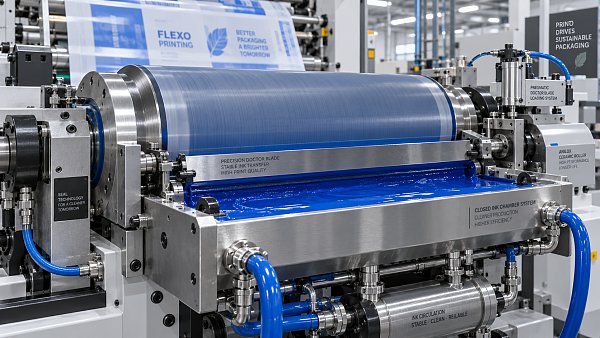
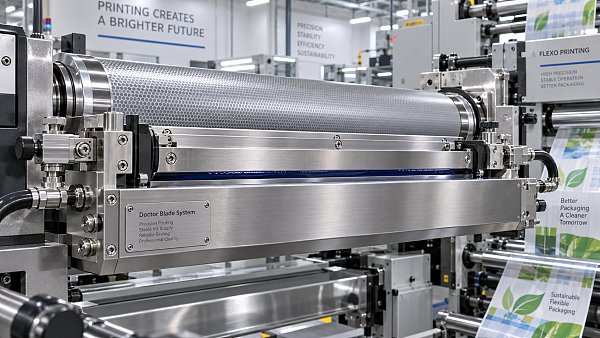
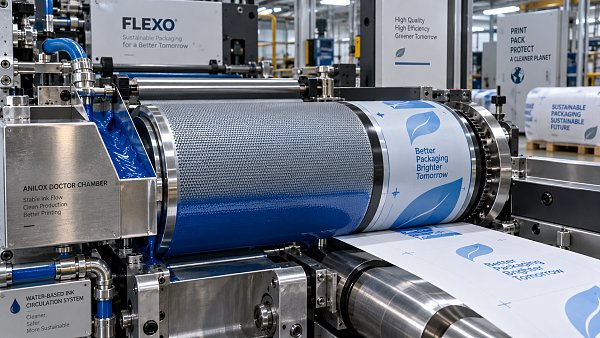
Ink Chambers are designed to make ink delivery to the anilox roller more controlled and repeatable. When correctly selected, installed, and maintained, a chambered doctor blade system creates a contained ink supply at the anilox surface. Instead of relying on an open pan and uneven ink pickup, it meters the roller with doctor blades while continuously circulating ink through the chamber. The result is not “more ink” on the print unit; it is a more consistent ink film where it matters.
That distinction is central to waste reduction and stable flexographic printing. A press can run at high speed only when ink transfer, viscosity, anilox condition, plate contact, drying, and registration are working together. Ink chambers do not replace process control, but they give operators a much steadier foundation for it.
Why an Open Ink System Can Create Hidden Waste
Open fountain systems remain familiar in many printing environments, particularly on older equipment. They can be practical for certain applications, but they expose a large surface of ink to air, contamination, and changing operating conditions. Water-based ink may lose water through evaporation. Solvent-based ink may change more quickly if solvent balance is not monitored. Foam, skinning, dust, board fibers, and dried particles can all find their way into the circulating ink.
Even when the printed image looks acceptable at first, the process may be less stable than it appears. Operators may add reducer, water, solvent, or fresh ink to recover color strength and viscosity. Those adjustments can be necessary, but frequent correction often signals that the system is not holding a repeatable condition. At the end of the order, a substantial volume of mixed ink may remain in the pan or line, making reuse more difficult.
A chamber system reduces the amount of exposed ink and keeps the supply closer to the anilox roller. This is especially relevant for short runs, frequent artwork changes, and operations where several units must be cleaned between jobs. Less ink sitting in an open system generally means less ink to manage, less opportunity for contamination, and less product that has to be recovered or discarded after the run.
The Working Principle: Controlled Filling and Accurate Metering
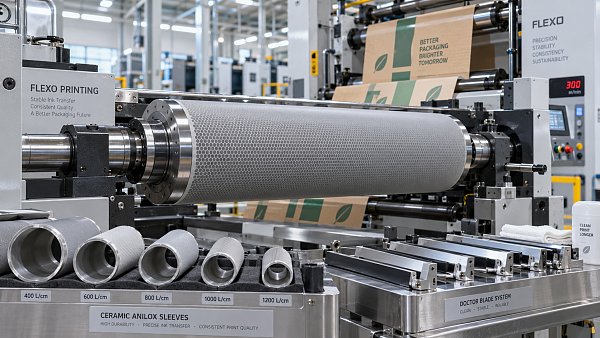
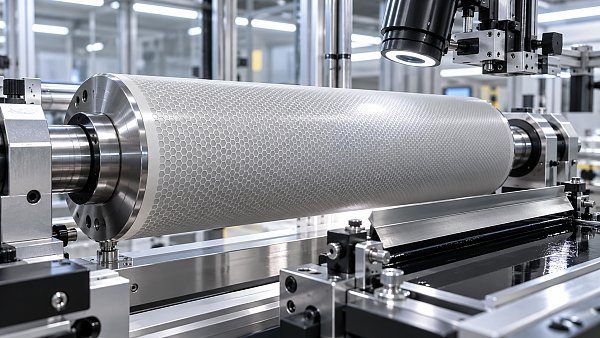
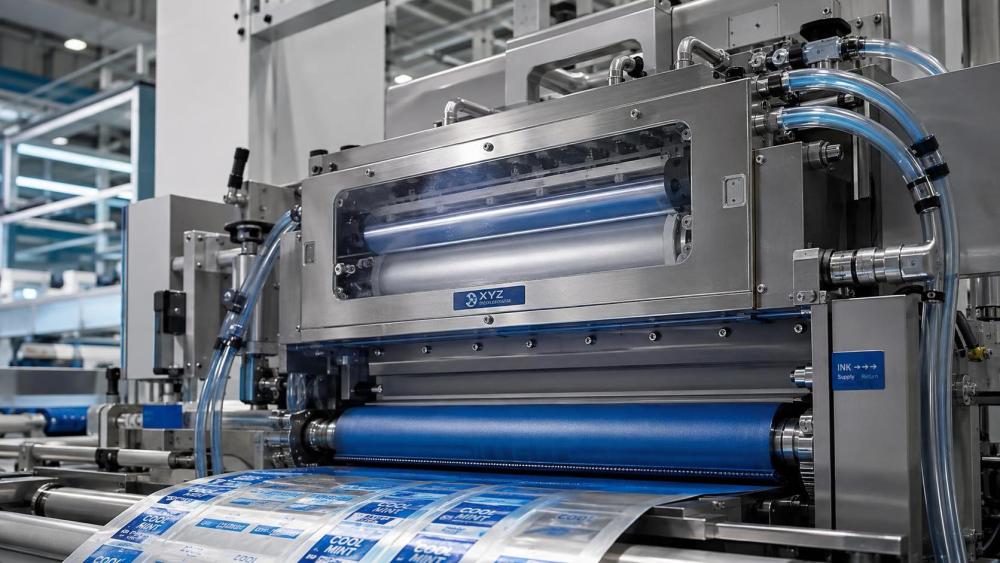
An ink chamber sits against the anilox roller and is sealed at both ends by end seals. Ink is pumped into the enclosed chamber, filling the contact area between the chamber body and the rotating anilox. One doctor blade meters excess ink from the anilox surface; the other blade manages containment and helps maintain a closed circulation zone. The engraved cells of the anilox roller then carry a controlled ink volume to the printing plate.
The chamber does not determine color by itself. Anilox cell volume, ink formulation, plate design, impression setting, substrate absorbency, and drying performance still influence the printed result. What the chamber does is reduce one important source of variation: inconsistent anilox filling and uncontrolled excess ink on the roller surface.
For an operator, this can make color adjustments more meaningful. If the ink film delivered by the anilox is changing because of splashing, poor pickup, foam, or contamination, adjusting viscosity may only treat the symptom. With stable chamber pressure, clean blades, and correctly fitted seals, the same viscosity adjustment is more likely to produce a predictable visual response on press.
Where Ink Chambers Reduce Waste in Daily Production
The savings from Ink Chambers are not limited to the ink remaining after a job. Their value is usually distributed across several routine activities that operators recognize immediately.
Lower startup consumption
At startup, an open system may need time before the anilox roller is evenly supplied and the print unit settles into a stable condition. A properly primed chamber can help establish uniform ink transfer sooner. This does not eliminate normal makeready procedures, color drawdowns, or registration checks, but it can reduce the period spent chasing density or color strength caused by uneven ink supply.
Less ink exposed during the run
By enclosing the ink at the anilox, the chamber limits splashing and reduces the exposed surface area. This supports better ink condition control, particularly with water-based inks in warm, dry pressrooms or with solvent systems requiring close evaporation management. Less exposure also means fewer airborne fibers and particles entering the ink loop.
Reduced cleanup volume
When a job ends, the ink held in the chamber and circulation circuit is usually easier to recover through a controlled return process than ink spread across a large open pan. The real benefit depends on the press design, pump system, hose routing, and cleaning practice, but operators often find that a contained system makes the cleanup sequence more organized. The aim is not simply to wash faster; it is to recover usable material where possible and avoid turning excess ink into waste.
Fewer rejects caused by unstable color
Color variation can lead to additional setup sheets, customer complaints, rework, or downgraded production. On corrugated packaging, changes in liner quality and absorbency already place demands on ink control. A stable chambered system cannot remove substrate variation, but it helps ensure that anilox delivery is not adding another variable to an already sensitive process.
Stable Printing Depends on More Than the Chamber Body
A common mistake is to view the chamber as a fit-and-forget component. In reality, the chamber is a working interface between ink, doctor blades, end seals, and a precision-engraved roller. Small issues at that interface can become visible print defects or unnecessary consumable costs.
Blade condition deserves close attention. A worn, damaged, or incorrectly installed metering blade may leave streaks, haze, or excessive ink on the anilox surface. Too much blade pressure can accelerate blade and roller wear; too little pressure can allow leakage or poor metering. The correct setting depends on the chamber design and supplier guidance, but the practical rule is simple: use only the pressure needed to maintain a clean, even wipe.
End seals are equally important. If seals are too tight, friction and wear increase. If they do not contact the roller correctly, ink can leak at the ends, introducing housekeeping problems and potentially creating dry-edge conditions. Operators should inspect seals during every changeover, not only when a visible leak occurs. A seal can be worn enough to affect chamber performance before it leaves a noticeable puddle.
Chamber alignment also matters. The chamber must sit parallel to the anilox and make consistent contact across the working width. Misalignment can cause uneven blade loading, premature wear, and localized print variation. When recurring streaks appear in the same area, do not assume the ink is at fault. Check blade seating, chamber alignment, anilox cleanliness, and whether the defect corresponds to a damaged region of the roller.
A Practical Operating Routine for Consistent Ink Delivery
Reliable flexographic printing is built from repeatable habits. The following sequence can be adapted to the press and ink system in use.
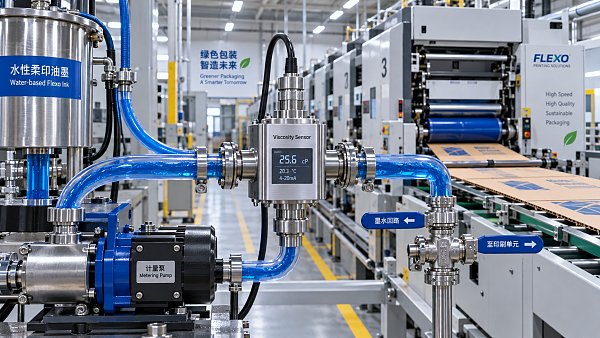
- Confirm ink readiness before pumping. Check viscosity, temperature, pH where relevant for water-based inks, and filtration condition. Ink that enters the chamber in poor condition will not become stable simply because the system is enclosed.
- Inspect the chamber during setup. Look for bent blades, dried ink on the contact surfaces, damaged end seals, blocked ports, and loose hardware. Ensure the correct blade material is being used for the ink chemistry and anilox specification.
- Prime at a controlled flow rate. Excessive pump flow can create turbulence, foam, and pressure-related leakage. The objective is complete, even filling—not aggressive circulation.
- Watch the first printed sheets for process clues. Light print, streaking, pinholing, dirty print, or edge variation may originate in the chamber, but can also relate to anilox cells, plate condition, impression, substrate, or drying. Diagnose before making multiple adjustments at once.
- Record settings that work. For repeat jobs, note ink type, viscosity range, pump setting, blade type, anilox specification, and typical cleaning requirements. These records are valuable when a shift changes or an order returns months later.
- Recover and clean promptly after the run. Leaving ink to dry in the chamber, hoses, or anilox cells makes the next setup harder and can shorten component life. A disciplined shutdown is part of production efficiency, not an afterthought.
Recognizing Common Symptoms Before They Become Waste
Ink leakage at the chamber ends often points to worn seals, incorrect seal geometry, excess pressure, damaged anilox ends, or chamber alignment issues. Replacing seals without checking these surrounding conditions may only provide a short-term fix.
Fine streaks in solid areas may come from dried ink or debris under the blade, a chipped blade edge, clogged anilox cells, or inconsistent chamber contact. Stop and inspect the blade before changing ink formulation. If the problem remains after a blade change, inspect the anilox under appropriate magnification and review the cleaning process.
Foaming in the circulation system is frequently linked to excessive pump agitation, unsuitable return-line design, air entering the system, or an ink formulation sensitive to the operating conditions. Adding defoamer without identifying the cause can affect print behavior and should be handled according to ink supplier recommendations.
Color becoming weak during a long run can be related to viscosity drift, pH change, blocked anilox cells, drying conditions, or substrate variation. A chamber helps make delivery more stable, but routine measurement remains essential. Operators should avoid relying only on visual judgment, particularly on brand-critical packaging or barcode-bearing work.
Choosing an Ink Chamber Configuration for the Application
There is no single chamber arrangement that fits every flexographic press. A narrow-web label press, a wide-web flexible packaging line, and a corrugated post-print machine face different ink volumes, speeds, substrates, cleaning needs, and accessibility constraints. Selection should consider the working width, anilox diameter, ink chemistry, press speed, automation level, and expected frequency of job changeovers.
For corrugated and paper-based packaging operations using water-based inks, easy cleaning, resistance to corrosion, dependable sealing, and compatibility with the plant’s filtration and viscosity-control system are practical priorities. On high-volume work, a chamber design that supports steady circulation and simple blade replacement can reduce disruption during shifts. For short-run or multi-SKU production, fast access and low retained ink volume may be more important than maximum reservoir capacity.
It is also worth considering the entire ink loop rather than buying a chamber in isolation. Pumps, hoses, quick connections, filters, ink tanks, wash stations, and return recovery all influence whether the system truly reduces waste. A well-designed chamber paired with poor hose routing or difficult cleaning access will not deliver its full operational value.
Making Ink Chambers Part of a Wider Press-Control Strategy
Packaging printers are under pressure to run more versions, manage smaller order quantities, and deliver consistent brand color with less material loss. In this environment, the ink chamber becomes one part of a broader control system that includes anilox maintenance, viscosity management, color measurement, registration control, inspection, drying balance, and operator training.
The most useful question is not, “Will a chamber solve every ink problem?” It will not. The better question is, “Which sources of variation can the chamber remove from our current process?” If open ink exposure, unstable anilox filling, difficult cleanup, or repeated color corrections are affecting production, a properly managed chambered doctor blade system can make a meaningful difference.
For operators, the payoff is often felt in calmer production: fewer last-minute corrections, cleaner press areas, more predictable startup behavior, and a clearer link between a process adjustment and the printed result. For the packaging plant, those small improvements support lower ink loss, steadier quality, and a more controlled flexographic workflow from job preparation through final cleanup.
Related News
 How to Choose an Anilox Sleeve Supplier for Consistent Print QualityChoose an anilox sleeve supplier with proven engraving control, reliable sleeve construction, and expert support to achieve consistent print quality and lower waste.Print Fluidics Scientist
 How to Choose an Ink Viscosity Sensors Supplier for Flexo PrintingChoose an ink viscosity sensors supplier for flexo printing with confidence. Compare ink compatibility, installation, calibration, controls, and service support to improve color consistency and reduce waste.Print Fluidics Scientist
 How Ink Metering System Manufacturers Improve Anilox Ink ControlInk metering system manufacturer insights: improve anilox ink control with stable blade loading, reliable seals, and efficient circulation for cleaner flexo printing.Print Fluidics Scientist
 Is Ceramic Anilox Roller Damage Repairable Without Affecting Print Quality?Is ceramic anilox roller damage repairable? Learn when cleaning, restoration, re-engraving, or replacement can protect consistent print quality.Print Fluidics Scientist
 How to Evaluate a Doctor Blade Holder Manufacturer for Flexo PressesDoctor blade holder manufacturer evaluation guide for flexo presses: compare design, sealing, materials, service, and lifecycle cost to improve uptime and print quality.Print Fluidics Scientist
 How Ceramic Rollers for Flexo Presses Reduce Wear and Ink VariationCeramic rollers for flexo press applications reduce wear and ink variation. Explore practical cleaning, inspection, and maintenance tips for stable print quality.Print Fluidics Scientist