How Does a Chamber Wash-Up System Clean a Flexo Press?
A chamber wash-up system cleans a flexo press by moving compatible cleaning liquid through the ink circulation path and the enclosed doctor blade chamber. As the liquid contacts the rotating anilox roll, it loosens and carries away residual ink. The resulting mixture is then collected for handling or disposal, depending on the system and the cleaning program.
The important distinction is that wash-up cleans the parts reached by the liquid; it does not automatically clean every ink-contaminated surface on the press. Ink trays, supply containers, chamber ends, guards and heavily plugged anilox cells may still need separate attention. The result depends on the ink, cleaning chemistry, circulation path and condition of the equipment.
What happens inside the chamber?
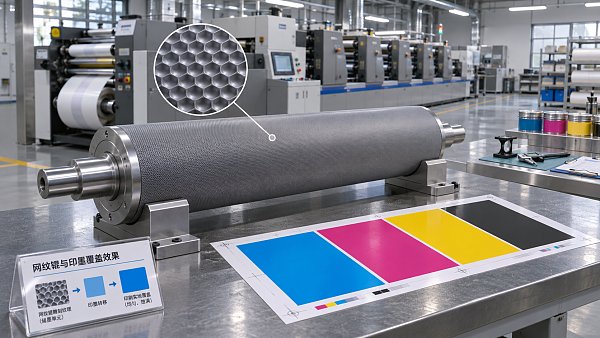
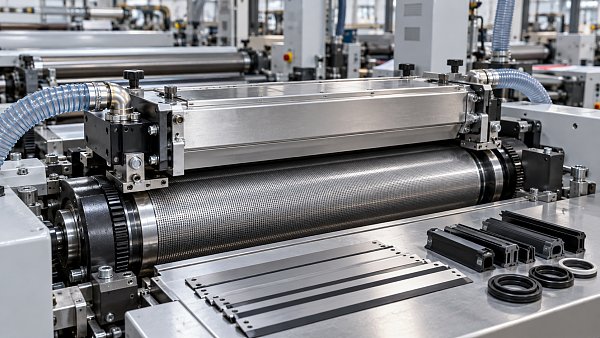
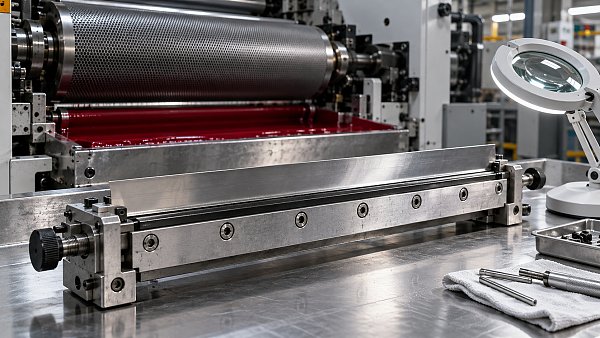
In a chambered doctor blade system, ink is supplied to an enclosed space where the chamber contacts the anilox roll. Doctor blades meter ink on the roll, while end seals help contain it at each side. During printing, the anilox carries a controlled amount of ink toward the printing plate.
For wash-up, the same basic path is used to bring cleaning liquid into contact with ink residue. The liquid flows through the supply lines and chamber, wets accessible surfaces and returns with dissolved or suspended ink. Rotation of the anilox exposes its surface to the liquid and helps remove ink from the cell openings.
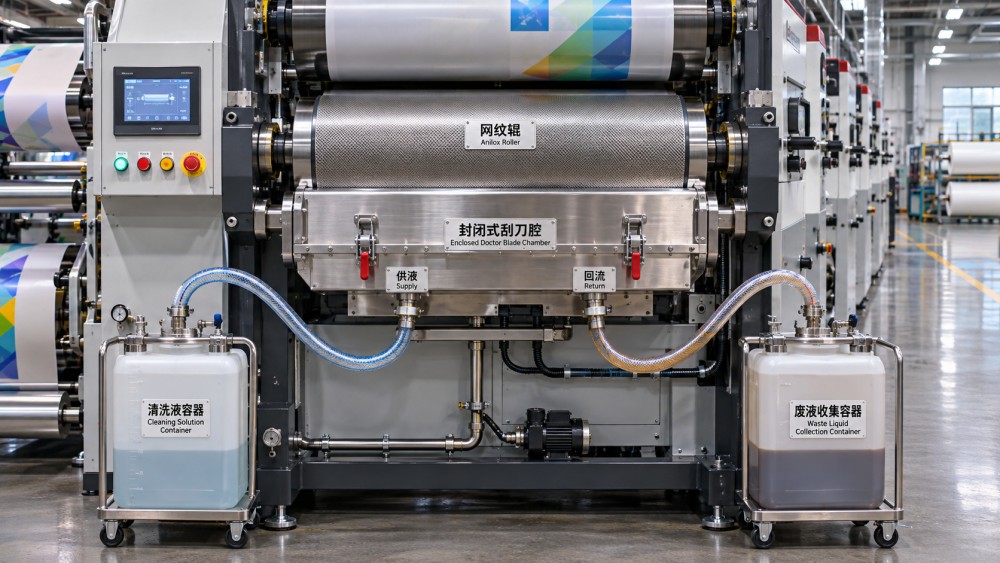
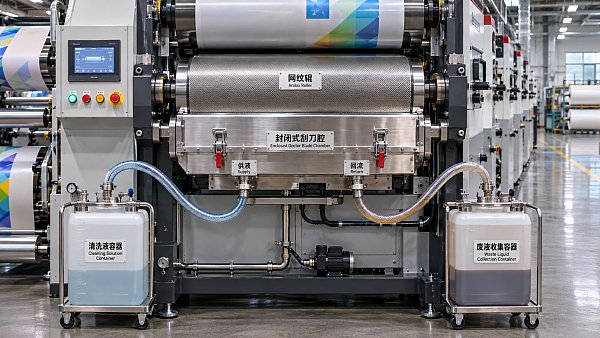
A typical circuit includes an ink pump, supply and return hoses, the chamber, a cleaning-liquid supply and a collection container. Valves may direct flow between ink, cleaner, rinse liquid and waste. Some presses automate these changes; others require manual hose or valve changes. The exact arrangement matters because any section outside the selected flow path may remain contaminated.
How a typical wash-up sequence works
The sequence depends on the press design and ink manufacturer’s instructions, but the cleaning logic remains consistent: remove usable ink, circulate an appropriate cleaner, evacuate the contaminated liquid and check the result before loading the next color.
Recover the remaining ink
At the end of a print run, the press is brought to its designated changeover condition. Where the equipment permits, the remaining ink is pumped or drained from the chamber and lines into a suitable, identified container. This reduces the amount of ink that the cleaning liquid must remove and may allow usable ink to be recovered.
Recovery is not complete simply because the ink container looks empty. Ink can remain in low points, pump housings, filters, hose connections and the chamber itself. The amount left behind affects both wash-up time and the likelihood of contaminating the next color.
Introduce and circulate cleaning liquid
A compatible cleaner is fed into the circuit in place of ink. Depending on the installation, it may pass from a dedicated tank or a separate container through the pump, supply line and doctor blade chamber, then return to a collection tank or recirculation vessel.
The liquid works by wetting the ink film and helping detach or dissolve it. Flow carries the loosened material away rather than leaving it inside the chamber. Cleaner also contacts the exposed anilox surface as the roll turns under the machine’s approved wash-up program.
Recirculation can make efficient use of cleaning liquid, but the returning liquid becomes progressively more contaminated. If it is heavily loaded with ink, continued circulation may leave residue rather than remove it effectively. Some systems use a separate final rinse or a fresh-liquid stage for this reason.
Drain or displace the contaminated liquid
Once the selected cleaning cycle is complete, the dirty liquid is directed to an appropriate collection container or tank. Some systems use water, another approved rinse or air to help displace liquid from the circuit. The method must follow the press and chemistry instructions: blowing through lines or opening connections without an approved procedure can create splashing or pressure hazards.
Not every ink system calls for the same rinse. A liquid that is suitable after one cleaner may be incompatible with another ink or leave unwanted moisture or residue. The objective is a circuit ready for the next ink, not simply one filled with clear-looking liquid.
Prepare for the next job
Before the next color is introduced, the circuit must be reconfigured for printing. That can involve reconnecting the ink supply, confirming valve positions, checking the chamber and seals, and ensuring that collection lines are no longer directed to waste. The new ink is then circulated or primed according to the press procedure.
Residual cleaner or rinse liquid can dilute the first ink through the circuit. Depending on the installation, the initial return may need to be collected separately until the ink is suitable for production. An early print check is useful because a clean-looking chamber alone cannot confirm that the ink film, color and coverage are stable.
What the system cleans—and what it may miss
The chamber wash-up circuit is most effective on surfaces directly exposed to adequate liquid flow. These include the internal chamber passage and the connected sections of the ink supply and return system. The anilox surface also receives cleaning action where it contacts the liquid in the chamber.
Coverage is less certain around chamber ends, seals, blade seats and connections where ink can collect outside the main flow. A blocked return line, restricted filter or poorly routed hose can prevent cleaner from reaching parts of the circuit. When cleaner returns from the chamber, it proves that some flow exists; it does not prove that every branch or pocket has been cleaned.
Other press components may not be connected to the wash-up circuit at all. Printing plates, plate cylinders, splash guards and external ink deposits require the cleaning method specified for those components. Wiping external surfaces does not replace circulation through the ink lines, and circulation does not replace cleaning ink that has dried outside the chamber.
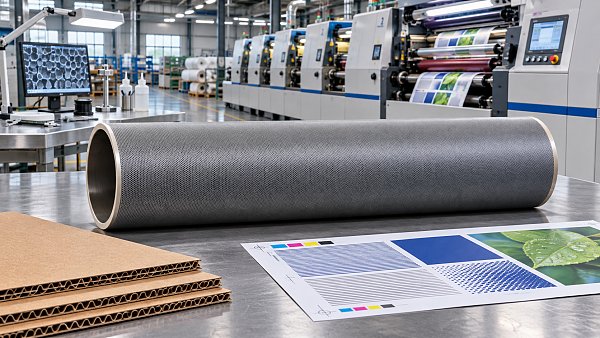
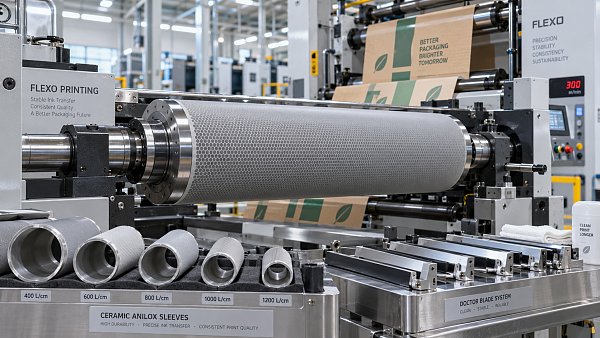
The anilox needs particular distinction. Routine wash-up removes fresh or accessible ink, but dried material can remain within cells and reduce their effective volume. A roll can look clean on the surface while delivering less ink than expected. Persistent low density, uneven coverage or difficulty reaching a known color may justify an anilox inspection and a separate deep-cleaning procedure approved for the roll.
Why ink and cleaner compatibility matter
Water-based, solvent-based and UV-curable inks do not behave identically during cleaning. Water alone may remove some fresh water-based ink, but it may not adequately remove dried deposits or binder residue. Solvent-based and UV ink systems require cleaning products suitable for their particular chemistry and equipment.
The cleaner must also be compatible with the materials it contacts, including chamber seals, blades, hoses, pump components, coatings and the anilox roll. A stronger chemical is not automatically a better choice: an unsuitable product or concentration can damage components, leave residue or make the next ink unstable.
Use the ink, cleaning-product and equipment suppliers’ instructions together. They establish the permitted cleaner, concentration, contact time and rinse requirements for the combination in use. Mixing products or changing the sequence without checking compatibility can cause residue, separation or other problems in the circuit.
The condition of the ink matters as much as its category. Fresh ink is generally easier to remove than ink allowed to dry in a stationary chamber or hose. Starting the approved wash-up promptly after production reduces the time available for deposits to harden, especially around exposed seals and blade edges.
Checks that reveal an incomplete wash
The color of the returning liquid is a useful indication, but it is not a complete acceptance test. Dark or opaque return liquid shows that contamination remains in circulation. Clearer liquid can indicate progress, yet a concentrated deposit may still be trapped in a low-flow area or in the anilox cells.
After the machine is stopped and made safe for access under site procedures, check accessible areas specified by the press manufacturer. Look for ink buildup at the chamber ends, around seals and blade holders, and at hose connections. Confirm that the return path is not restricted and that filters or strainers are handled according to the equipment instructions.
Several print symptoms can point back to wash-up or preparation:
- Unexpected color contamination: The previous ink, dirty cleaner or a contaminated hose may remain in the circuit. This is especially noticeable when changing from a strong dark color to a lighter one.
- Weak or inconsistent color at start-up: Residual rinse liquid may be diluting the new ink, or the circuit may not yet be fully primed.
- Streaks or uneven coverage: Deposits on a blade, damage at a chamber seal or contamination on the anilox may be involved; the print defect alone does not identify which one.
- Repeated difficulty reaching density: Check ink condition and press settings as well as the anilox. A clean chamber does not rule out plugged cells.
If the same color contamination appears after repeated washes, extending the cycle is not necessarily the answer. Check whether the cleaner reaches the affected path, whether the return is restricted and whether containers and hoses have been correctly assigned. More time cannot clean a section that the liquid bypasses.
Safe handling during wash-up
Cleaning can involve moving rolls, pressurized liquid, chemicals and contaminated waste. Run automated wash-up only with the guards and interlocks in their required condition. Do not reach into the chamber or wipe a moving anilox. Before opening the chamber, disconnecting a hose or clearing a blockage, stop and isolate the equipment as required by the site’s lockout procedure, and relieve pressure according to the manufacturer’s instructions.
Follow the cleaning product’s safety data sheet and site rules for protective equipment, ventilation, storage and spill response. Where flammable cleaners are approved, use the equipment and controls specified for them. Keep recovered ink, used cleaner and rinse liquid in identified containers; their disposal or recycling route depends on the materials and applicable local requirements.
A successful wash-up leaves more than a visually clean chamber. It leaves an ink path that is clear of incompatible residue, an anilox capable of delivering the expected ink film, and a press correctly configured for the next color. Those conditions are established by the cleaning cycle together with inspection and the first production checks.
Related News
 How Do I Choose Anilox Roller Volume for Solid Coverage?How do I choose anilox roller volume for solid coverage? Discover practical testing tips to achieve even ink coverage, reliable color and efficient production.Print Fluidics Scientist
 How to Choose Anilox Sleeves for Flexo PrintingChoose anilox sleeves for flexo printing with confidence. Compare cell volume, screen count, press fit and trial results to improve print consistency.Print Fluidics Scientist
 How Does a Chamber Wash-Up System Clean a Flexo Press?Discover how a chamber wash up system for flexo press cleans ink paths and anilox surfaces, improves color changeovers, and helps prevent contamination.Print Fluidics Scientist
 What Determines the Cost of an Enclosed Doctor Blade System?Enclosed doctor blade system cost depends on equipment, installation and upkeep. Compare lifetime costs and build a stronger business case.Print Fluidics Scientist
 How Often Should Doctor Blades Be Replaced on a Flexo Press?How often should doctor blades be replaced on a flexo press? Discover key wear signs and scheduling tips to reduce waste, protect your anilox, and maintain consistent print quality.Print Fluidics Scientist
 How to Choose an Anilox Sleeve Supplier for Consistent Print QualityChoose an anilox sleeve supplier with proven engraving control, reliable sleeve construction, and expert support to achieve consistent print quality and lower waste.Print Fluidics Scientist