How Doctor Blade Holders for Flexo Presses Affect Print Quality
The Holder Is Part of the Metering System, Not Just a Blade Clamp
Print defects often get attributed to the anilox roller, ink formulation, plate condition, or press settings first. Those factors matter, but doctor blade holders for flexo press systems can be equally influential because they determine how the blade contacts the anilox surface over the full print width. A holder that cannot maintain stable geometry, even pressure, and reliable sealing will make consistent ink metering difficult, especially as press speed rises or job conditions change.
For technical evaluators, the practical question is not whether a doctor blade holder affects print quality. It does. The question is whether its design can maintain repeatable metering under the press's actual operating conditions: ink type, anilox specification, web or board width, running speed, wash-up routine, and expected job-change frequency. A holder may appear adequate during a short trial but create density variation, streaks, leakage, or excessive blade consumption during continuous production.
The doctor blade assembly controls the residual ink film left in anilox cells before ink transfers to the printing plate. Small changes in blade contact angle, loading force, parallelism, or chamber pressure can alter that film. The resulting defect may be visible as uneven solid coverage, color drift, dirty highlights, bands, or inconsistent image definition. On packaging work, these are not merely cosmetic concerns. They can affect brand color control, barcode contrast, legibility of small text, and the stability of repeat production across shifts.
Why Holder Geometry Changes the Printed Result
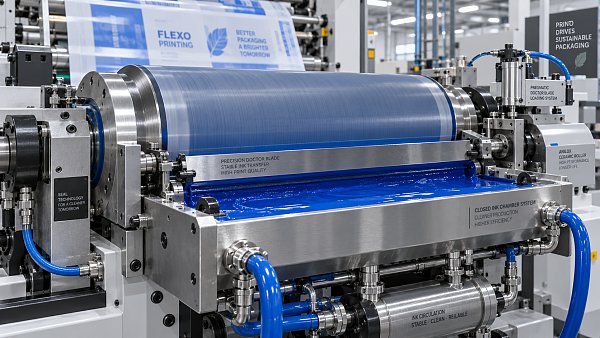
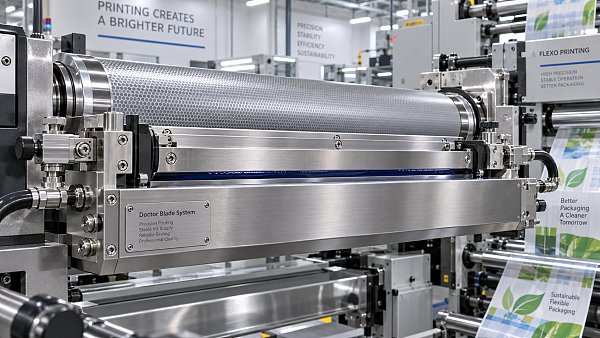
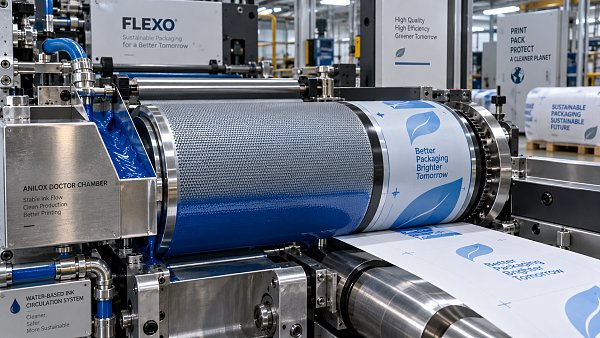
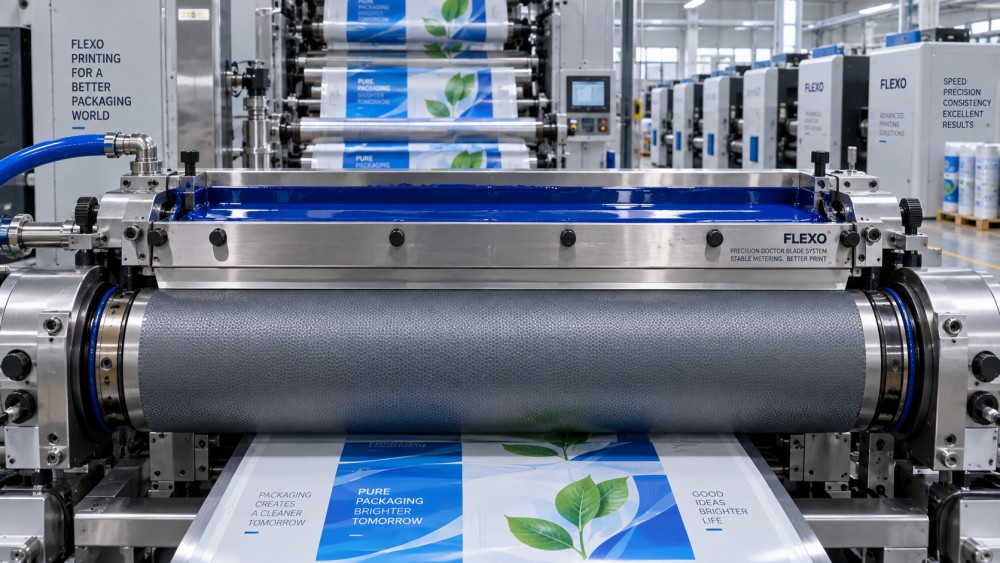
A typical chambered doctor blade system uses a metering blade, a containment blade, end seals, and a holder or chamber body positioned against the anilox roller. The metering blade removes excess ink from the roller surface; the containment side completes the enclosed ink chamber. The holder establishes the mechanical relationship among those parts. If that relationship is unstable, the blade cannot meter consistently even when the blade material itself is appropriate.
Three holder characteristics have the most direct effect on print quality: rigidity, alignment, and pressure control.
Rigidity limits vibration and deflection
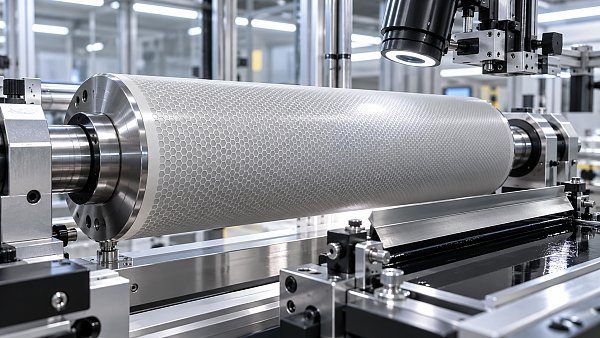
Across a wide-web flexo press, the holder must resist deflection while maintaining a controlled blade-to-anilox contact line. A flexible or poorly supported assembly may load differently at the center and at the ends. The operator may compensate by increasing pressure, but higher force is rarely a clean solution. It can accelerate blade and anilox wear, increase frictional heat, and make the system more sensitive to runout or contamination.
At speed, insufficient rigidity can also allow vibration. The visible result may be chatter marks, fine streaking, or intermittent density changes. These defects are sometimes mistaken for damaged anilox cells or plate issues because they appear in the printed image rather than at the blade interface. A useful diagnostic step is to check whether the defect changes with press speed, blade replacement, holder adjustment, or chamber condition. If it does, the holder assembly deserves attention before an expensive anilox replacement is considered.
Alignment determines whether the blade meters evenly
The blade should meet the anilox consistently from one side of the press to the other. Parallelism errors produce unequal contact pressure and uneven wiping. On a solid color, this may appear as a cross-web density difference. On line work or fine screens, it can show up as streaks, dirty dots, or localized loss of detail.
Alignment is affected by more than the initial setup. Wear in pivots, mounting surfaces, adjustment mechanisms, and seals can change the holder position over time. A holder design that permits repeatable removal and reinstallation is therefore valuable for presses with frequent wash-ups, color changes, or maintenance interventions. The assembly should return to its intended position without requiring prolonged manual correction.
The contact angle also matters. It influences how the blade flexes and how ink is removed from the anilox surface. A geometry that works acceptably with one blade thickness or material may behave differently after a change to another blade specification. Technical reviews should examine the holder and blade as a matched operating system rather than treating the holder as a generic accessory.
Pressure should be controlled, not simply increased
Metering requires sufficient contact to clean the anilox surface, but excess pressure introduces its own risks. High loading can mask alignment problems temporarily while increasing blade wear and placing more stress on the roller surface. It may also make the press less tolerant of small contaminants in the ink chamber.
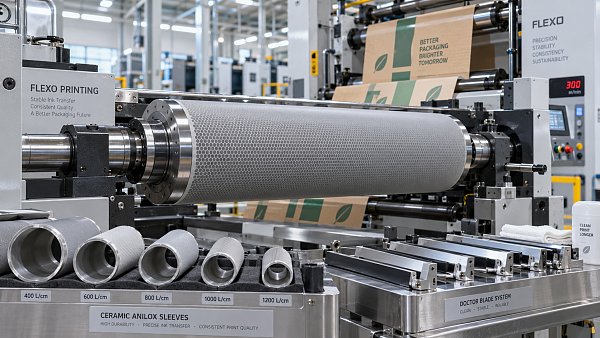
A well-designed holder provides stable, repeatable loading through its mechanical arrangement or pneumatic control system. The objective is uniform contact at the lowest practical force that produces clean metering. This is especially important with ceramic anilox rollers, where unnecessary blade pressure can contribute to premature wear and create a longer-term print-quality problem.
Pressure consistency matters during run length as well. If the system is sensitive to air-pressure fluctuation, mechanical drift, or blade flex changes, operators may keep adjusting settings to maintain color. That raises setup time and makes it harder to distinguish a real ink or plate issue from a metering problem.
Ink Metering Quality Is Closely Tied to Chamber Sealing
Doctor blade holders are often evaluated by their blade clamping arrangement, while the sealing system receives less attention. That is a mistake. In a chambered system, end seals affect pressure stability, ink containment, cleanliness, and the ability to maintain a consistent film on the anilox.
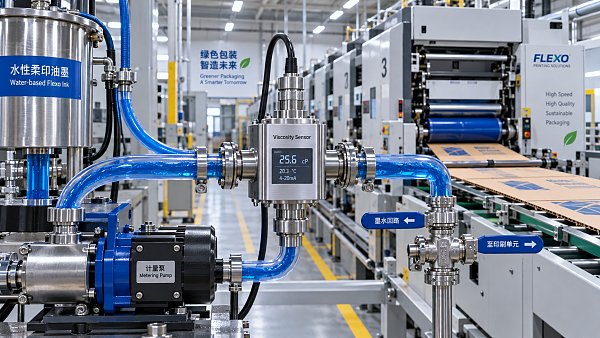
End seals that fit poorly can permit ink leakage, air entry, or uneven chamber pressure. Leakage creates obvious housekeeping and ink-loss issues, but the less obvious consequence is variable metering. Air entrainment can produce foaming or inconsistent ink delivery, particularly where ink circulation, viscosity control, and press speed are already near their operating limits.
Seal wear also changes the relationship between the holder and the anilox. A seal that is too tight may add drag and accelerate wear. A seal that is too loose may leak or fail to contain the ink effectively. Neither condition is solved by selecting a more rigid holder alone. The holder must accommodate seal replacement accurately and provide a stable sealing surface.
This is why a complete evaluation should include the practical behavior of the chamber: how easily seals are fitted, whether seal pressure is repeatable, whether leakage appears at the ends or along the blade, and how the system responds after cleaning. A design that looks robust in isolation may still be difficult to keep stable if routine seal changes depend heavily on operator technique.
How Common Defects Point Back to the Holder Assembly
No single print defect proves that the doctor blade holder is at fault. Flexographic printing is a linked process, and defects can originate from ink, anilox condition, plates, impression, substrate, drying, or registration. Still, certain patterns should prompt a targeted inspection of the holder system.
A disciplined fault-finding process matters because replacing blades repeatedly without checking the holder can consume time and materials without correcting the cause. Conversely, replacing a holder when the anilox is plugged or the ink is poorly controlled will not restore print quality. Inspection should move from the visible defect to the metering condition, then to the mechanical and process variables that create it.
Selection Depends on Press Conditions, Not on One “Best” Holder Design
A doctor blade holder should be selected against the press configuration and production profile. Wide-web corrugated post-printing, narrow-web label work, flexible packaging, paper sack printing, and pre-print operations can all impose different demands on the chamber assembly. The correct choice depends on the interaction between press width, anilox diameter, ink chemistry, speed range, wash-up method, and the level of color control required.
For example, a high-volume operation with frequent job changes may place more value on fast blade replacement, repeatable setup, low leakage, and easy cleaning than on a design optimized only for initial purchase cost. A press running abrasive inks or demanding long production intervals may require particular attention to blade wear, seal life, chamber construction, and access for inspection. For work involving fine graphics, light tints, or tightly controlled brand colors, the tolerance for uneven metering is lower, making holder rigidity and adjustment repeatability more important.
- Compatibility with the press: Confirm mounting arrangement, holder length, anilox diameter range, access constraints, and adjustment travel. A technically capable holder that requires modification or restricts maintenance access can create avoidable downtime.
- Blade retention: The clamping mechanism should secure the blade evenly without localized distortion. Blade change procedures should be practical enough to be performed consistently by production staff.
- Adjustment repeatability: Evaluate how the holder returns to position after blade, seal, or chamber removal. Frequent manual alignment is a warning sign for high-changeover production.
- Ink and cleaning compatibility: Materials, seals, and chamber surfaces must suit the intended inks and wash-up chemicals. Material mismatch can lead to swelling, corrosion, shortened seal life, or cleaning difficulty.
- Access for maintenance: Operators need clear access to inspect blades, remove contamination, fit seals, and clean the chamber without compromising setup accuracy.
- Support for width and speed: Long holders and higher press speeds raise the importance of structural stiffness, stable loading, and robust mounting.
Blade Choice Cannot Be Separated From Holder Performance
The holder may be mechanically sound but still perform poorly with an unsuitable blade. Blade material, thickness, tip profile, and stiffness influence metering behavior, wear, and anilox interaction. Steel, coated steel, plastic, and composite blade options can serve different operating needs, but the correct selection depends on the ink system, anilox surface, print requirement, and holder geometry.
Changing to a stiffer or thicker blade may alter contact behavior enough to affect density and streaking. Using a blade with a different profile can change wipe quality or wear rate. Therefore, blade trials should record more than the blade type. They should include holder setting, pressure condition, anilox specification, ink condition, speed, and observed print result. Without that context, a trial may lead to a misleading conclusion about either the blade or the holder.
The same principle applies to replacement parts. Generic seals or blades may fit physically but not reproduce the operating geometry intended for the chamber. For critical work, dimensional consistency and compatibility can be more important than the apparent similarity of a replacement component.
Maintenance Has a Direct Quality and Uptime Value
Doctor blade holders are consumable-adjacent equipment: they are durable assemblies, but their performance depends on regular inspection of parts that wear or accumulate ink residue. Cleaning practices deserve particular attention. Dried ink, adhesive residue, damaged clamp surfaces, or debris at the blade seat can prevent a new blade from sitting correctly. The press may then show metering defects immediately after maintenance, even though the operator has installed fresh consumables.
A practical maintenance routine should verify blade seating, clamp condition, chamber straightness, seal seats, adjustment movement, air or pressure controls where fitted, and mounting hardware. The anilox should be inspected at the same time, since roller damage, cell plugging, and surface contamination can imitate holder-related problems.
Maintenance records become useful when they connect holder condition to print symptoms. Recording blade life, leakage events, recurring streak locations, pressure adjustments, and the side of the press where defects occur can reveal whether the issue is random process variation or a repeating mechanical pattern. This is more informative than treating every streak as an isolated blade failure.
What Technical Evaluators Should Ask Before Approval
The most useful review is one that tests the holder under realistic production conditions rather than relying only on a product drawing or a brief press demonstration. The evaluation should ask whether the assembly keeps density stable across the full width, whether it can be cleaned and reassembled without losing alignment, and whether operators can replace blades and seals safely and consistently.
It is also sensible to review the holder as part of a wider print-quality control chain. Anilox cleaning, ink viscosity management, circulation design, plate mounting, impression settings, and inspection routines all influence the final result. The holder does not compensate for failures elsewhere in that chain. Its role is to provide stable metering so that the rest of the process can be controlled with less variation.
For a flexo press expected to deliver repeatable packaging graphics, the doctor blade holder should be treated as a precision process component. Its effect may be less visible than the printing plate or anilox roller, but its condition is often visible in every printed sheet, web, or corrugated blank that leaves the press.
Related News
 How to Choose an Anilox Sleeve Supplier for Consistent Print QualityChoose an anilox sleeve supplier with proven engraving control, reliable sleeve construction, and expert support to achieve consistent print quality and lower waste.Print Fluidics Scientist
 How to Choose an Ink Viscosity Sensors Supplier for Flexo PrintingChoose an ink viscosity sensors supplier for flexo printing with confidence. Compare ink compatibility, installation, calibration, controls, and service support to improve color consistency and reduce waste.Print Fluidics Scientist
 How Ink Metering System Manufacturers Improve Anilox Ink ControlInk metering system manufacturer insights: improve anilox ink control with stable blade loading, reliable seals, and efficient circulation for cleaner flexo printing.Print Fluidics Scientist
 Is Ceramic Anilox Roller Damage Repairable Without Affecting Print Quality?Is ceramic anilox roller damage repairable? Learn when cleaning, restoration, re-engraving, or replacement can protect consistent print quality.Print Fluidics Scientist
 How to Evaluate a Doctor Blade Holder Manufacturer for Flexo PressesDoctor blade holder manufacturer evaluation guide for flexo presses: compare design, sealing, materials, service, and lifecycle cost to improve uptime and print quality.Print Fluidics Scientist
 How Ceramic Rollers for Flexo Presses Reduce Wear and Ink VariationCeramic rollers for flexo press applications reduce wear and ink variation. Explore practical cleaning, inspection, and maintenance tips for stable print quality.Print Fluidics Scientist