How Can You Compare Doctor Blade Holder Prices Without Losing Quality?
How Can You Compare Doctor Blade Holder Prices Without Losing Quality?
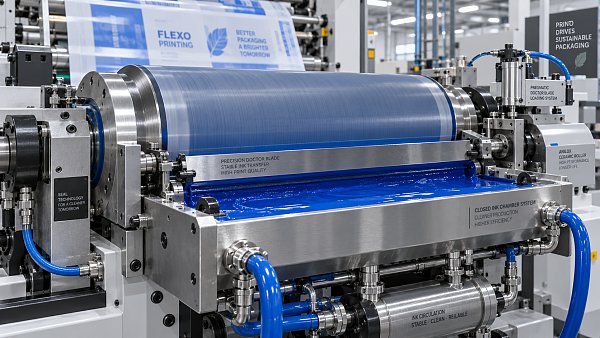
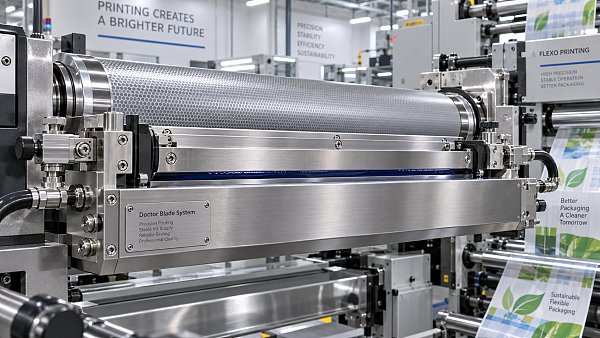
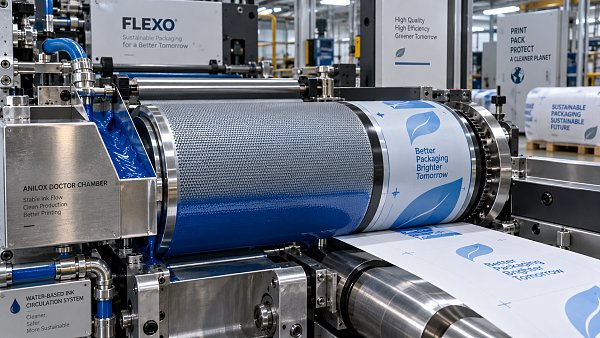
Comparing doctor blade holders price options is not simply a matter of selecting the lowest quotation. In flexographic printing, gravure applications, and corrugated packaging production, the holder is a working part of the doctoring system: it controls blade position, contact stability, sealing performance, and the consistency of ink metering at the anilox roller or cylinder. A low initial price can become expensive when it causes leakage, uneven ink transfer, frequent blade changes, cleaning delays, or avoidable press downtime.
For procurement teams, the difficulty is that quotations often describe apparently similar products using very different levels of detail. One supplier may quote a complete chamber doctor blade assembly; another may quote only the holder body. One price may include end seals, mounting brackets, clamps, and blade-loading hardware, while another excludes all of them. Unless the scope is normalized before comparison, price differences reveal very little about actual value.
The practical question is not “Which holder costs less?” It is “Which configuration fits our press, ink system, operating habits, and maintenance capability at the lowest reasonable lifecycle cost?” That shift in thinking helps purchasing teams protect print quality without overbuying features that the plant does not need.
Start by Comparing Like for Like
Before requesting revised quotes, define exactly what is being purchased. “Doctor blade holder” can refer to a simple blade clamping device, an open doctor blade system, a chambered doctor blade unit, or a replacement component for an existing system. The scope should state whether the quote covers a single working blade holder, a complete chamber, both ink and containment blades, seals, adapters, mounting arms, fasteners, hoses, or installation support.
Compatibility is equally important. The holder must match the press layout, anilox roll dimensions, bearing arrangement, printing width, access clearance, and mounting geometry. A supplier may offer a lower-priced standard unit that looks adaptable on paper but needs local modification before it can be installed. That changes both cost and responsibility. When an adaptation affects alignment or sealing, it can also complicate troubleshooting later.
Ask suppliers to separate the quotation into clear line items. This makes it easier to distinguish the cost of the holder itself from accessories, consumables, freight, packaging, commissioning assistance, and spare parts. It also prevents an attractive base price from masking a less complete package.
What Actually Drives Doctor Blade Holder Prices?
Material is a visible cost driver, but it should not be assessed only by the metal grade named in a quotation. The relevant issue is how the material, surface finish, joints, seals, and hardware perform together in the intended environment. Water-based inks and cleaning routines can place different corrosion demands on a holder than solvent-based systems. In some operations, the challenge is chemical exposure; in others, it is frequent wash-up, mechanical handling, or residue accumulation around the blade clamp.
Machining accuracy also matters. A doctor blade holder must maintain a consistent blade position across the operating width. If clamping pressure is uneven, the blade can flex inconsistently or become difficult to seat correctly. The resulting problems may appear as streaks, tonal variation, dirty printing, premature blade wear, or leaks at the ends of a chamber. Not every application needs the most elaborate design, but a buyer should understand what level of precision the press speed, print specification, and job mix require.
Design complexity affects price as well. Pneumatic loading, quick-release mechanisms, specialized end-seal arrangements, integrated ink circulation ports, and lightweight constructions can make operation easier or more repeatable. They also introduce additional components. For a plant running frequent short jobs, faster blade replacement and easier cleaning may justify a higher-cost holder. For a stable, long-run application with experienced operators, a simpler and robust arrangement may offer better value.
Customization is often necessary, particularly when retrofitting older flexographic presses or integrating equipment from multiple suppliers. However, custom should not automatically mean better. Buyers should ask which dimensions are genuinely press-specific and which parts remain standard. A design that uses standard blades, seals, and replaceable components can reduce future purchasing risk, even if the original holder is customized.
Treat Blade, Seal, Holder, and Ink as One System
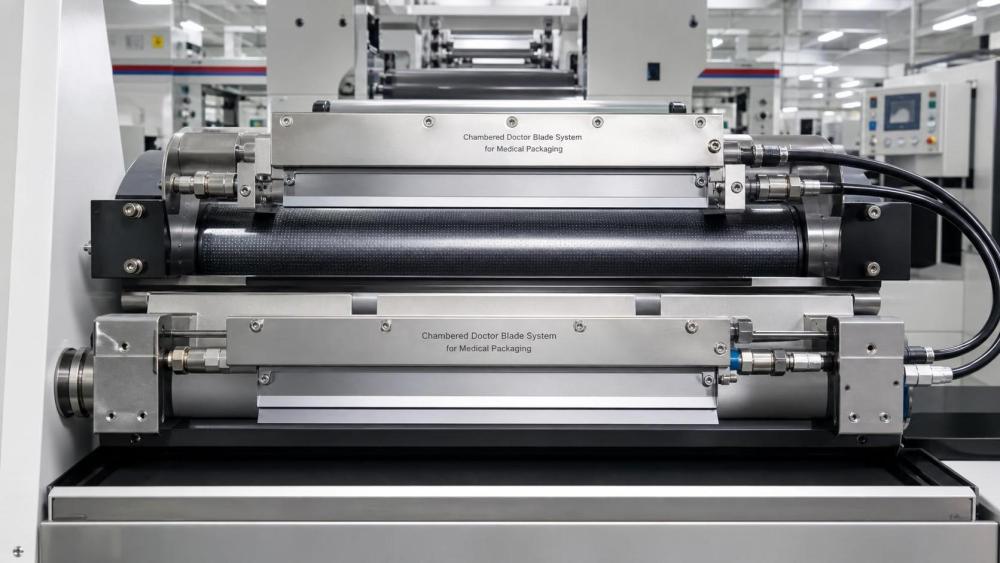
A holder cannot be evaluated in isolation. Its performance depends on the blade material and thickness, blade bevel, clamp arrangement, anilox surface condition, end-seal profile, ink viscosity, circulation pressure, and operator setup. Procurement departments sometimes compare doctor blade holders price lists without involving pressroom personnel until after an order is placed. That may save time at the purchasing stage but can create costly disagreement during installation.
A useful internal review includes production, maintenance, quality, and purchasing. Production can describe current issues such as blade-change time, leakage, foaming, or print defects. Maintenance can identify mounting constraints and recurring failure points. Quality personnel can clarify whether the work includes fine screens, solid ink coverage, barcode areas, brand colors, or other sensitive print requirements. Purchasing can then request a quote that is technically comparable and commercially complete.
This is especially relevant in corrugated packaging. Flexographic printing for shipping cases may appear less demanding than premium carton printing, but color consistency, legible codes, clean solids, and repeatable graphics still matter to brand owners and logistics users. As order quantities become shorter and changeovers more frequent, the labor and cleaning burden associated with doctoring systems becomes more visible. A holder that is hard to access, difficult to clean, or dependent on uncommon parts can slow the whole press workflow.
Look Beyond Unit Price to Operating Cost
The most useful price comparison includes costs that are not printed on the quote. Consider the time required to install the unit, set blade pressure, replace blades, clean the chamber, change seals, and source spares. Also consider the consequence of a leak or inconsistent doctoring during a production run. The exact financial impact varies by plant and job, so it should not be assumed from a generic formula. Still, these events consume labor, ink, board or paper, and available press time.
A practical evaluation can use a simple five-part review:
- Initial delivered cost, including all components needed for operation.
- Expected consumable profile: blade types, seals, fasteners, and cleaning-related wear parts.
- Changeover and wash-up effort under the plant’s actual operating routine.
- Risk of print instability, leakage, damage, or extended fault diagnosis.
- Availability of drawings, spare parts, technical communication, and replacement support.
This does not require a complicated financial model. Even a structured qualitative comparison can expose a false economy. For example, a low-cost holder with proprietary replacement parts may be less attractive than a moderately priced alternative that accepts readily available blade formats and has clear part identification. Conversely, paying for a highly automated loading feature makes little sense if the plant runs long, stable jobs and maintenance teams prefer a straightforward mechanical system.
Questions That Reveal Quality Before an Order Is Placed
Quality cannot be confirmed by appearance alone, particularly when suppliers use similar product photographs. The purchase specification should ask for information that connects design to use. Relevant questions include:
- Which press dimensions and mounting details were used to prepare the proposal?
- What blade widths, thicknesses, and bevel configurations are compatible with the clamping design?
- Which ink types, wash-up agents, and temperature conditions should be considered when selecting holder and seal materials?
- How are blade pressure, holder alignment, and end-seal positioning adjusted during setup?
- Which parts are considered routine consumables, and which replacement parts should be held in stock?
- Can the supplier provide dimensional drawings and a parts list before production or shipment?
The responses matter as much as the answers themselves. A supplier that asks detailed questions about press geometry, inks, job conditions, and existing problems is usually working from the application rather than merely selling a catalogue item. That does not guarantee performance, but it gives procurement a more reliable basis for comparing offers.
Avoid Two Common Buying Mistakes
The first mistake is replacing only the visible failed component without investigating why it failed. If holders distort, clamps loosen, seals wear rapidly, or ink escapes at the ends, the cause may include setup practice, anilox condition, excessive pressure, incompatible seals, or cleaning methods. Repeating the same specification may reproduce the same problem. A short technical review before reorder is often worthwhile.
The second mistake is treating a replacement project as an isolated consumables purchase when it affects press reliability. A doctor blade system sits within a larger production environment that includes ink management, anilox maintenance, registration, inspection, and job scheduling. CPCS examines these connected decisions across commercial printing, corrugated packaging, converting, and packaging automation. For buyers, the useful lesson is simple: equipment cost should be assessed in the context of the process it supports, not as a disconnected line item.
A Better Way to Make the Final Selection
Once quotations have been normalized, avoid choosing solely by rank order. Identify the minimum technical requirements that cannot be compromised: correct press fit, blade compatibility, suitable resistance to the ink and cleaning environment, maintainable construction, and access to essential spares. Then compare the alternatives according to the operating conditions that matter most to the plant, such as frequent changeovers, high print-quality demands, difficult wash-up procedures, or limited maintenance resources.
For larger orders or unfamiliar suppliers, it is sensible to confirm drawings, inspection expectations, packaging protection, delivery terms, and the process for resolving fit or quality issues before release. Where the application is critical, a sample review or technical discussion based on actual press information may be more valuable than negotiating a small reduction in the quoted price.
The best doctor blade holder purchase is rarely the cheapest quote and rarely the most complex system. It is the option whose scope is clear, whose design matches the press and ink conditions, and whose maintenance demands are realistic for the people running the machine. That is how procurement teams can compare doctor blade holders price options with discipline while protecting print consistency, uptime, and long-term operating control.
Related News
 How to Choose an Anilox Sleeve Supplier for Consistent Print QualityChoose an anilox sleeve supplier with proven engraving control, reliable sleeve construction, and expert support to achieve consistent print quality and lower waste.Print Fluidics Scientist
 How to Choose an Ink Viscosity Sensors Supplier for Flexo PrintingChoose an ink viscosity sensors supplier for flexo printing with confidence. Compare ink compatibility, installation, calibration, controls, and service support to improve color consistency and reduce waste.Print Fluidics Scientist
 How Ink Metering System Manufacturers Improve Anilox Ink ControlInk metering system manufacturer insights: improve anilox ink control with stable blade loading, reliable seals, and efficient circulation for cleaner flexo printing.Print Fluidics Scientist
 Is Ceramic Anilox Roller Damage Repairable Without Affecting Print Quality?Is ceramic anilox roller damage repairable? Learn when cleaning, restoration, re-engraving, or replacement can protect consistent print quality.Print Fluidics Scientist
 How to Evaluate a Doctor Blade Holder Manufacturer for Flexo PressesDoctor blade holder manufacturer evaluation guide for flexo presses: compare design, sealing, materials, service, and lifecycle cost to improve uptime and print quality.Print Fluidics Scientist
 How Ceramic Rollers for Flexo Presses Reduce Wear and Ink VariationCeramic rollers for flexo press applications reduce wear and ink variation. Explore practical cleaning, inspection, and maintenance tips for stable print quality.Print Fluidics Scientist