What to Consider When Choosing Heavy Duty Pile Turners
Choosing heavy duty pile turners requires more than comparing maximum load capacity. For printing and packaging operations, technical evaluators must also consider pile dimensions, substrate characteristics, turning cycles, pallet compatibility, floor space, and operator safety. Airing, jogging, and automation features can improve sheet handling, but their value depends on the production process and integration requirements. This guide examines the key performance, maintenance, and operating cost factors that help teams select a pile turner suited to their workload and equipment.
Start With the Handling Problem, Not the Machine Rating
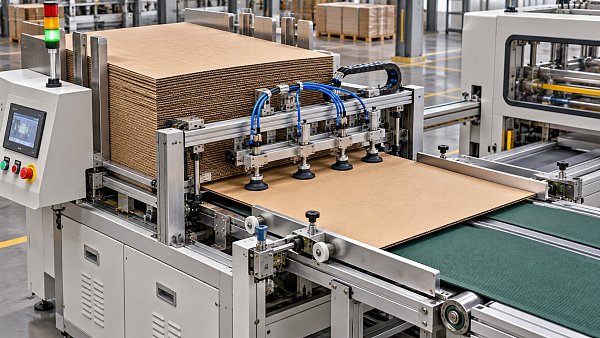
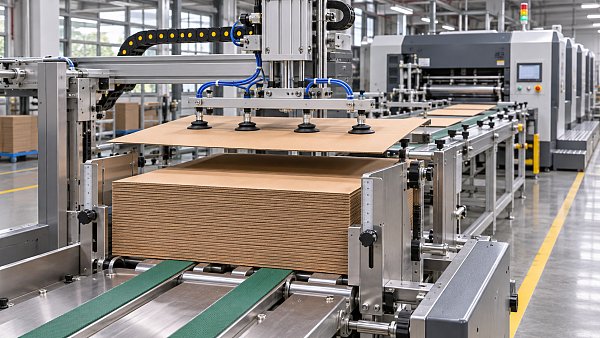
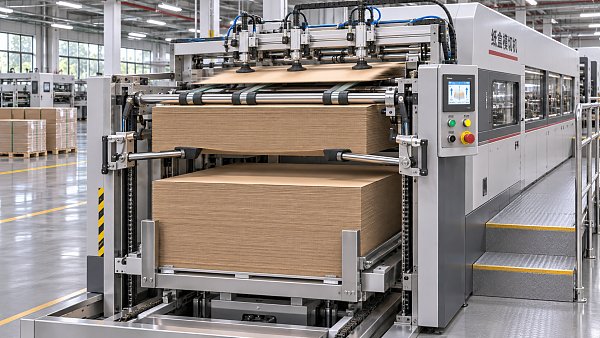
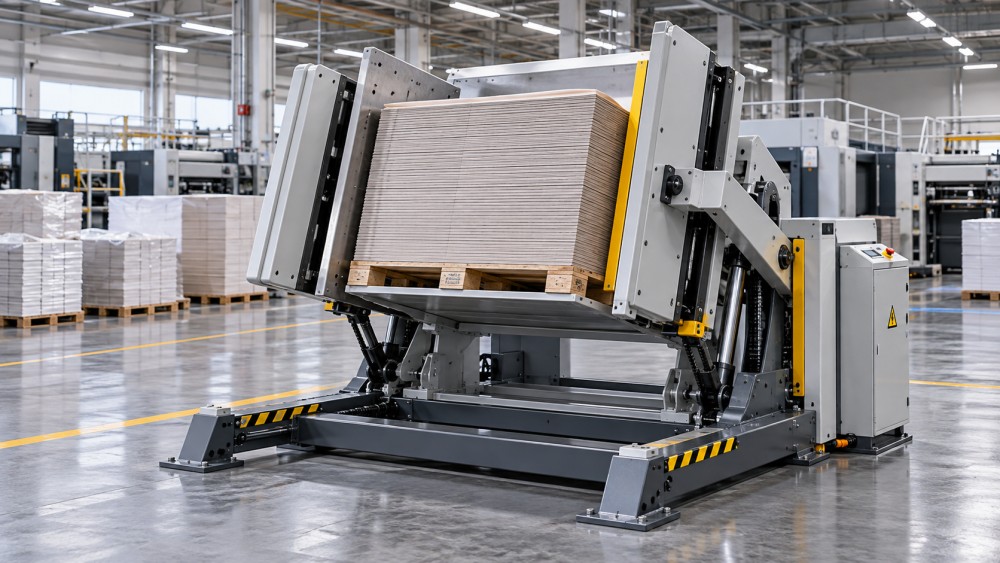
A pile turner rotates a stack of sheets while holding it between supporting surfaces. Depending on its design, it may also help exchange pallets, align sheets or introduce air into the pile. These operations can prepare material for printing or converting, but not every application needs every function.
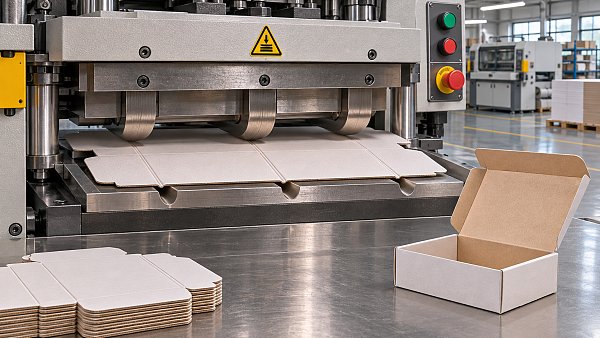
The first question is where handling causes a measurable production problem. A commercial printer may need to reverse sheets between printing passes or replace an incoming pallet before feeding a press. A folding carton plant may be more concerned with separating coated board and presenting a consistent pile to a die-cutter. A corrugated sheet plant may need to protect board edges and flute structure during transfer.
Describe the current sequence from arrival to the next machine: who moves the load, whether a pallet is exchanged, how the sheets are aligned, and where the pile waits. This exposes requirements that a capacity figure cannot show. It also helps determine whether the real constraint is turning, material transport, feeder preparation or downstream availability.
Define the Complete Operating Envelope
The stated maximum load is only one limit. Check how the manufacturer defines it and whether the rating includes pallets, top boards, protective sheets and any handling fixtures. If two pallets are inside the machine during an exchange, both may contribute to the supported weight. Ask whether the full rating applies across the intended pile sizes, heights and center-of-gravity positions.
Prepare a range of actual loads rather than a single nominal specification. Include the smallest and largest sheet formats, minimum and maximum pile heights, pallet dimensions, typical pile weights and the heaviest credible production load. A machine that accepts the largest format may not handle a much smaller pile securely, especially if clamping surfaces or alignment features cannot be adjusted appropriately.
Load geometry matters as much as weight. Uneven stacks, overhanging sheets and piles with a high center of gravity can shift during rotation. Confirm the allowable overhang, load distribution and support requirements with the supplier. Capacity should be assessed for the complete handling cycle, including loading and unloading, not just for a stationary pile.
For pallet compatibility, provide drawings or samples of the pallets in use. Entry direction, deck construction, height and condition can affect how a load is presented and exchanged. If a plant changes between delivery pallets and press pallets, confirm which surface is removed, how the replacement is positioned and whether an operator must enter the working area.
Match Clamping and Movement to the Substrate
A heavy pile does not necessarily tolerate heavy pressure. Coated paper can mark or block; freshly printed surfaces may scuff; and corrugated board can be damaged if clamping concentrates force on unsupported areas. Thin stock may shift more readily, while stiff board can resist alignment in a different way.
Ask how clamping force is set, controlled and repeated, and whether the machine provides suitable contact surfaces for the material. The objective is to hold the stack securely throughout rotation without damaging it. A supplier should explain the adjustments available for different substrates rather than relying on a single recommended setting.
For printed work, assess both visible marking and functional damage. A scuff in an unprinted margin may be manageable; damage to a barcode, a coated display surface or a critical carton panel may not be. Check whether the load requires protective boards and whether those boards change the effective pile height or weight.
Where possible, test representative stock, including the most sensitive material and a difficult load near the expected limits. Inspect the top, bottom and edges after handling, then verify feeding performance on the intended press or converter. A clean-looking pile at the turner is not enough if hidden movement causes repeated feeder stops later.
Decide Whether Airing and Jogging Solve a Real Problem
Airing directs air into a pile to help separate sheets; jogging uses controlled movement to help align edges. Both can be useful, but performance depends on substrate, pile condition and machine settings. Airing is not a substitute for proper ink drying or curing, and it will not necessarily resolve every cause of sheet sticking or static.
Evaluate the available control over airflow, position and treatment time. Excessive air or vibration may disturb a light or uneven pile, while insufficient treatment may leave feeding problems unchanged. For corrugated sheets, verify that the treatment does not damage edges or produce unacceptable movement between sheets.
Jogging should also be judged against the next process. A pile aligned for transport is not automatically aligned to the feeder’s requirements. Establish which edges are the reference edges before and after rotation, particularly when sheet orientation changes. If operators must manually re-square every pile afterward, the apparent benefit may be much smaller than expected.
Compare Throughput Using the Whole Handling Cycle
Rotation time alone is a poor basis for comparing heavy duty pile turners. The useful measure is the time from a load becoming available to a prepared load being ready for the next operation. Depending on the process, that includes transport, positioning, clamping, turning, pallet exchange, airing, jogging, unloading and any manual correction.
Compare that full cycle with the rate at which the press or die-cutter actually consumes piles. Include peak periods, job changes and the availability of the forklift or pallet truck. A faster turner may add little value if the operator is shared with another task or the downstream machine cannot accept the next pile.
Conversely, a modest increase in cycle time may be acceptable if it prevents feeder interruptions or reduces damage. Record the assumptions behind each supplier comparison: pile size, weight, treatment settings, loading method and staffing. Without those conditions, nominal cycle times are not directly comparable.
Check Layout, Interfaces and Operator Access
A footprint drawing is a starting point, not a complete layout. Allow for the machine’s moving envelope, guarding, loading approach, pallet storage, maintenance access and the turning radius of the handling vehicle. Check floor loading and installation requirements with the equipment supplier and the appropriate site engineer. Doorways and delivery routes also matter before the machine reaches its final position.
The loading arrangement changes how the machine fits into production. Floor-level loading may suit a pallet truck, while another configuration may require a forklift or an integrated conveying system. Verify the actual working heights and approach directions rather than assuming that existing vehicles can be used without modification.
For automated installations, define the interface between the pile turner and upstream or downstream equipment. This may include load-ready signals, interlocks, fault handling and responsibility for restarting the line after a stop. Agree which supplier owns each interface and how the complete sequence will be tested. Networking is useful only if the resulting information or control supports an identified operational need.
Treat Safety as a System Requirement
Turning heavy, potentially unstable loads creates risks at clamping points, moving structures and loading zones. Review guarding, access control, emergency stops and safe recovery procedures as part of the proposed layout. The applicable requirements depend on the destination market, installation and risk assessment; request the relevant documentation and confirm it against local obligations.
Pay particular attention to abnormal situations. What happens if power is lost with a pile elevated or partially turned? How is a shifted load secured? Can maintenance personnel isolate stored electrical, hydraulic or pneumatic energy? Who is allowed to reset the machine, and from where can they see the danger zone?
A safe design should not depend on operators improvising around a damaged pallet or clearing a fault while another person can restart the cycle. Include foreseeable tasks such as cleaning, jam recovery, adjustment and inspection in the assessment—not just normal automatic operation.
Look Beyond Purchase Price
Operating cost includes labor for loading and supervision, power and compressed air where required, routine maintenance, replacement parts, damaged stock and production time lost during faults. Ask suppliers to identify utility requirements under the proposed configuration and distinguish installed power from expected consumption, which depends on actual use.
Review access to hydraulic components, hoses, filters, bearings, sensors and control equipment. Request a maintenance schedule, recommended spare parts, troubleshooting documentation and details of local service support. For a machine tied closely to a press or converting line, the time needed to diagnose and obtain a critical component can matter more than the price of a routine spare.
Also establish what is included in installation, commissioning and training. A low initial quotation may exclude guarding changes, unloading, electrical work, integration or production trials. Comparing complete scopes reduces the risk of discovering those costs after the equipment has been selected.
Turn the Shortlist Into a Testable Specification
Before requesting final proposals, assemble a short load and process dossier: representative substrates, sheet and pallet dimensions, pile heights and weights, required orientation changes, current handling methods, available space and target production rate. Identify sensitive materials and the defects that would make a load unacceptable.
Then agree on acceptance tests. These can include the largest and smallest intended loads, pallet exchange, cycle time under defined conditions, inspection for sheet damage, feeder performance and recovery from a controlled fault. Specify where the tests will occur, who supplies the materials and how unresolved items will be closed after installation.
Global Commercial Print & Corrugated Packaging Intelligence (CPCS) approaches equipment selection as part of the wider printing and packaging process. That perspective is useful here: the right pile turner is the one whose handling limits, operating sequence and support arrangements fit the actual pressroom or converting line. Confirm those details with suppliers before treating a headline load rating as a decision.
Related News
 How to Choose a Sheet Feeder for Paperboard ProductionChoose the right sheet feeder for paperboard with practical tips on material handling, line speed, integration, and trials to improve production reliability.Post-Press Kinematics Expert
 How Do Creasing Dies Prevent Cracks in Folded Cartons?Creasing Dies help prevent carton fold cracks through controlled deformation. Discover key tooling factors and practical production tips for cleaner, more consistent folds.Post-Press Kinematics Expert
 How to Prevent Sheet Misfeeds in an Automatic Feeder SystemPrevent automatic feeder system misfeeds with practical checks for sheet alignment, suction, air separation, timing, and double-sheet detection.Post-Press Kinematics Expert
 How Do Non Stop Feeder Piles Reduce Die-Cutter Downtime?Discover how non stop feeder piles reduce die-cutter downtime, improve pile-change efficiency, and keep sheet feeding reliable on long production runs.Post-Press Kinematics Expert
 USITC Advances Trade Probe Into Corrugated Die-Cut BoxesCorrugated die-cut boxes face a USITC trade probe. Explore what the investigations could mean for packaging costs and sourcing.Post-Press Kinematics Expert
 What to Consider When Choosing Heavy Duty Pile TurnersChoosing heavy duty pile turners? Discover how to assess load capacity, substrate handling, safety and operating costs to find the right fit for your production line.Post-Press Kinematics Expert