What to Ask a Paperboard Die Cutter Supplier Before Buying
What to Ask a Paperboard Die Cutter Supplier Before Buying
Choosing a paperboard die cutter supplier involves more than comparing machine prices and advertised speeds. Procurement teams also need to assess material compatibility, cutting and creasing accuracy, changeover time, maintenance requirements, and after-sales support. Asking the right questions before buying can reveal whether a machine will meet production targets, integrate with existing workflows, and deliver reliable performance over its operating life.
The most useful conversation starts with the jobs the machine must run, not the model the supplier wants to quote. Bring production, maintenance and quality colleagues into that conversation early: each will notice risks that a commercial comparison alone may miss.
Which materials and jobs can the machine actually handle?
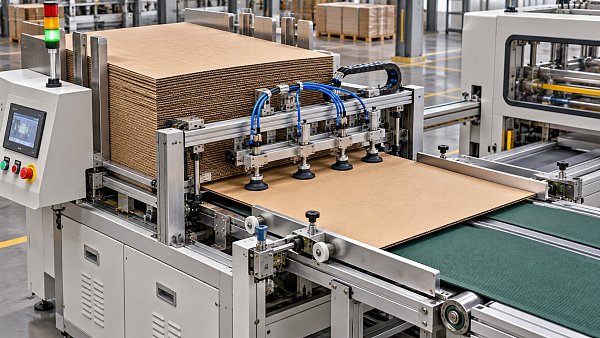
A machine described as suitable for paperboard may not perform equally well across every carton grade, sheet size and printed finish. Ask the supplier to confirm the supported material range in writing, including board weight or thickness, maximum and minimum sheet dimensions, and any restrictions on coated, laminated or printed stock. If corrugated sheets are also part of the production mix, specify the flute profiles and board constructions rather than assuming that paperboard capability extends to them.
Share a representative set of job specifications: sheet layout, grain direction, number of cut-outs, crease pattern, print-to-cut registration requirements and expected order quantities. Include difficult work, such as thin sheets that are prone to feeding problems or layouts with narrow waste sections. A supplier should be able to explain where the machine has comfortable operating margins and where special tooling or slower running may be necessary.
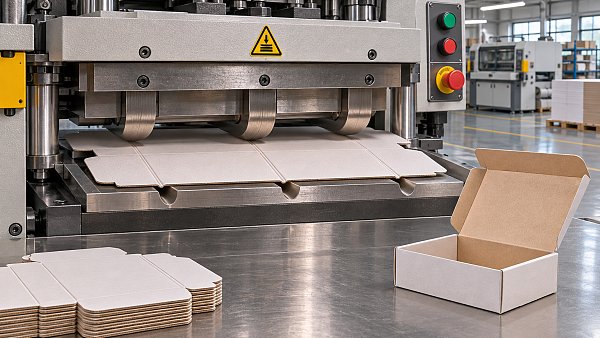
Also ask whether a flatbed or rotary die-cutting configuration is more appropriate for the intended work. Flatbed systems are often considered for complex cutting and creasing; rotary systems may suit certain high-volume, repeatable applications. The better choice depends on the product, tooling, run length and required finish—not on a general claim that one technology is faster.
What output can be sustained on our production mix?
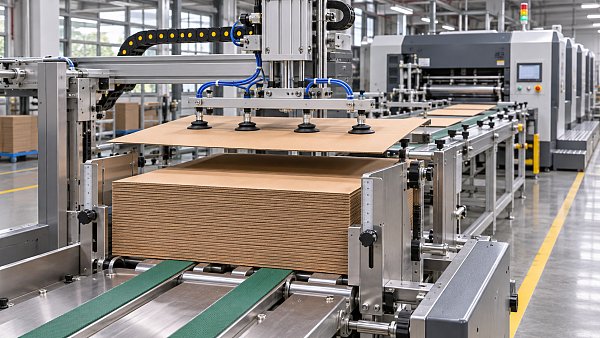
A maximum mechanical speed is not the same as saleable output. It may be measured under conditions that differ from your board, sheet layout, quality requirements or staffing arrangement. Ask the supplier what limits speed on the proposed configuration: feeding stability, print registration, stripping, delivery, operator intervention or downstream handling.
Request an estimate for several representative jobs, with assumptions stated for setup, running speed, planned stoppages and waste. Use those assumptions to calculate good sheets or finished blanks per shift. If the machine can run quickly but requires frequent adjustment or creates a pile-up at delivery, the headline figure has limited purchasing value.
For short-run work, ask how long it takes to change dies, prepare the cutting plate, set creasing elements, adjust the feeder and align stripping tools. Establish where the measurement starts and ends: removing the previous job to producing an approved sheet is more useful than timing only the die exchange. Discuss the skill level assumed and which tasks can be prepared while the machine is running another order.
How will cutting, creasing and registration be verified?
Accuracy claims need a measurement method. Ask whether the quoted tolerance refers to sheet positioning, cutting relative to print, repeatability or another characteristic. Clarify the material, sheet size, machine speed and measurement points behind the claim. A tolerance measured on a stable, unprinted sheet may not reflect the result on a coated sheet with a demanding printed layout.
Creasing deserves the same attention as cutting. A carton that separates cleanly but cracks at the fold or runs poorly through the folder gluer can still create expensive rework. Discuss how pressure is adjusted across the sheet, how make-ready is performed and what the supplier recommends for matching creasing rules and channels to the board.
Where possible, arrange a trial using your own material, printed sheets and a representative die. Agree in advance on the quantity, operating conditions and acceptance criteria. Inspect not just the first approved sheet, but samples from different points in the run. If downstream folding is critical, test the die-cut blanks on the intended folder gluer as well.
What is included in the quotation—and what is not?
Two quotations can appear comparable while covering very different scopes. Ask for an itemized offer that separates the base machine from options, tooling, installation and services. In particular, establish whether feeding, stripping, blanking, delivery and inspection features are included or priced separately.
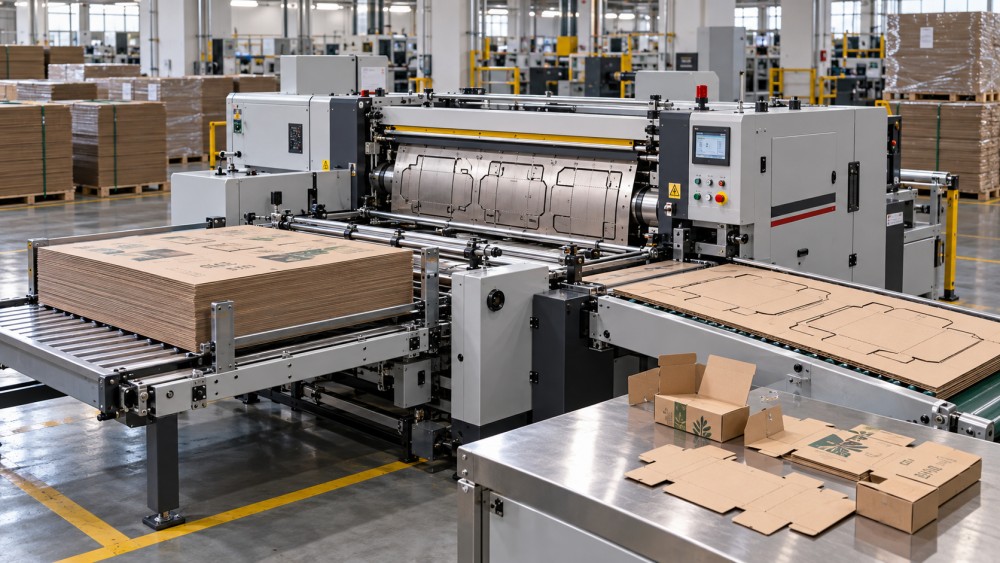
A stripping section removes selected waste from the sheet; a blanking section can separate individual carton blanks for delivery. Neither should be treated as automatically necessary for every operation. Their value depends on sheet layouts, labor arrangements and what happens next. Ask the supplier to identify which jobs need them, what tools they require and how much setup they add.
Check the commercial boundaries as closely as the equipment list. The proposal should state responsibility for freight, unloading, rigging, foundations, utilities, commissioning, operator training and travel expenses. Confirm the delivery term, payment milestones, warranty start date and any taxes or import costs that fall outside the quote. If software or remote support requires an ongoing fee, include it in the comparison.
What will the machine cost to operate?
Purchase price is only one part of the decision. Build a cost model around the output you expect to sell, using the same planning period and production assumptions for each proposal. Include labor, electricity, compressed air where applicable, routine maintenance, spare parts, tooling, consumables and expected waste. Treat productivity estimates as scenarios until they are supported by trial or operating evidence.
Tooling can change the economics of frequent order changes. Ask about die formats, cutting plates, stripping and blanking tools, consumable life and compatibility with existing dies. A lower machine price may be offset if a large library of tooling must be replaced. Conversely, an existing die may fit physically but still need modification to perform correctly on the new machine.
Compare the cost per good blank, not simply the cost per machine hour. For a straightforward estimate, divide the relevant operating costs for a job by the number of acceptable blanks produced, then account separately for any tooling and setup costs allocated to that order. Document what is included so that quotations are compared on the same basis.
Can it fit the factory’s workflow?
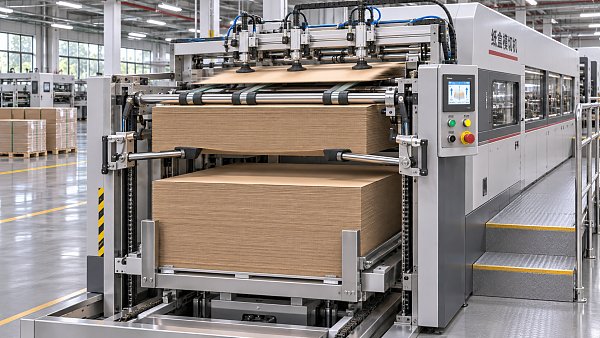
A die cutter sits between processes. Ask how sheets will arrive from printing or storage, how pallets are loaded, where waste is removed and how finished blanks move to folding, gluing or packing. Review floor space for maintenance access and material movement as well as the machine footprint. A compact layout on a drawing can become awkward if operators have no room to change tooling or remove waste.
If integration is planned, identify the interfaces and responsibilities before purchase. Can the machine exchange job or production data with the plant’s existing systems? What signals are available for conveyors, inspection equipment or downstream handling? Ask who supplies and tests the connection, and whether the quoted scope includes software changes. Avoid assuming that an available interface means a complete integration.
Utilities and site conditions also need confirmation: electrical supply, compressed-air quality and capacity, environmental conditions, load-bearing requirements and access for delivery. Applicable machinery safety and documentation requirements depend on the installation market and the complete configuration. Ask the supplier to identify the requirements it will meet and provide supporting documentation for review.
Who will support the machine after installation?
Service capability is easy to overlook when the machine is new. Ask where technical support is based, which languages and hours are available, and how faults are escalated. Distinguish remote diagnosis from an on-site visit: they solve different problems and may have different charges or response commitments.
Request a recommended spare-parts list, including wear items and critical components, with indicative availability and ordering arrangements. Confirm whether parts can be sourced locally, whether alternatives are approved and how long the supplier expects to support the model. For components controlled by third-party manufacturers, ask who handles diagnosis and replacement.
Training should cover more than starting and stopping the machine. Discuss make-ready, safe tool changes, routine maintenance, fault recovery and quality checks for operators and maintenance staff. Ask what documentation will be supplied and whether refresher training is available when personnel change.
How will delivery and acceptance be managed?
Agree on a project schedule that separates manufacturing, shipment, installation, commissioning and acceptance. Identify dependencies on both sides: site readiness, utilities, tooling delivery, sample material and the availability of trained staff. A promised delivery date is less useful if it does not say whether it refers to dispatch, arrival or production readiness.
Put the acceptance process into the contract. A factory acceptance test, if agreed, can check the configuration and performance before shipment; site acceptance can confirm operation after installation. Define the test material, tooling, run conditions, measurements and responsibilities. Include a process for recording deficiencies, correcting them and repeating the relevant test. Payment milestones should reflect the agreed commercial and technical obligations, rather than leaving acceptance open to interpretation.
Before making the final comparison, send each shortlisted supplier the same job samples and scope questions. Record exceptions beside each offer, including assumptions that remain unverified. Global Commercial Print & Corrugated Packaging Intelligence (CPCS) provides context on converting equipment and connected production processes; that broader view is useful when a purchasing decision affects printing, finishing and factory automation at the same time. The strongest proposal is the one whose performance, costs and support can be checked against the work the factory actually intends to run.
Related News
 How to Choose a Sheet Feeder for Paperboard ProductionChoose the right sheet feeder for paperboard with practical tips on material handling, line speed, integration, and trials to improve production reliability.Post-Press Kinematics Expert
 How Do Creasing Dies Prevent Cracks in Folded Cartons?Creasing Dies help prevent carton fold cracks through controlled deformation. Discover key tooling factors and practical production tips for cleaner, more consistent folds.Post-Press Kinematics Expert
 How to Prevent Sheet Misfeeds in an Automatic Feeder SystemPrevent automatic feeder system misfeeds with practical checks for sheet alignment, suction, air separation, timing, and double-sheet detection.Post-Press Kinematics Expert
 How Do Non Stop Feeder Piles Reduce Die-Cutter Downtime?Discover how non stop feeder piles reduce die-cutter downtime, improve pile-change efficiency, and keep sheet feeding reliable on long production runs.Post-Press Kinematics Expert
 USITC Advances Trade Probe Into Corrugated Die-Cut BoxesCorrugated die-cut boxes face a USITC trade probe. Explore what the investigations could mean for packaging costs and sourcing.Post-Press Kinematics Expert
 What to Consider When Choosing Heavy Duty Pile TurnersChoosing heavy duty pile turners? Discover how to assess load capacity, substrate handling, safety and operating costs to find the right fit for your production line.Post-Press Kinematics Expert