How to Select Precision Pressure Rolls for Consistent Die Cutting
How to Select Precision Pressure Rolls for Consistent Die Cutting
For procurement teams evaluating die-cutting equipment, precision pressure rolls are a critical factor in achieving clean cuts, stable creases, and consistent carton quality at production speed. The right roll design influences pressure uniformity, material adaptability, tool life, waste levels, and long-term maintenance costs. This guide explains how to assess precision pressure rolls for reliable die-cutting performance and smarter packaging equipment investment.
The component may look secondary beside a die-cutting press, feeder, stripping station, or automation package. In production, however, it sits directly inside the force-transfer system. A pressure roll that is poorly matched to the die, substrate, machine geometry, or operating rhythm can turn a capable converting line into a source of uneven cuts, cracked scores, edge fraying, and repeated setup adjustments.
That is why a buying decision should not begin with roll price alone. The more useful question is: can this pressure-roll system maintain controlled, repeatable contact across the actual jobs the plant expects to run? For carton converters, corrugated packaging producers, commercial printers, and equipment integrators, the answer depends on several connected variables rather than one catalog specification.
What the roll is really being asked to do
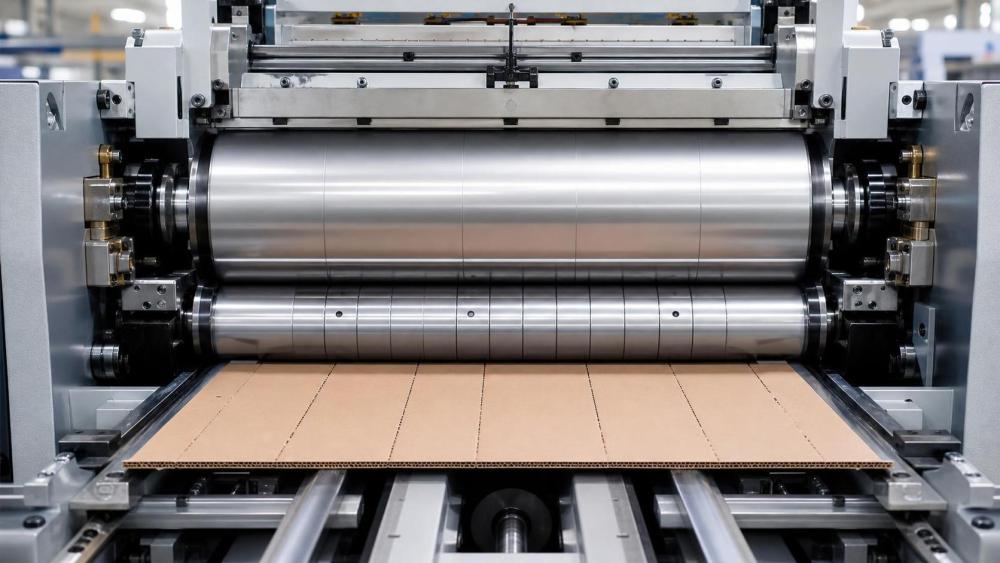
In rotary die cutting, the pressure roll commonly works as the counterpressure or anvil-side element opposite the cutting cylinder. In other converting arrangements, it may support sheet transport, nip formation, creasing control, or pressure delivery through a specific station. Its central job is not simply to “apply pressure.” It must distribute force predictably while rotating accurately, resisting wear and avoiding damage to either the cutting tool or the material.
The purchasing implications are substantial. If the roll surface is not sufficiently uniform, one area of the sheet may cut through while another remains attached. If roll runout or bearing condition is poor, the cut can vary cyclically as the roll turns. If the surface material is too hard, too soft, or incompatible with the die and substrate, tool wear or cut instability may follow. These faults often appear first as operator complaints, but their cost is usually carried through scrap, reduced throughput, longer make-readies, rework, and delayed delivery.
The correct selection also depends on the machine type. A high-speed corrugated rotary die-cutter faces different loading patterns from a machine producing folding cartons from solid board or laminated paperboard. Likewise, a replacement roll for an installed press should be evaluated against the condition and accuracy of adjacent cylinders, shaft interfaces, gears, bearings, pressure controls, and die tooling. A highly accurate new roll cannot compensate indefinitely for an inaccurate surrounding assembly.
Start with the job mix, not the supplier brochure
The most reliable procurement process starts with production evidence. Before comparing suppliers, collect a representative picture of the work passing through the die-cutting section: board and paper grades, thickness variation, flute profiles where relevant, coated or laminated surfaces, sheet dimensions, cut geometry, crease density, printed-side sensitivity, run lengths, and expected speed range.
A plant running mostly regular slotted containers has different requirements from one producing retail-ready displays with complex cut patterns. Short runs with frequent job changes place a premium on predictable setup and repeatability. Long runs may place greater emphasis on surface durability, stable thermal behavior, and maintenance intervals. For printed cartons, even a technically acceptable cut may be commercially unacceptable if pressure variation marks the print surface, disturbs registration, or makes downstream folding inconsistent.
It is also useful to separate current demand from planned demand. Procurement teams often buy around the jobs they know today, then discover that the production plan includes lighter recycled grades, more e-commerce packaging, water-based print systems, shorter lead times, or more complex brand packaging. A roll specification should not be stretched into a future-proof claim without evidence, but it should be reviewed against realistic changes in product mix and capacity planning.
The technical checks that matter most
Suppliers may describe a pressure roll in broad terms such as “precision machined” or “wear resistant.” Those descriptions are not enough for a decision. Ask what the supplier will measure, document, and accept as part of the delivered component. The exact tolerances must suit the machine and application, but the following areas deserve direct review.
Concentricity and runout require particular attention because they are easy to discuss vaguely and difficult to correct after installation. Procurement should request that the supplier define where and how these properties are checked. Measurements taken at a journal, a coated surface, and a finished roll body do not answer exactly the same question. The buyer should also confirm whether inspection takes place before or after any surface treatment, grinding, coating, or final assembly.
Surface selection is equally application-specific. Depending on the die-cutting system, the pressure surface may be steel, polyurethane, elastomeric material, or another engineered layer. Each approach involves a trade-off between dimensional stability, resilience, cutting interaction, wear behavior, and the consequences of accidental contact with the die. A supplier should explain the reason for its recommended surface rather than simply naming a material grade.
Pressure uniformity is a system issue
A common purchasing mistake is to treat the roll as an isolated precision part. Consistent die cutting depends on the full load path: cylinder rigidity, roll construction, bearings, side frames, adjustment mechanism, drive synchronization, die condition, substrate variability, and operator setup. If a machine frame deflects under load, or if the pressure setting varies across the working width, replacing only the roll may not cure the root cause.
This does not reduce the importance of precision pressure rolls. It changes how they should be specified. Ask the equipment supplier or roll manufacturer what operating conditions the design assumes. Is the roll intended for a particular maximum working width, load pattern, machine speed, or die-cutting format? Does the proposed solution require changes to bearings, adjustment hardware, or control settings? Is the roll matched to a specific die-cylinder arrangement?
For replacement projects, a practical inspection of the existing machine before ordering can prevent avoidable disputes later. Check bearing wear, journal damage, mounting alignment, pressure-actuation condition, and evidence of uneven contact across prior jobs. If the issue is concentrated at one edge of the sheet, the source may be alignment, frame stiffness, feeder condition, or board quality rather than the roll surface alone.
Do not overlook die life and material behavior
Cut quality and die life are closely connected. Excessive pressure can force a clean cut in the short term while accelerating wear, damaging the counter surface, crushing corrugated flute structure, or increasing dust. Insufficient pressure can leave uncut ties, weak separation, and inconsistent stripping. The best operating point is not the highest pressure the system can deliver; it is the lowest stable pressure that achieves the required cut and crease result for the job.
This becomes more difficult when material variation is significant. Recycled linerboard, changing moisture conditions, different flute combinations, laminated constructions, and coated papers can behave differently under the same die settings. A roll design with appropriate surface properties and stable geometry gives operators a wider usable process window. It does not eliminate the need for job-specific setup, but it can reduce how often that setup becomes a trial-and-error exercise.
Buyers should ask suppliers how the recommended roll interacts with the intended die technology, including the die manufacturer’s guidance where available. It is sensible to involve production, maintenance, tooling, and quality personnel in this discussion. Procurement may own the purchase order, but the operating cost will be experienced across the plant.
Compare suppliers on evidence, not promises
When comparing quotations, normalize the scope. One offer may include final grinding, inspection records, balancing, installation support, or a defined repair route, while another may include only the physical roll. A lower initial price is difficult to evaluate unless the interface responsibility, surface specification, documentation, packaging, transport protection, and warranty boundaries are equally clear.
Useful questions include:
- What drawing revision and machine reference will govern manufacture?
- Which dimensional and surface characteristics will be included in the inspection documentation?
- How will the roll be protected against handling damage and corrosion during shipment and storage?
- What site conditions must be verified before installation?
- What symptoms indicate that resurfacing, recoating, or replacement is required?
- Can the supplier support troubleshooting if cut variation remains after the roll is fitted?
The final question matters because die-cutting defects are rarely convenient. A component supplier that can help distinguish roll-related issues from die wear, pressure settings, board variation, or machine alignment provides more practical value than one that only confirms the shipment dimensions.
Treat maintenance as part of the selection decision
A pressure roll may remain in service for a long period, but it should not become invisible after installation. Surface damage, embedded debris, coating wear, journal wear, bearing deterioration, and handling damage can gradually reduce cut consistency. The plant should define inspection points that fit its production environment, especially after a die crash, a change in material behavior, or recurring quality complaints.
Cleaning instructions deserve attention as well. Aggressive tools or unsuitable chemicals can alter surface condition, particularly on coated or resilient roll designs. Maintenance teams need clear guidance on cleaning materials, permitted repairs, storage conditions for spare rolls, and the records needed to track resurfacing history. Without that discipline, it becomes difficult to distinguish normal process variation from a declining mechanical condition.
Digital maintenance records can make this easier. In connected packaging plants, linking roll service history with job data, die changes, defect reports, and downtime observations can reveal patterns that are not visible from a single shift report. This is consistent with the wider shift in corrugated and print operations toward system-based investment: component decisions should be judged by their effect on uptime, waste, labor, and reliable delivery, not only by unit cost.
A more defensible buying decision
For a procurement team, the strongest specification is usually one that links the roll to a defined application rather than a generic claim of precision. It should identify the machine, operating width, intended material range, die-cutting arrangement, interface dimensions, required inspection evidence, surface expectations, service responsibilities, and acceptance process. Where the application is complex, a trial or technical review using representative jobs may be more informative than a broad promise of compatibility.
CPCS examines equipment choices across commercial printing, corrugated packaging, converting, and factory automation from this operational perspective. For die-cutting investments, the useful comparison is not merely between roll suppliers or machine brands. It is between different levels of process control, maintainability, tooling protection, and exposure to avoidable waste.
Before issuing an order, bring the machine builder, roll supplier, tooling source, maintenance team, and production owner into the same technical conversation. Confirm the drawings, inspect the machine condition, define what “consistent” means for the jobs being run, and agree on the evidence required at delivery. That approach gives precision pressure rolls the role they should have: not a hidden spare part, but a controlled element in repeatable die-cutting performance.
Related News
 How Flatbed Steel Rule Dies Improve Cut Accuracy and Changeover SpeedFlatbed steel rule dies improve cut accuracy, crease quality, waste release, and changeover speed. Discover practical tooling tips for reliable, efficient converting.Post-Press Kinematics Expert
 How Platen Presses Support Precise Foil Stamping and Die CuttingPlaten Presses deliver precise foil stamping, clean die cutting, and reliable creasing for premium packaging. Discover setup practices that improve quality and reduce waste.Post-Press Kinematics Expert
 How Pre-Breaking Units Reduce Cracking in Die-Cut Carton FoldsPre-Breaking Units help reduce cracking in die-cut carton folds by easing bend stress, improving fold accuracy, and supporting high-speed carton production.Post-Press Kinematics Expert
 How a High Pile Feeder Reduces Downtime in Die-CuttingHigh pile feeder solutions reduce die-cutting downtime, improve sheet supply stability, and help packaging plants increase throughput with fewer interruptions.Post-Press Kinematics Expert
 Carton Die Cutting for Folding Cartons That Reduces Setup WasteCarton die cutting for folding cartons reduces setup waste with stable registration, reliable creasing, smarter tooling, and repeatable production control.Post-Press Kinematics Expert
 How to Choose Hardened Die Cutting Knives for Longer Production RunsHardened die cutting knives for longer runs: learn how to balance hardness, edge profile, consistency, and total conversion cost for reliable results.Post-Press Kinematics Expert