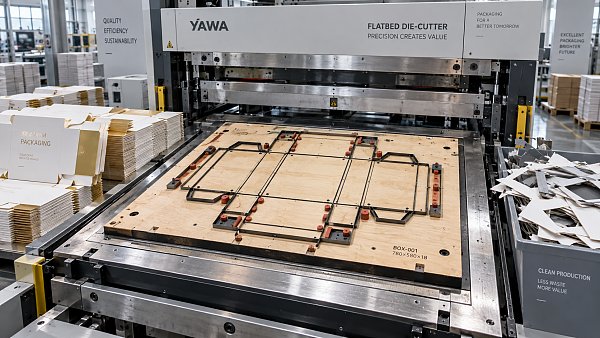
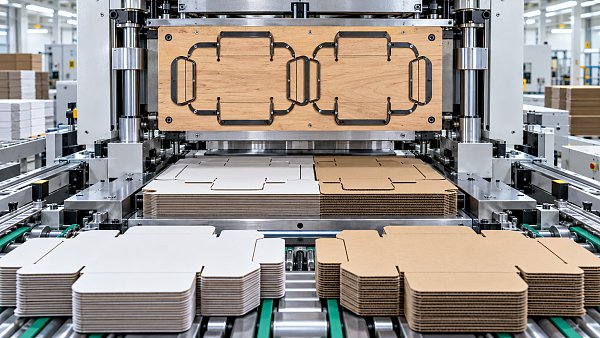
How to Choose a Steel Rule Die Manufacturer for Consistent Carton Quality
If you are comparing a steel rule die manufacturer, the real question is not who offers the lowest quote. It is who can deliver repeatable cutting and creasing quality under your actual production conditions. A die that looks acceptable in a sample run can still create edge cracking, weak creases, registration drift, or frequent stoppages once it goes onto a live carton line. For procurement teams, the right supplier decision comes down to one practical result: fewer quality complaints, less waste, and more stable output over time.
Many buyers get stuck because most suppliers claim precision, fast lead times, and good service. Those claims are easy to make. What matters is whether the manufacturer understands board structure, carton design intent, press and die-cutter behavior, and the small production variables that affect consistency. That is where the supplier gap shows up.
What procurement should really evaluate in a steel rule die manufacturer
A good die supplier is not just selling a tool. They are influencing creasing behavior, stripping performance, blank separation, folding quality, glue-line stability, and machine uptime. In folding carton and corrugated converting, those effects are connected. If the die is wrong, the problem does not stay in die-cutting. It moves downstream into folding, gluing, packing, and even barcode readability if panel distortion becomes serious.
A short answer is this: choose the supplier that can prove stable die accuracy, consistent material selection, and reliable technical support for your board grades, carton structure, and machine conditions. Price matters, but only after those basics are clear.
That sounds obvious, but in practice many RFQs still focus too heavily on unit cost and nominal delivery time. Procurement should look at total converting impact instead.
Start with your own production reality, not the supplier brochure
Before comparing vendors, define the operating conditions the die must survive. A manufacturer that performs well for simple mono cartons may not be the right fit for heavy corrugated transit packaging, small pharmaceutical cartons, or display work with tight visual tolerances.
At minimum, confirm these points internally:
- Board type and flute profile, or paperboard grade and caliper range
- Print process and registration sensitivity
- Die-cutting machine model, speed range, and feeding stability
- Required crease quality, fold accuracy, and stripping difficulty
- Order profile: long runs, short runs, or frequent job changes
- Common failure modes in your current production
This step is often skipped. Then procurement asks several suppliers for quotes on the same drawing, but without the production context that determines die design success. The result is a misleading comparison.
If one plant runs mixed short orders with fast changeovers and another runs long stable batches, they should not evaluate a die supplier in the same way. The first needs stronger responsiveness and setup consistency. The second may care more about long-run wear life and repeatability over multiple reorders.
Die accuracy is only part of the story
Buyers often ask about dimensional precision first, and that is reasonable. Clean rule bending, tight tolerance in layout, accurate nick placement, and proper relationship between cutting and creasing lines are all essential. But carton quality problems are rarely caused by one number alone.
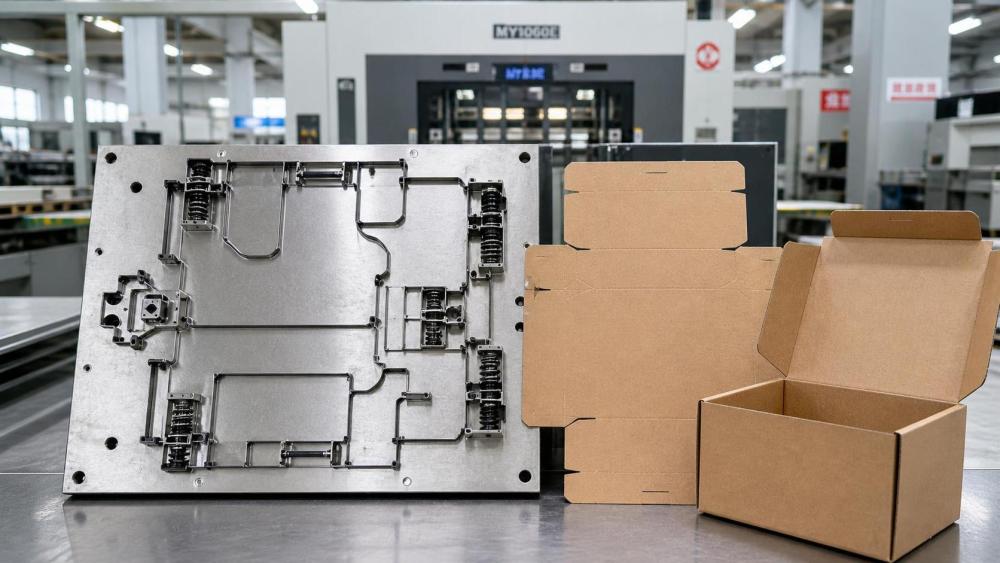
What matters more is whether the die is built as a working system. That includes rule height consistency, suitable hardness, proper ejection rubber selection, balanced stripping layout, and creasing specifications matched to substrate behavior. A technically capable steel rule die manufacturer should be able to explain these choices in plain language, not hide behind general statements like “high quality material.”
For example, a crease that works on one paperboard grade may create cracking or poor fold memory on another. A rule configuration that performs at moderate speed may become unstable at higher throughput. If the supplier never asks about substrate, machine speed, or downstream folding performance, that is a warning sign.
Material quality: where low-price offers often start to fail
Low-cost dies can look competitive because the savings are not always visible at receipt. The risk appears later through faster rule wear, inconsistent cutting pressure, weaker crease recovery, board dust, or a shorter useful life between maintenance cycles.
When reviewing suppliers, ask specific questions about:
- Source and grade of cutting rules and creasing rules
- Plywood or dieboard stability
- Rubber type and expected compression behavior
- Whether they standardize material selection by application or choose case by case
- How they manage repeat orders to keep build quality consistent
You do not need every material detail in a purchasing meeting, but you do need confidence that the manufacturer controls these variables. A supplier that cannot clearly explain why a certain rule, matrix, or rubber combination is used for your carton type is probably relying on habit rather than process control.
Check how the supplier handles difficult jobs
Simple straight-line cartons do not reveal much. Complex windows, tight stripping sections, small apertures, reverse creases, heavy ink coverage, laminated board, and micro-flute structures reveal a lot.
If your production includes any of those, ask for examples of comparable work. Not marketing photos. Ask how they addressed common problems such as:
- bridging and incomplete waste stripping
- cracked scores on heavy coverage print areas
- uneven fold lines on mixed grain behavior
- blank movement at speed
- repeatability across remake orders
An experienced supplier will usually answer with process logic: board response, nicking strategy, rubber positioning, matrix choice, or machine-side adjustment recommendations. An inexperienced one will keep the discussion at a generic quality level.
Lead time matters, but recovery speed matters more
Most procurement teams ask for standard lead time. Fewer ask what happens when a die arrives and needs urgent correction, or when an order changes late, or when a repeat run must be shipped immediately. Yet those situations often have more cost impact than the original quote.
Ask the supplier how they manage:
- engineering changes after approval
- emergency remake or repair requests
- technical review before production starts
- digital file control and revision traceability
- response times when die performance causes stoppages
This is where supplier maturity shows. A manufacturer with organized job records, revision discipline, and practical support can protect uptime. One that only promises “fast service” usually becomes slow when problems are no longer simple.
Do not separate die quality from machine conditions
Carton plants sometimes blame the die for every converting issue. That is not always fair. Poor feeder stability, worn cutting plates, uneven pressure, substrate variation, operator setup differences, and downstream folder gluer settings can all distort the result.
That is why the better die manufacturers ask uncomfortable questions. They want to know your die-cutter model, chase condition, speed range, make-ready habits, and recurring faults. Procurement should see that as a positive sign. It means the supplier is trying to control the real process, not just close the order.
In practical terms, the best supplier fit is often the one that can work across departments. Purchasing may lead vendor selection, but production, tooling, quality, and prepress should all have input before approval.
A useful way to compare suppliers during evaluation
If you are down to two or three candidates, use a trial structure that reflects actual production risk. A clean sample from a basic design is not enough. Include at least one routine job and one technically sensitive job. Then score each supplier against the same criteria:
- first-run setup ease
- cutting cleanliness
- creasing consistency
- waste stripping performance
- stability at target speed
- need for operator compensation
- repeatability on second run or reorder
- response quality when feedback is given
This approach is much more useful than choosing by quote alone. It also helps procurement defend the decision internally, because the recommendation is tied to operating performance rather than opinion.
Common buying mistakes that create hidden cost
One common mistake is treating all die makers as interchangeable once the drawing is approved. They are not. Two suppliers can receive the same CAD file and produce very different field performance.
Another mistake is assuming the lowest die price saves money. In high-volume or quality-sensitive carton work, even a small increase in waste, stoppages, hand stripping, or remake frequency can erase that saving quickly.
A third mistake is evaluating only the first delivery. What you need is consistency across multiple orders, revisions, and production teams. A capable steel rule die manufacturer should be able to maintain quality not only when the job is new, but when the same tooling is reordered months later under normal commercial pressure.
Where industry information can help your supplier decision
When the decision involves more than one converting variable, procurement teams often need a broader technical view, especially if the issue sits between die design, die-cutting equipment, printing registration, and downstream finishing. This is where structured industry references are useful. Platforms such as CPCS, which focus on commercial print, corrugated packaging, converting systems, and packaging plant automation, can help buyers frame supplier evaluation in a more operational way. That is particularly useful when a tooling question is really part of a larger equipment, quality, or productivity discussion.
The point is not to outsource the decision. It is to avoid making a tooling decision in isolation when the carton line works as a system.
What a strong final decision usually looks like
In most cases, the best choice is the supplier that combines sound engineering discipline with predictable execution. They ask the right questions early, understand your substrate and machine context, document revisions carefully, and respond well when production reality is messy. They may not be the cheapest on paper. They are often the most economical once you account for setup time, scrap, line stability, and customer-facing carton quality.
When you are ready to choose a steel rule die manufacturer, ask a simple internal question: which supplier gives your plant the highest probability of running tomorrow’s jobs with fewer surprises? That is usually the right answer.
FAQ
How many suppliers should we test before selecting one?
Usually two or three is enough if the trial jobs are representative. More than that often adds noise without improving the decision.
Should procurement choose based on price if the carton design is simple?
Only if the job is truly low-risk and repeatability is not critical. Even simple cartons can create cost through poor creasing or inconsistent stripping.
Is local supply always better than offshore supply?
Not automatically. Local suppliers may offer faster correction and communication, but offshore suppliers can still be strong if revision control, logistics, and technical support are reliable.
What is the clearest sign a supplier may not be suitable?
If they quote quickly without asking about substrate, machine type, speed, or known production issues, they are probably not evaluating the job deeply enough.
Image Placeholder List
Suggested placement: After the section discussing die accuracy, material selection, and system-level performance.
Suggested image content: A labeled close-up comparison of steel rule die components and carton converting checkpoints, such as cutting rules, creasing rules, rubber, stripping layout, and resulting carton defects.
Suggested alt text: Steel rule die components that affect carton cutting and creasing consistency
Internal Link Anchor Text Suggestions
- flatbed die-cutter selection guide: equipment evaluation page
- how creasing quality affects folder gluer performance: process knowledge page
- corrugated converting line quality control points: technical guide page
- packaging machinery supplier evaluation checklist: procurement resource page
- vision inspection systems for carton production: automation solution page
External Authority Source Suggestions
- industry association technical publications on folding carton and corrugated converting
- official equipment manufacturer technical documentation for die-cutters and folder gluers
- paperboard or corrugated substrate supplier technical manuals on creasing and converting behavior
Related News
 How Flatbed Steel Rule Dies Improve Cut Accuracy and Changeover SpeedFlatbed steel rule dies improve cut accuracy, crease quality, waste release, and changeover speed. Discover practical tooling tips for reliable, efficient converting.Post-Press Kinematics Expert
 How Platen Presses Support Precise Foil Stamping and Die CuttingPlaten Presses deliver precise foil stamping, clean die cutting, and reliable creasing for premium packaging. Discover setup practices that improve quality and reduce waste.Post-Press Kinematics Expert
 How Pre-Breaking Units Reduce Cracking in Die-Cut Carton FoldsPre-Breaking Units help reduce cracking in die-cut carton folds by easing bend stress, improving fold accuracy, and supporting high-speed carton production.Post-Press Kinematics Expert
 How a High Pile Feeder Reduces Downtime in Die-CuttingHigh pile feeder solutions reduce die-cutting downtime, improve sheet supply stability, and help packaging plants increase throughput with fewer interruptions.Post-Press Kinematics Expert
 Carton Die Cutting for Folding Cartons That Reduces Setup WasteCarton die cutting for folding cartons reduces setup waste with stable registration, reliable creasing, smarter tooling, and repeatable production control.Post-Press Kinematics Expert
 How to Choose Hardened Die Cutting Knives for Longer Production RunsHardened die cutting knives for longer runs: learn how to balance hardness, edge profile, consistency, and total conversion cost for reliable results.Post-Press Kinematics Expert