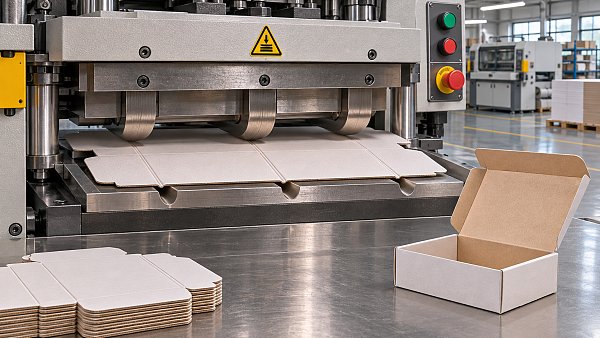
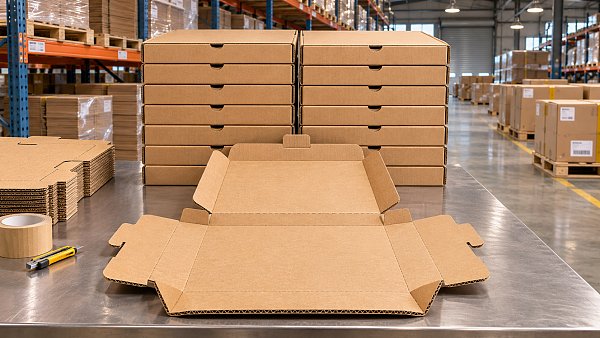
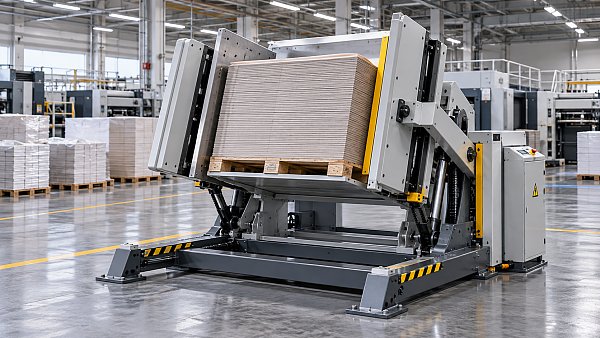
Platen Presses remain essential for operators who need consistent foil stamping, clean die cutting, and reliable creasing on premium cartons, labels, and paperboard packaging.
For daily production, the main advantage is not simply high pressure. It is controlled, evenly distributed pressure combined with stable sheet positioning and disciplined setup.
When correctly prepared, a platen press can produce sharp foil detail, accurate cut edges, and repeatable crease lines across demanding short runs or premium packaging jobs.
Operators achieve the best results by treating pressure, registration, tooling condition, stock behavior, and maintenance as one connected finishing process rather than isolated adjustments.
Why Even Pressure Matters in Foil Stamping and Die Cutting

The central working principle of Platen Presses is direct contact between two flat surfaces, creating a controlled pressure zone across the complete working sheet.
This pressure profile is especially valuable when a job includes fine foil elements, detailed embossing, narrow borders, or die-cut shapes close to printed graphics.
Uneven pressure creates visible quality defects. Foil may appear weak in one area, die cuts may remain partially uncut, and creases can become inconsistent.
A stable platen helps operators apply force uniformly, reducing the need for excessive pressure that may crush paperboard, damage printed surfaces, or shorten tooling life.
For high-value folding cartons, consistent impression supports both appearance and function. Cartons must look premium while also folding accurately during downstream gluing operations.
Pressure uniformity also supports repeatability between sheets. This is important when operators must maintain approved quality standards throughout long production runs or repeat orders.
The practical goal is not maximum tonnage. The goal is enough balanced pressure to transfer foil, cut material, and form creases without stressing the sheet.
How Platen Presses Improve Foil Stamping Quality
Foil stamping depends on the interaction between heat, dwell time, pressure, foil construction, adhesive coating, die engraving, and the surface characteristics of the substrate.
Platen Presses provide the firm contact needed for the foil adhesive layer to bond consistently to coated board, uncoated stock, textured paper, or laminated materials.
Because the platen closes in a controlled motion, operators can manage the period when the heated die contacts the sheet before the press opens.
This dwell period matters for difficult applications, including large solid foil areas, fine reverse details, metallic borders, and foil applied over heavily printed surfaces.
If dwell time is too short, foil may not release cleanly from the carrier. If it is excessive, edges can spread or paper surfaces may scorch.
Temperature settings should match the foil supplier's recommendations, but operators must also account for board moisture, coating type, room temperature, and production speed.
A controlled test sheet is the fastest way to verify results. Inspect foil coverage, edge sharpness, adhesion, pinholes, and unwanted transfer before starting full production.
Good foil stamping is usually achieved through small, documented adjustments. Large changes to heat or pressure often hide the actual cause of a defect.
Registration Control Starts Before the Sheet Reaches the Die
Accurate registration is critical when foil, die cutting, embossing, and printed graphics must align. Press precision cannot compensate for poorly prepared feeder settings.
Operators should first confirm sheet dimensions, trimmed edges, grain direction, curl condition, and stacking quality before loading material into the feeder.
Side guides, front lays, grippers, suction settings, and feeder timing must hold every sheet consistently. Sheet movement before impression causes cumulative registration errors.
Printed registration marks should be checked against the die and foil image during make-ready. Use approved reference sheets rather than relying on visual memory.
Minor sheet skew can produce obvious defects in narrow foil borders or close-tolerance carton windows. These jobs require slower setup and more frequent verification.
Static electricity, dust, warped stock, and inconsistent sheet thickness can disrupt positioning. Address these material conditions before increasing press pressure or changing tooling.
For repeat work, retain setup data such as guide positions, feeder settings, counterpressure layout, foil specifications, and approved sample sheets for future jobs.
Recorded settings shorten subsequent changeovers and help different operators reproduce quality. They also make troubleshooting more objective when a repeat job behaves differently.
Select the Right Die, Counterplate, and Make-Ready Materials
Precision finishing depends heavily on tooling condition. A well-maintained platen press cannot produce clean results with worn cutting rules, damaged dies, or uneven counterplates.
Die-cutting rules must be sharp enough to cut the selected board without requiring excessive force. Dull rules raise pressure demands and increase edge distortion.
Creasing rules require matching channels or matrix materials that support the board correctly. Poor channel selection creates cracked folds, weak scores, or carton misalignment.
Foil dies must be clean, securely mounted, and free from damage. Fine engraving should be inspected closely because blocked detail can resemble a pressure problem.
Make-ready sheets and packing materials allow operators to correct localized impression differences. They should be applied methodically, using evidence from actual test-sheet defects.
Adding packing randomly can create new pressure peaks elsewhere. Mark low-pressure or high-pressure areas clearly and make small adjustments between controlled test impressions.
Counterpressure preparation is equally important for die cutting. The cutting plate or counterplate must provide stable support without allowing the sheet to shift or deform.
Operators should replace consumable tooling before quality falls below acceptable standards. Continuing with worn materials often costs more through waste, downtime, and customer claims.
Set Pressure for the Material, Not for the Machine Maximum
Different substrates require different impression conditions. Lightweight paper, solid bleached sulfate board, recycled cartonboard, laminated stock, and corrugated microflute all react differently.
Start with the lowest practical pressure that produces complete foil transfer, clean cutting, and stable creasing. Increase settings gradually while inspecting each production-critical area.
Excessive pressure can flatten embossed features, crush board fibers, widen crease lines, increase dust, and leave marks on reverse surfaces or printed coatings.
Insufficient pressure may leave hanging chads, incomplete cut lines, weak foil coverage, or crease lines that resist folding. These defects create later production failures.
Material thickness variation requires attention throughout a run. Board from different pallets, suppliers, or storage conditions may need separate setup confirmation before processing.
Paperboard moisture content also affects performance. Dry board can crack during creasing, while overly humid stock may compress differently and reduce die-cut consistency.
When changing substrate, do not assume previous settings remain suitable. Test the new material with the actual die, foil, and production speed before releasing output.
Operators should communicate material-related issues to purchasing and prepress teams. Better board specifications and storage practices can eliminate recurring finishing problems at source.
Prevent Common Foil Stamping and Die-Cutting Defects
Incomplete foil transfer often results from insufficient heat, inadequate dwell, low pressure, incompatible foil, contaminated stock, or uneven die contact across the sheet.
Begin diagnosis by checking whether the defect appears in one location or everywhere. Localized defects usually point toward packing, die condition, or platen-level issues.
Foil picking away after stamping may indicate weak adhesive bonding, unsuitable coating, excessive silicone content, incorrect temperature, or a foil grade unsuitable for the substrate.
Blurred foil edges may result from too much heat or pressure. They can also indicate poor sheet stability, excessive die wear, or incorrect foil tension.
Incomplete die cutting should prompt inspection of cutting rule sharpness, packing condition, counterplate wear, material thickness, and whether waste stripping creates resistance.
Cracked creases commonly occur when channel width, rule height, or board grain direction is unsuitable. Reducing pressure alone may not solve the underlying problem.
Registration drift during production may come from feeder inconsistency, guide contamination, static, changing sheet curl, or worn mechanical components requiring maintenance attention.
Keep defect samples labeled by time, side, and press position. This practice turns troubleshooting into a measurable process instead of repeated subjective adjustments.
Run the Press Efficiently Without Sacrificing Finishing Accuracy
Production speed should follow the stability of the process. Running faster than the feeder, foil delivery, stripping section, or delivery system can reliably support increases waste.
During make-ready, slow operation allows operators to observe sheet movement, impression quality, foil release, and stripping performance before committing to production speed.
Once settings are stable, raise speed in controlled steps. Recheck the first sheets after each adjustment, especially on jobs with fine foil or complex waste stripping.
Foil feed tension must remain consistent. Loose foil can wrinkle or misregister, while excessive tension can break the web or create poor release behavior.
Waste stripping should be monitored closely when producing complex carton shapes. Poor stripping can pull sheets, damage cut edges, and create stoppages at delivery.
Keep the delivery area organized so finished sheets remain flat and protected. Poor stacking can damage foil surfaces or distort freshly creased cartons before inspection.
Operators should define practical inspection intervals based on job risk. Premium packaging, regulatory cartons, and barcode-sensitive products require more frequent sample checks.
Efficient operation means preventing avoidable stops. Clean feeders, prepared tooling, available consumables, and clear job documentation reduce interruptions more effectively than rushing setup.
Maintenance Practices That Protect Precision and Uptime
Regular maintenance protects the accuracy that makes Platen Presses valuable. Mechanical wear gradually affects alignment, pressure consistency, feeder reliability, and registration performance.
Follow the manufacturer's lubrication schedule and use the specified lubricants. Inadequate lubrication increases wear, creates unstable movement, and can lead to costly unplanned downtime.
Inspect platen surfaces, locking mechanisms, guide components, grippers, suction systems, sensors, and delivery chains according to a documented preventive maintenance routine.
Clean dust, foil fragments, adhesive residue, and paper debris from working areas. Contamination can interfere with sheet handling and create inconsistent results during sensitive jobs.
Check heating controls and foil stamping dies for stable temperature performance. Temperature variation across the die can produce uneven transfer even when pressure appears correct.
Operators should report unusual sounds, delayed movement, vibration, hydraulic fluctuations, or repeated misfeeds immediately. Small mechanical symptoms are easier to correct early.
Maintain a job and maintenance log that records recurring issues. This data helps supervisors identify tooling problems, material patterns, and components approaching replacement intervals.
Well-maintained equipment reduces waste, protects die life, and supports predictable scheduling. It also gives operators confidence that defects are process-related rather than mechanical uncertainty.
Using Platen Presses for Premium Packaging and Complex Jobs
Platen presses are particularly useful for premium cartons, cosmetic boxes, gift packaging, book covers, labels, specialty stationery, and detailed paperboard promotional materials.
These applications often require visual impact together with structural precision. Foil accents must align perfectly while cuts, creases, and embossed features support final assembly.
For short and medium runs, platen finishing can provide flexibility when jobs change frequently. Operators can adapt tooling and settings without the longer preparation associated with some systems.
Complex designs benefit from a careful balance between decorative detail and production practicality. Very fine elements may require adjusted foil selection, stronger stock control, and slower running speeds.
When evaluating a job, operators should consider the complete route: printing, coating, drying, foil stamping, die cutting, stripping, folding, gluing, inspection, and delivery.
A finish that looks acceptable immediately after stamping may fail later during folding. Test representative sheets through downstream conversion whenever carton performance is critical.
Communication with prepress teams is valuable when artwork contains tight tolerances. They can confirm registration allowances, trapping, score positions, and areas likely to challenge finishing.
By identifying these risks before production, operators can prepare the correct die, foil, matrix, packing, and inspection standards instead of solving problems under time pressure.
Conclusion: Precision Comes From Process Discipline
Platen Presses support precise foil stamping and die cutting because they combine direct pressure, repeatable sheet contact, and flexibility for detailed paperboard finishing applications.
However, equipment capability alone does not guarantee quality. Accurate registration, suitable tooling, controlled pressure, compatible materials, and consistent inspection determine the final result.
For operators, the most reliable approach is to start with stable setup conditions, make measured adjustments, retain approved job data, and investigate defects systematically.
When these practices are followed, platen-based finishing delivers cleaner detail, lower waste, stronger carton performance, and dependable premium presentation across commercial print and packaging production.