When to Replace Single Facer Rolls to Prevent Corrugator Downtime
Replacement single facer rolls should be scheduled before wear becomes visible as a major quality failure or forces the corrugator to slow down. The practical trigger is not a calendar date alone. It is a pattern: flute formation becomes less consistent, bonding requires more adjustment, operators compensate more often, and the line becomes less stable on grades that previously ran without difficulty.
A single facer can continue producing board while its corrugating rolls are already losing performance. That is why waiting for a clear breakdown is expensive. By that stage, the plant may be dealing with poor flute profiles, uneven adhesive transfer, web breaks, excessive trim waste, customer complaints, or an unplanned shutdown during a production peak. A planned replacement of single facer rolls is usually easier to coordinate than emergency work involving production, maintenance, paper supply, and customer delivery commitments.
The best time to act is when inspection evidence and operating trends show that roll condition is becoming the limiting factor, rather than when one isolated bad run appears. Paper, steam, starch, tension, and operator setup can all affect board quality. The purpose of a disciplined replacement decision is to separate a worn roll problem from process conditions that can be corrected without changing the rolls.
What single facer rolls control on the corrugator
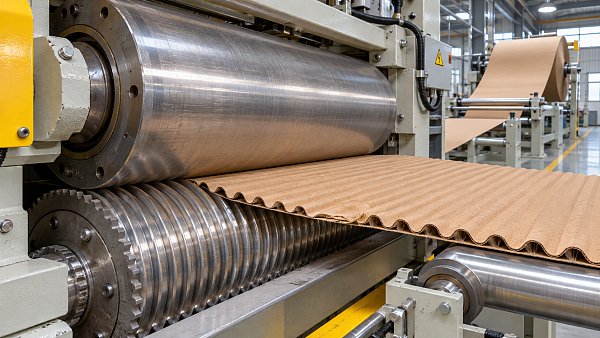
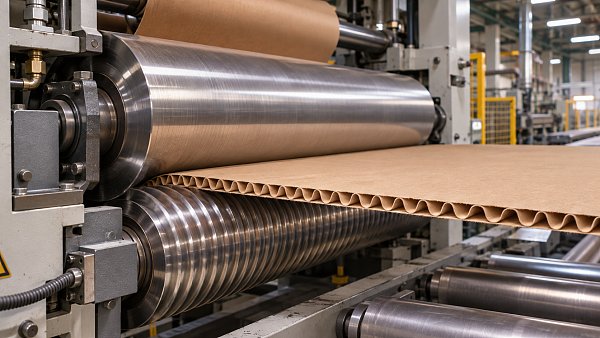
The corrugating rolls in the single facer form the medium into flutes under heat and pressure. The pressure roll supports the bonding step by bringing the liner into contact with the glued flute tips. Their condition affects more than the appearance of the flute. It influences heat transfer, flute geometry, adhesive contact, web tracking, and how reliably the machine can maintain speed.
When the corrugating roll profile is in good condition, the medium is shaped consistently and the flute tips present a predictable bonding surface. As the profile wears, flute peaks may become flattened, uneven, or less sharply defined. The machine may still produce acceptable board on forgiving paper combinations, but performance often deteriorates with lighter papers, recycled-content medium, moisture variation, high-speed orders, or demanding flute specifications.
This is why roll replacement should be considered an uptime and quality decision, not simply a spare-parts purchase. A roll set that appears usable during a basic visual check may still be creating hidden cost through lower run speed, higher glue use, more setup time, and unstable board quality.
Warning signs that point to roll wear
One symptom alone does not prove that replacement single facer rolls are needed. A useful decision comes from comparing multiple signals over time and checking whether they persist after normal process adjustments. The following signs deserve attention.
- Flutes are poorly formed or inconsistent across the web. Crushed, shallow, irregular, or uneven flutes can indicate worn corrugating profiles, although excessive pressure, incorrect heat conditions, or unsuitable paper moisture may produce similar defects.
- Bonding becomes difficult to stabilize. If operators repeatedly adjust glue settings, pressure, heat, or speed to achieve an acceptable bond, worn flute tips or reduced roll geometry may be reducing the consistency of the glue contact area.
- Board quality changes as speed increases. A line that performs reasonably at reduced speed but develops bonding or flute problems at normal production speed may be approaching a roll-condition limit. This should be assessed alongside steam performance and paper tension control.
- Paper breaks become more frequent near the single facer. Breaks have many causes, including poor splicing, paper defects, tension instability, and moisture imbalance. However, repeated breaks associated with difficult flute formation or abnormal roll contact should lead to a roll inspection.
- Operators rely on workarounds that were not previously necessary. More frequent cleaning, unusual pressure settings, slower acceleration, narrower operating windows, or repeated machine adjustments are operational clues. They are often noticed before laboratory or maintenance records show a clear trend.
- Wear is uneven across the roll face. Edge wear, localized damage, or uneven profile loss can create problems on specific board widths or paper combinations. This is especially relevant when the production mix repeatedly uses similar trim widths.
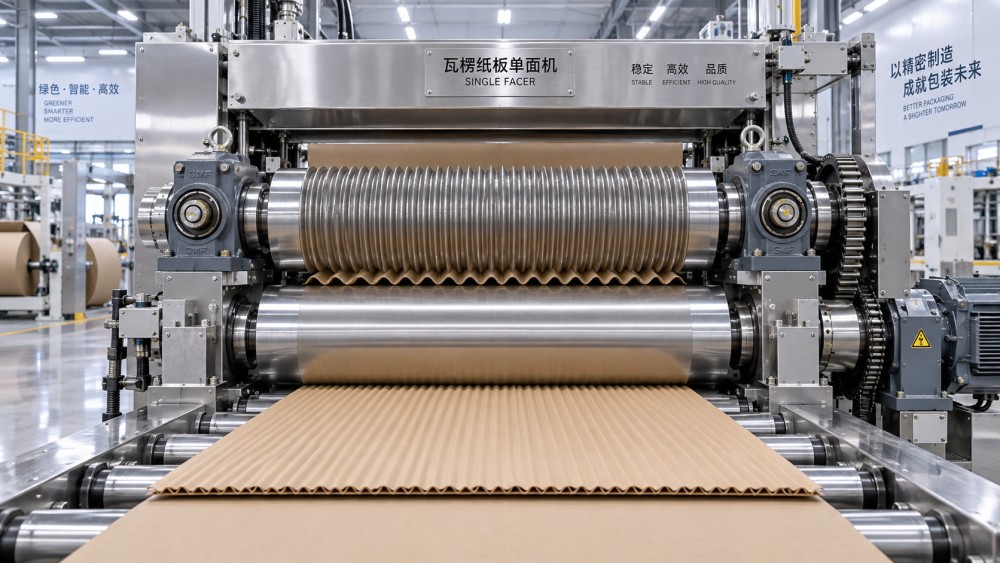
Visual observation remains useful, but it should not be the only basis for a replacement decision. Surface discoloration, adhesive residue, and ordinary operating marks do not automatically mean the rolls have reached the end of their useful life. Conversely, a roll can look acceptable while its profile geometry has changed enough to reduce forming and bonding stability.
Inspect the roll condition before assigning blame
A structured inspection prevents a common mistake: replacing rolls to solve a problem that actually originates in paper condition, steam balance, adhesive preparation, or machine alignment. The inspection should combine physical measurement with a review of operating behavior.
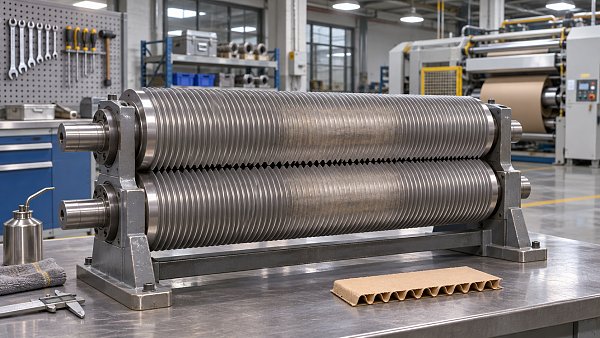
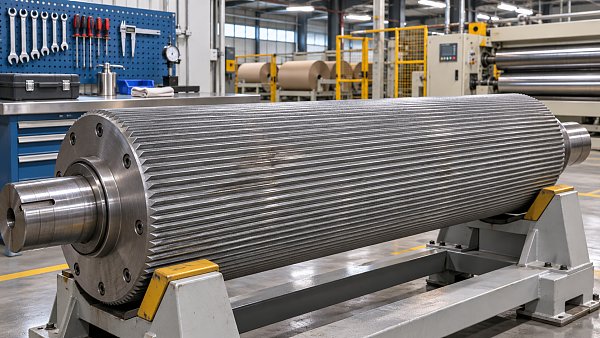
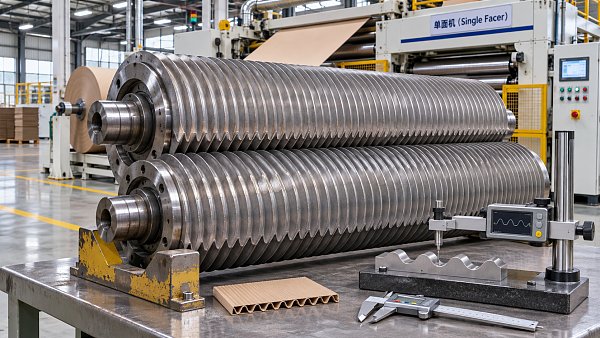
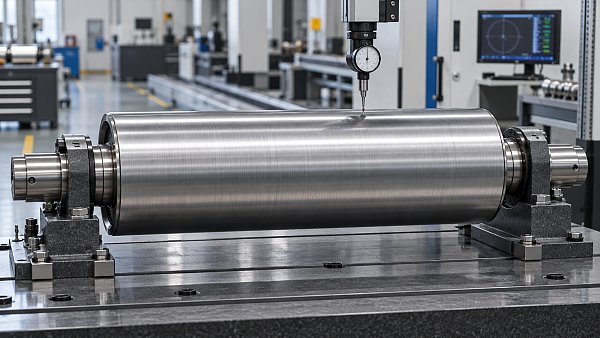
Start by checking the flute profile and roll surface across the full working width. Look for wear at the edges, dents, damaged flutes, buildup, corrosion, or areas that appear different from the center. The condition of the flute tips matters because they define the adhesive contact point. A profile that has lost its intended shape may create a bond that looks acceptable immediately after production but becomes less reliable during converting or downstream handling.
Next, review roll alignment and bearing condition. A new roll set will not solve problems caused by misalignment, vibration, incorrect pressure distribution, or worn supporting components. Uneven loading can also accelerate wear on replacement rolls, shortening the benefit of the investment. Maintenance planning should therefore treat the roll set, pressure system, bearings, lubrication, heating arrangement, and alignment checks as one operating system.
It is also important to distinguish ordinary contamination from permanent damage. Adhesive deposits, paper dust, or surface buildup can affect heat transfer and paper contact. Cleaning and approved maintenance procedures may restore performance when the underlying roll profile remains sound. Aggressive cleaning methods, however, can damage the roll surface or alter its coating. The correct response depends on the equipment supplier's maintenance guidance and the actual cause of the defect.
Do not use a fixed runtime interval as the only replacement rule
Maintenance schedules often need planned intervals, but a single runtime threshold is not a reliable universal rule for corrugating roll replacement. Roll life varies with flute type, paper grades, production speed, order mix, heat conditions, cleaning practices, roll material, coating condition, and the consistency of maintenance work.
A plant producing a stable range of medium weights under controlled conditions may see gradual and predictable wear. Another plant running frequent grade changes, lighter papers, recycled materials, short orders, or variable moisture conditions may expose roll limitations much earlier. The same nominal roll can perform very differently in these two environments.
For this reason, a better maintenance approach combines three references:
- the roll manufacturer's inspection and refurbishment criteria;
- measured condition data and maintenance records for the specific machine; and
- production evidence, including speed loss, board defects, waste, and recurring setup difficulty.
This approach avoids replacing serviceable rolls too early while reducing the risk of running them until a quality problem disrupts the production schedule. It also gives maintenance and operations teams a common basis for discussing the decision. Instead of debating whether rolls “still look fine,” they can review whether the rolls are still supporting the required production range.
When replacement is more sensible than reconditioning
Reconditioning can be a practical option when the roll body is suitable for restoration and the supplier can return the correct flute geometry, surface condition, and operating fit. It may be preferable when wear is gradual, the roll set has no serious damage, and the plant can plan enough downtime and logistics time for the work.
Replacement is usually the stronger option when the roll has substantial damage, repeated repair history, severe or uneven wear, or a condition that creates uncertainty around reliability. It may also be appropriate when a corrugator upgrade, new product mix, or change in target operating speed requires a roll configuration better matched to future production rather than past conditions.
The comparison should not focus only on the invoice cost of a new or reconditioned roll. Consider the effect on installation time, availability of a backup set, expected production stability, spare-parts planning, supplier lead time, and the cost of a delayed order. A lower-cost repair can lose its value quickly if it introduces another outage or leaves the machine unable to run important grades at the required speed.
Plan the replacement around production risk
The least disruptive time to change rolls is normally during a planned maintenance window, but that window must be long enough for more than physical removal and installation. A complete scope may include inspection of bearings and journals, alignment verification, pressure-setting checks, heating system checks, cleaning of adjacent components, trial production, and quality approval before normal output resumes.
Ordering the roll set is only one part of the project. Confirm the exact machine configuration, flute profile, face width, roll material or coating requirements, mounting interfaces, and compatibility with the existing single facer. Minor specification errors can turn a planned replacement into an extended shutdown.
Before the outage, define what successful commissioning looks like. The team should be prepared to assess flute shape, bond consistency, board caliper, paper tracking, temperature stability, adhesive application, and running behavior at normal production conditions. A short trial on only one paper combination is not enough if the corrugator regularly runs a wide range of medium and liner grades.
It is also useful to reserve capacity or adjust the production plan before the maintenance stop. High-priority orders, challenging paper grades, and tightly scheduled deliveries should not be the first jobs used to discover an installation or setup issue. A controlled restart sequence gives the plant time to stabilize the machine without creating avoidable commercial pressure.
Conditions that can imitate worn rolls
Replacing rolls without checking the surrounding process can be an expensive misdiagnosis. Several issues can create similar symptoms:
The point is not to delay a necessary decision. It is to avoid treating rolls as the default explanation whenever the single facer becomes difficult to run. A process review can reveal whether the rolls are the root cause, a contributing factor, or simply the component most exposed by another problem.
Build a condition history instead of relying on memory
For future replacement planning, record roll installation dates, inspections, repairs, recurring defects, production grades, major adjustments, downtime events, and actions taken. The records do not need to be complicated to be useful. What matters is that the plant can connect roll condition with actual production behavior.
Trend information becomes especially valuable when the production mix changes. A roll set that performed well for a conventional order profile may become less suitable after a plant moves toward lighter grades, faster changeovers, higher-speed production, or more demanding quality requirements. The replacement decision should reflect the production plan the corrugator must support next, not only the job mix it handled in the past.
Packaging equipment information platforms such as CPCS can help project teams place this decision within the broader corrugator system. Single facer reliability is connected to paper preparation, steam and heat control, adhesive application, tension management, double facer performance, and downstream converting requirements. Looking at the roll in isolation can miss the operating conditions that determine whether a replacement delivers the expected improvement.
A practical decision sequence
When single facer performance begins to decline, the most useful sequence is straightforward:
- Document the defect pattern, affected grades, operating speed, and frequency of adjustments.
- Check paper, adhesive, heat, tension, alignment, and pressure conditions that can create similar symptoms.
- Inspect the corrugating rolls and related mechanical components across the full working width.
- Compare the findings with the roll supplier's acceptable wear and refurbishment criteria.
- Choose reconditioning or replacement based on condition, production risk, lead time, and the intended future operating range.
- Schedule installation with commissioning checks, contingency capacity, and a planned restart process.
The decision becomes clearer when it is tied to the corrugator's required output. If roll condition is forcing lower speed, narrower grade capability, repeated adjustments, or unreliable bonding, delaying action may cost more than the planned intervention. If the problem disappears after correcting heat, tension, glue, or alignment, replacement can be deferred while condition monitoring continues.
Replacement single facer rolls are most effective when treated as part of a controlled maintenance decision rather than an emergency response. The goal is not merely to install new hardware. It is to restore a stable operating window in which the corrugator can form flutes, bond paper, and maintain planned output without relying on constant operator intervention.
Facing technical bottlenecks in manufacturing or looking for more efficient industrial solutions? Leave your details below and let the engineering experts at CPCS solve them for you.
We respect your privacy. Your information is strictly confidential.
Related News
 How Worn Pressure Rolls Affect Corrugated Board QualityWorn Pressure Rolls can weaken bonds and crush flutes. Learn how to spot wear, diagnose board defects, and protect corrugated board quality.Corrugated Thermodynamics Architect
 What to Ask a Single Facer Rolls Supplier About Roll WearAsk your single facer rolls supplier the right questions about wear, inspection, refurbishment, and replacement to protect board quality and plan downtime.Corrugated Thermodynamics Architect
 When Should You Replace Tungsten Carbide Single Facer Rolls?When should you replace tungsten carbide single facer rolls? Discover the warning signs, inspection tips, and ways to reduce waste and downtime.Corrugated Thermodynamics Architect
 When Should Corrugating Rolls Be Replaced?When should corrugating rolls be replaced? Learn the warning signs, inspection steps, and replacement criteria to reduce waste and avoid costly downtime.Corrugated Thermodynamics Architect
 How Do Steel Pressure Rolls Affect Corrugated Board Quality?Discover how steel pressure rolls affect corrugated board bonding, flute strength and caliper, and learn how to identify defects and improve quality.Corrugated Thermodynamics Architect
 How to Choose a Pressure Roll Supplier for Consistent Board QualityChoose a pressure rolls supplier with confidence. Learn how to assess roll geometry, inspection records, and lifecycle costs to support consistent board quality and reduce downtime.Corrugated Thermodynamics Architect