How to Choose a Pressure Roll Supplier for Consistent Board Quality
A pressure roll can meet the installation dimensions and still produce uneven bonding, recurring vibration, or premature surface wear. Choosing a pressure rolls supplier therefore starts with a practical question: can the supplier explain how its roll will maintain suitable contact across your machine’s working width under actual operating conditions?
The strongest proposal connects roll geometry, materials, surface condition, and inspection results to your corrugator’s loading system, temperature, speed, and paper range. Price matters, but a technically incomplete quotation leaves the plant carrying the risk of poor fit, unstable production, and difficult troubleshooting.
Define which pressure roll you are buying
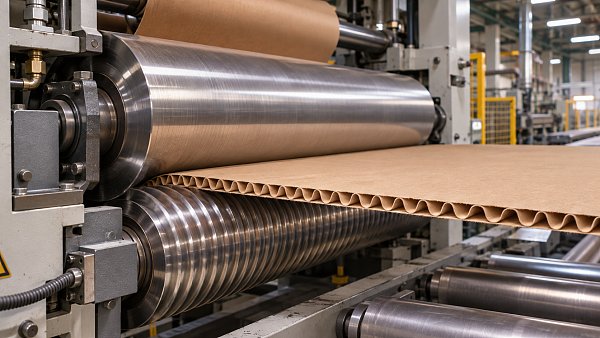
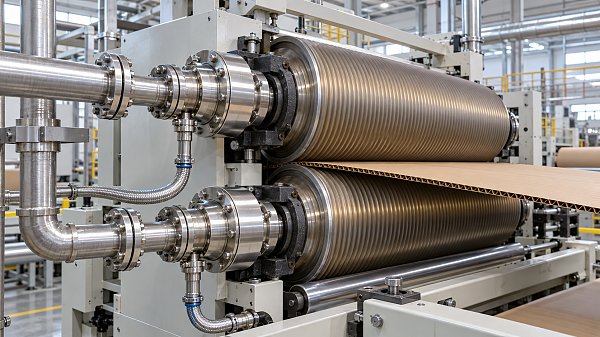
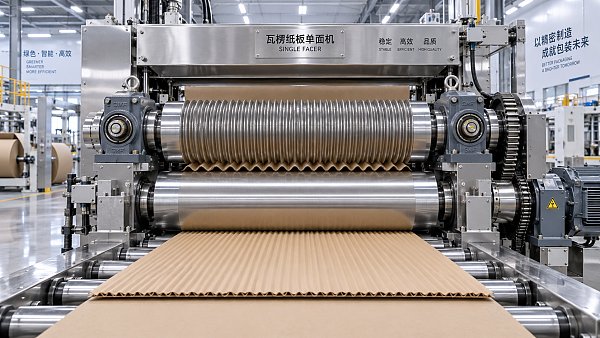
Begin with the machine section and the roll’s function. On a single facer that uses a pressure roll, the roll helps press the liner against the adhesive-coated flute tips while supporting heat transfer and bonding. Its performance depends on its relationship with the corrugating roll, the paper, and the pressure application system.
Rollers in double facer pressure arrangements have different duties and contact conditions. A supplier’s experience with one position does not automatically establish suitability for another. Some single facer designs use a pressure belt instead of a conventional pressure roll, making the machine configuration essential to the discussion.
Identify the equipment manufacturer, model, roll position, and current assembly before requesting proposals. Include the drawing revision and any modifications made since installation. A replacement selected from an old drawing can reproduce dimensions that no longer match the machine.
Also describe why the replacement is needed. Scheduled renewal, uneven wear, bearing damage, and an attempt to improve bonding are different projects. If the existing roll failed, retain photographs, maintenance records, and the removed component where practical. The supplier should assess the failure mechanism before recommending the same construction again.
Give suppliers an operating specification they can evaluate
A drawing establishes fit; an operating specification establishes suitability. Without both, competing quotations may describe products designed around different assumptions.
Provide the normal production range, including working width, frequently used narrower widths, operating speed, paper grades, and typical loading settings. Describe relevant temperature conditions and, where applicable, the roll’s heating arrangement. Include the bearing arrangement, drive connection, lubrication method, and available installation space.
Record recurring defects alongside these conditions. Weak bonding concentrated on one side suggests a different investigation from bonding that deteriorates across the full width as speed rises. Narrow-width production can create wear patterns that become apparent when the plant returns to wider board.
Use these observations to define the problem without declaring the roll responsible in advance. Adhesive condition, paper moisture, preheating, alignment, and loading-system faults can produce symptoms that resemble roll defects. A capable supplier should discuss these interactions before promising that a replacement will solve the quality issue.
Evaluate the engineering behind uniform contact
Geometry must be defined by a measurement method
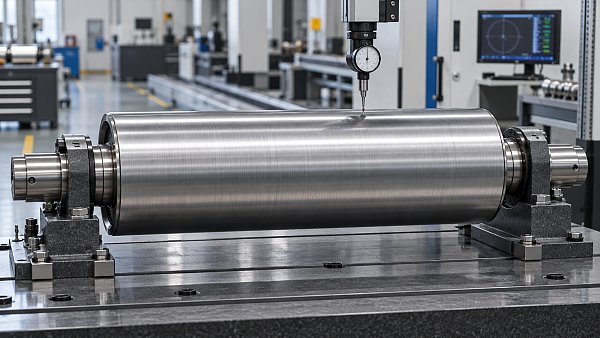
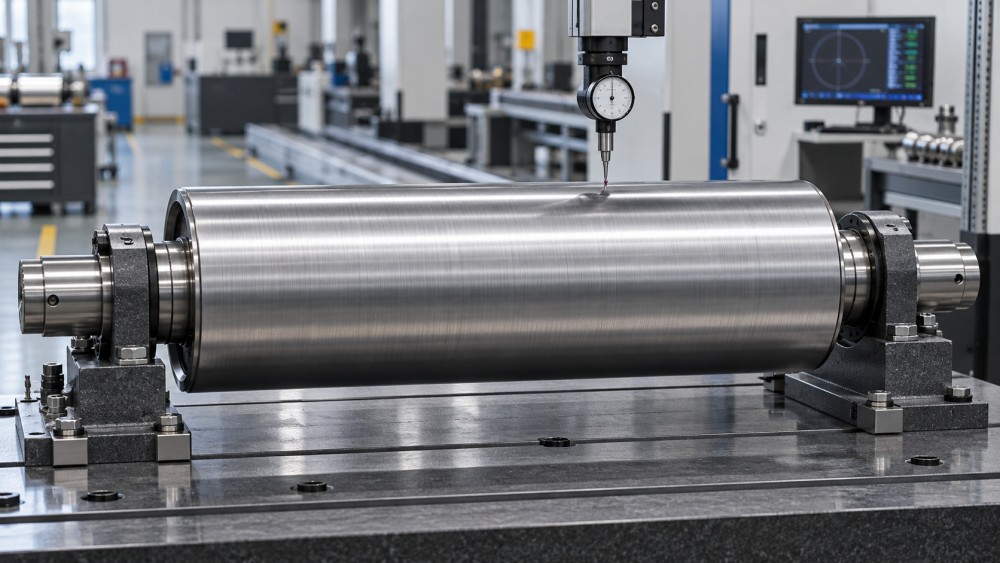
Outside diameter and face length are only the starting point. The review should cover journal geometry, bearing fits, concentricity, radial runout, and the specified profile across the roll face. These features influence how the installed assembly rotates and distributes load.
Ask where and how each characteristic is measured. A runout value has limited meaning without the reference datum, support arrangement, and measurement positions. Likewise, a profile report should distinguish the intended shape from manufacturing variation.
Crown deserves particular attention. A crowned profile can compensate for deflection in a suitable design, but its effectiveness depends on roll construction, working width, loading, and temperature. Copying the profile from a worn roll or adding crown as a general improvement can create uneven contact. Any change should have an engineering basis compatible with the machine manufacturer’s requirements.
Surface finish and hardness must suit the duty
A supplier should state the surface material, treatment or coating where applicable, hardness specification, and surface finish. These properties work together. Hardness alone does not establish resistance to cracking, coating failure, or damage from abnormal contact.
A harder surface may improve wear resistance in an appropriate application, but it does not correct poor alignment or unsuitable loading. Similarly, the smoothest available finish is not automatically the right specification. Surface texture should suit the roll’s contact function and paper-handling conditions.
For a coated roll, examine substrate preparation, coating adhesion, finishing, and repair options. For a heat-treated roll, ask how the treatment is controlled and how final properties are checked. A material description such as “premium alloy steel” provides little purchasing protection unless the quotation defines what will be supplied.
Review behavior at operating temperature and speed
Cold inspection is necessary, but the roll operates under heat and load. Temperature differences and mechanical deflection can change its working geometry. Ask the supplier how the proposed construction accommodates these conditions, especially when the replacement changes the original material, shell design, or surface system.
Where the roll is internally heated, review the heating passages, connections, seals, and applicable integrity checks. Condensate removal also matters where steam heating is used. These features should be assessed against the actual machine design rather than assumed to be common to every pressure roll.
Balance requirements should reflect rotational speed and the assembly being supplied. The supplier should explain the balancing method and correction approach. Balancing cannot compensate for excessive runout, damaged bearings, or an inaccurate mounting interface.
Ask a pressure rolls supplier for evidence tied to the delivered roll
A general quality certificate can support confidence in a supplier’s management processes. It does not demonstrate that a particular roll meets your drawing. Request inspection records traceable to the individual component through its identification number.
The purchase specification should identify the records required before shipment. This makes documentation part of acceptance rather than a discussion that begins after the roll arrives.
Set acceptance limits around the machine design and service duty. Generic promises of “high precision” are difficult to enforce. If a supplier proposes different tolerances, request the engineering reason and its implications for fit, operation, and maintenance.
Also establish who controls critical manufacturing stages. Subcontracted heat treatment, coating, grinding, or inspection can be acceptable when responsibilities and records are clear. The concern is whether the supplier can control the process and resolve a nonconformity.
Check operating references for comparable conditions
A long customer list is less useful than evidence from a comparable installation. Relevant references share the features that affect roll behavior: machine arrangement, working width, loading method, speed range, paper mix, and thermal conditions.
Ask what the supplied roll was expected to improve and how its performance was assessed. “Running successfully” might mean that the part fitted and remained in service. It does not necessarily establish consistent bonding across widths or acceptable wear over time.
Service-life claims need similar care. Operating hours, production mix, cleaning practices, and abnormal incidents all affect wear. A supplier should explain the conditions behind a claim and distinguish routine wear from damage caused by machine faults or foreign material.
References are particularly valuable when considering a material or coating change. Request evidence relevant to the proposed construction, together with its refurbishment limits and maintenance requirements.
Agree on installation and production acceptance before ordering
Separate component acceptance from production acceptance. Component acceptance establishes that the roll matches the approved specification. Production acceptance evaluates its behavior after installation in a machine whose condition and settings have been recorded.
This distinction helps avoid disputes. Poor bonding may result from the roll, but it can also arise from adhesive application, heat management, bearing condition, or loading imbalance. A useful trial controls these variables sufficiently to make the observations meaningful.
Agree on a practical commissioning plan:
- Inspect the bearings, mountings, alignment, and loading mechanism before installation.
- Record initial settings and assess operation as temperature and speed increase.
- Check representative production conditions, including relevant paper grades and working widths.
- Evaluate bonding, visible flute deformation, vibration, and temperature behavior using agreed plant methods.
- Document defects and the conditions under which they occur.
Use suitable bond-integrity checks alongside visual inspection. Board that looks acceptable immediately after production may still have weak adhesion. When comparing trial results, account for paper changes and conditioning so that unrelated variation is not attributed to the roll.
The commercial agreement should define who supports commissioning, who investigates a failed acceptance test, and what remedies apply to a confirmed component defect. Warranty coverage should address the supplied construction, including coating integrity where relevant, with clear treatment of wear and operating damage.
Compare lifecycle cost and the next maintenance decision
Compare quotations only after their technical scope is aligned. One offer may include bearings, inspection records, protective transport packaging, and installation support; another may cover only the roll body. These are different purchases even when the headline dimensions match.
Evaluate purchase cost together with installation work, planned downtime, spare-part availability, inspection needs, and refurbishment options. Ask how much regrinding or repair the design permits and what dimensional changes mean for continued compatibility. A repairable roll has value only if the repaired component can still meet its operating requirements.
For a production-critical position, assess replacement lead time and whether holding a spare is justified by the plant’s downtime exposure. A lower-priced roll with limited recovery support may carry a higher operating cost.
Before issuing the order, assemble a short approval package containing the agreed drawing, operating envelope, inspection requirements, commissioning criteria, and service responsibilities. Choose the supplier whose proposal makes these commitments clear and supports them with relevant evidence. That gives the plant a defined basis for accepting the roll—and a useful starting point if board quality later drifts.
Related News
 When Should Corrugating Rolls Be Replaced?When should corrugating rolls be replaced? Learn the warning signs, inspection steps, and replacement criteria to reduce waste and avoid costly downtime.Corrugated Thermodynamics Architect
 How Do Steel Pressure Rolls Affect Corrugated Board Quality?Discover how steel pressure rolls affect corrugated board bonding, flute strength and caliper, and learn how to identify defects and improve quality.Corrugated Thermodynamics Architect
 How to Choose a Pressure Roll Supplier for Consistent Board QualityChoose a pressure rolls supplier with confidence. Learn how to assess roll geometry, inspection records, and lifecycle costs to support consistent board quality and reduce downtime.Corrugated Thermodynamics Architect
 How to Choose a Single Facer Rolls Supplier for Consistent QualityChoose a single facer rolls supplier with confidence. Learn how to verify compatibility, inspection records, and trial performance to secure consistent quality and reduce costly downtime.Corrugated Thermodynamics Architect
 How Steam Joints for Corrugator Rolls Prevent Heat LossSteam joints for corrugator rolls prevent heat loss, stabilize roll temperatures, improve condensate drainage, and support consistent board quality. Learn key maintenance practices.Corrugated Thermodynamics Architect
 When to Replace Single Facer Rolls to Prevent Corrugator DowntimeReplacement single facer rolls: learn the warning signs, inspection steps, and planning strategies that prevent corrugator downtime and protect board quality.Corrugated Thermodynamics Architect