How Do Tungsten Carbide Single Facer Rolls Improve Corrugator Life?
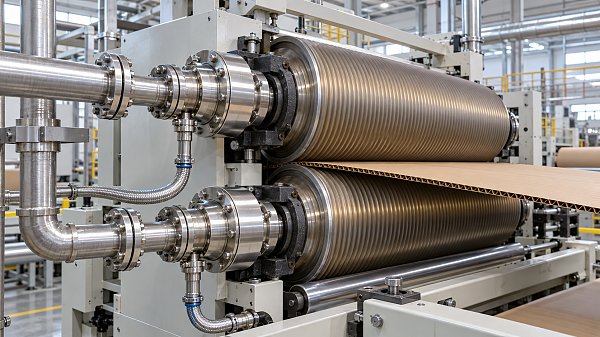
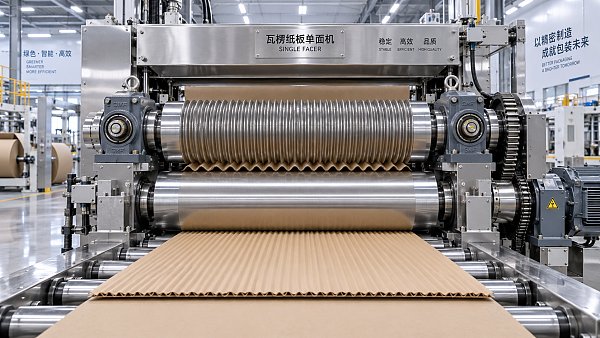
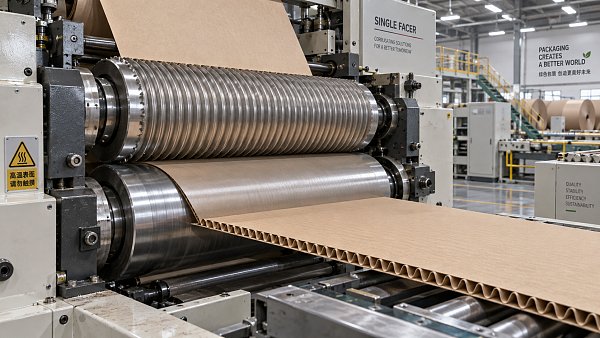
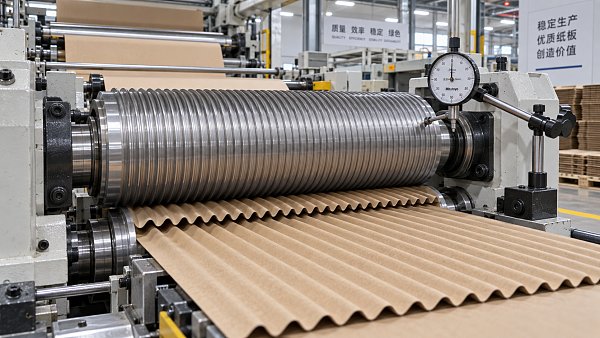
A single facer gains service life when its corrugating rolls retain the geometry that creates the flute. Once flute tips round off, valleys lose definition, or the contact pattern becomes uneven across the width, the machine can still run, but it no longer forms paper under the same controlled conditions. The result may appear first as unstable flute height, variable adhesive pickup, greater sensitivity to paper moisture, or unexplained web breaks. Tungsten carbide single facer rolls address this wear mechanism by providing a much harder working surface than conventional hardened roll surfaces, allowing the flute profile to remain functional for a longer portion of the roll's operating life.
The benefit is not simply a longer interval before replacement. Stable roll geometry supports the entire single facer process: medium formation, liner contact, starch transfer, heat exchange, and web release. When those interactions remain predictable, less corrective adjustment is needed elsewhere on the corrugator.
Wear at the flute tip changes more than the flute shape
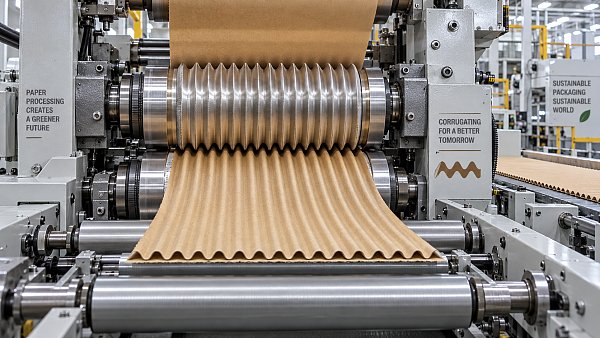
Corrugating rolls operate under repeated high-temperature, high-pressure contact while paper fibers, fillers, coating residues, and contaminants pass through the nip. The medium is bent sharply into the flute profile, then brought into contact with the liner under heat and pressure. Abrasion is concentrated at the flute tips and along the areas where paper contact is most frequent. Over time, a worn profile changes the mechanical conditions of formation.
A rounded flute tip has less defined contact with the liner and may alter how the starch film transfers at the glue roll and bonds at the pressure roll. A shallow valley can reduce flute definition, while uneven wear across the machine width produces board with different characteristics at the drive side, center, and tending side. These effects often emerge gradually. Production personnel may compensate by changing steam, pressure, adhesive settings, or web tension, yet those changes cannot restore the original roll profile.
Carbide surfacing resists abrasive loss at the areas that govern flute definition. Its practical value lies in slowing profile degradation, not in making process control unnecessary. Steam balance, paper conditioning, adhesive solids, pressure roll loading, and machine alignment still determine whether the potential durability of the roll surface becomes useful corrugator life.
How a stable roll surface protects uptime
Roll wear usually creates a maintenance problem before it creates a complete production stoppage. As the surface loses its intended form, quality complaints and process interventions tend to rise. The line may require more frequent cleaning, closer monitoring of bond quality, or reduced speed on difficult paper combinations. Eventually, the rolls must be removed, reground, recoated, or replaced. Each intervention involves cooling, lockout, dismantling, roll handling, installation, heating, alignment, and a period of process stabilization.
A wear-resistant carbide surface extends the period during which the roll can maintain acceptable flute-forming behavior. That reduces exposure to roll-change downtime and avoids premature intervention driven by quality instability. The effect is especially relevant where abrasive recycled-content media, heavily filled papers, or frequent grade changes accelerate surface wear. Those conditions do not automatically justify every carbide specification, but they make surface durability a more important part of the lifecycle calculation.
Longer service life also preserves the relationship between mating rolls. A single facer is a system of precise interfaces, not an isolated corrugating roll. When one roll profile deteriorates unevenly, the contact pattern, heat transfer, and pressure distribution can shift. Maintaining the surface condition helps retain the designed interaction among upper and lower corrugating rolls, the pressure roll, and the glue application system.
Flute accuracy and board quality are linked through contact conditions
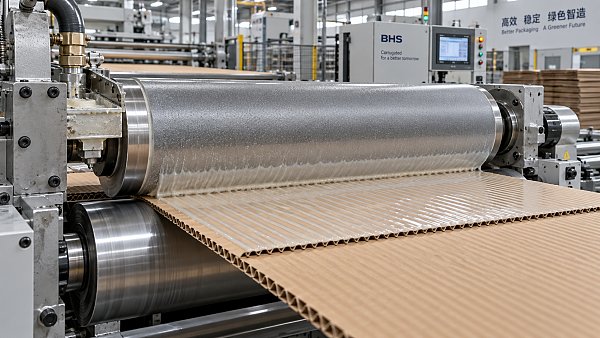
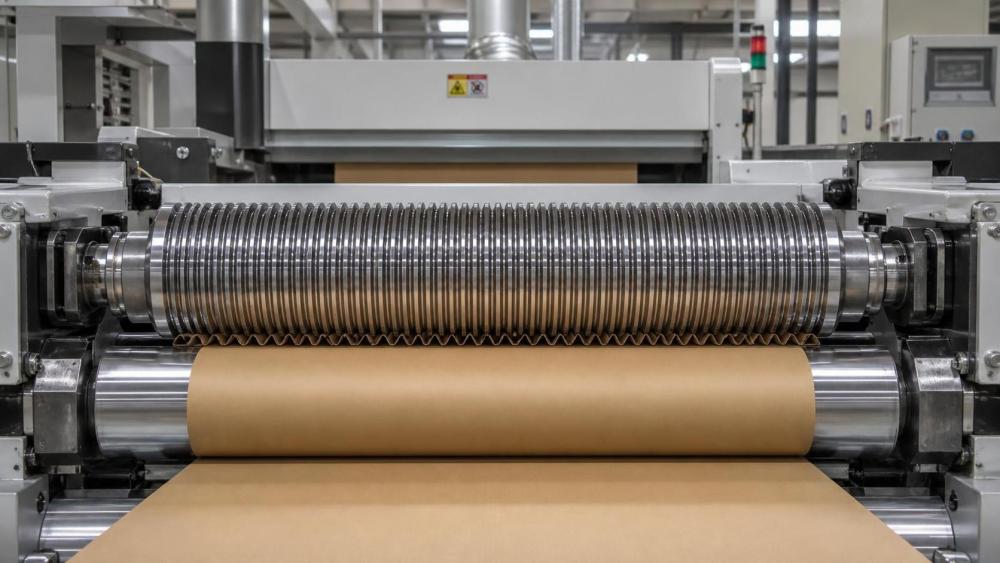
Board quality is sometimes assessed only at the finished sheet, but the causes of weak or irregular board often begin in the single facer. A stable flute profile supports repeatable flute height and consistent contact between the medium and liner. That contact affects bond formation because the starch adhesive must reach the intended flute tips in a controlled amount before heat and pressure set the bond.
If the roll surface is worn, apparent glue problems can be misleading. Excessive adhesive application may temporarily mask intermittent bonding, but it can introduce other issues: slow drying, wet board, washboarding, buildup on rolls, or higher sensitivity in the double facer. Reducing glue to correct buildup may then expose weak bond points. Before treating such symptoms as an adhesive formulation issue, the flute profile, roll cleanliness, nip condition, and cross-machine consistency should be examined.
Surface durability is also relevant to flute crush resistance. A well-maintained corrugating profile forms the medium without unnecessary damage to the paper structure. Wear does not always cause obvious crushing at the single facer, yet gradual distortion can reduce the uniformity of formed flutes and leave the board less consistent under downstream pressure. This may become visible during converting, where scoring, printing pressure, die-cutting, or stacking reveals variability that was not apparent at the wet end.
Hardness alone is an incomplete specification
It is easy to treat tungsten carbide as a single material choice, but roll performance depends on the complete engineered surface. Carbide grade, binder content, coating or cladding method, layer thickness, bond integrity, finish, flute machining accuracy, and substrate condition all influence service behavior. A hard surface with poor adhesion to the base roll, unsuitable finishing, or incorrect flute geometry does not provide the expected benefit.
The procurement description should therefore distinguish between a material claim and a finished functional surface. A meaningful technical review examines the roll drawing, flute profile requirements, dimensional tolerances, surface treatment method, and acceptance criteria for runout and balance. The profile must suit the board grades and flute types being produced. A surface that is exceptionally durable but has inaccurate pitch, tip radius, or engagement geometry can create persistent formation and bonding problems from the first production run.
Thermal stability matters as much as abrasion resistance
The corrugating roll is heated internally, so its working surface experiences repeated thermal expansion and contraction. A durable coating must tolerate that cycling while remaining attached to the roll body and preserving the flute geometry. Localized overheating, unstable condensate removal, or uneven steam distribution can produce temperature differences across the face width. Those differences affect paper conditioning and can also increase stress on the surface system.
Carbide does not correct poor steam practice. When condensate is not removed efficiently, the roll may develop cold zones, and the medium can resist forming or bond unevenly even when the surface is unworn. Similarly, excessively aggressive cleaning tools can damage the working surface or alter the flute tips. The maintenance value of a carbide roll is protected by treating steam, condensate, cleaning, and roll inspection as connected controls.
Thermal conditions should be reviewed when a roll appears to wear faster on one side or when board behavior changes across the width. Abrasion may be the cause, but nonuniform heat, misalignment, a loading issue, or contamination can create similar symptoms. Replacing the roll without identifying the underlying condition risks repeating the same service-life problem.
Installation errors can consume the durability margin
A high-value roll surface can be damaged during transport and fitting before production begins. Flute surfaces should be protected from impact, concentrated point loading, moisture exposure, and contact with unsuitable lifting devices. Support locations and handling methods should follow the roll supplier's requirements because a heavy roll can be deflected or marked if lifted incorrectly.
During installation, bearing condition, journal fit, drive engagement, parallelism, and roll timing require attention. Misalignment causes uneven loading and promotes localized wear. Incorrect engagement between corrugating rolls can alter flute formation and place abnormal stress on the surface. Runout should be checked after installation rather than assumed from the supplied inspection record, because handling and assembly conditions can affect the installed result.
After startup, process settings should not be pushed immediately to compensate for a new roll's unfamiliar behavior. Establishing a stable baseline with the intended paper grades makes later changes easier to interpret. Records of paper grade, speed, steam condition, adhesive settings, bond observations, and board profile provide useful context when evaluating whether the roll is performing as expected.
Inspection should focus on patterns, not only visible damage
Routine observation can detect surface degradation before it becomes a major production event. A visual inspection may reveal scoring, buildup, chipped areas, discoloration, or localized damage, but profile loss is often too gradual to judge reliably by sight. Comparing representative flute dimensions at defined locations across the face width is more informative than inspecting only the area that looks worn.
Wear patterns provide diagnostic clues. Greater loss near one edge may indicate web tracking, alignment, or localized loading rather than a general material limitation. Repeating deposits at the same positions can point to adhesive contamination, steam-related carryover, or cleaning deficiencies. Random marks may be handling damage. A broad, uniform reduction in flute definition is more consistent with normal abrasive service wear.
- Inspect flute tips and valleys at the drive side, center, and tending side so cross-machine variation is not missed.
- Separate buildup from base-surface loss before judging roll condition; dried adhesive or paper deposits can imitate profile damage.
- Review bond failures alongside medium formation. A weak bond with sharply formed flutes suggests a different investigation from a weak bond accompanied by flattened or irregular flute shape.
- Keep records from roll removal and reinstallation. The history of prior grinding, repair, and operating conditions affects whether another restoration cycle is technically sensible.
When carbide is not the primary answer
Carbide surfacing is most persuasive where abrasive wear limits roll life or where profile stability is central to high-speed production. It is less likely to resolve problems caused mainly by poor web guidance, damaged pressure rolls, unstable paper moisture, incorrect starch preparation, inadequate heat transfer, or bearing deterioration. A plant that replaces worn rolls but leaves these causes unchanged may see only a partial improvement.
There is also a repairability question. A roll should be assessed for substrate integrity, journal condition, thermal history, and the remaining geometry before recoating or remachining. Repeated restoration changes the available material and may affect the ability to return the flute profile to specification. The correct decision is based on the whole roll assembly, not solely on whether the carbide layer shows wear.
Corrugator life improves when the single facer maintains its intended forming conditions for longer and requires fewer disruptive interventions. A well-specified carbide surface contributes directly to that outcome, provided its profile, thermal behavior, installation quality, and maintenance practices are matched to the actual production environment.
Related News
 How Steam Joints for Corrugator Rolls Prevent Heat LossSteam joints for corrugator rolls prevent heat loss, stabilize roll temperatures, improve condensate drainage, and support consistent board quality. Learn key maintenance practices.Corrugated Thermodynamics Architect
 When to Replace Single Facer Rolls to Prevent Corrugator DowntimeReplacement single facer rolls: learn the warning signs, inspection steps, and planning strategies that prevent corrugator downtime and protect board quality.Corrugated Thermodynamics Architect
 When Replacement Single Facer Rolls Can Restore Board QualityReplacement single facer rolls can restore flute definition, bonding consistency, and board quality. Learn when replacement helps reduce waste, stabilize production, and protect uptime.Corrugated Thermodynamics Architect
 When Wear Resistant Glue Rollers Deliver a Lower Total CostWear resistant glue rollers can reduce total cost by improving adhesive film stability, minimizing downtime, waste, and bond-quality risks.Corrugated Thermodynamics Architect
 When Should You Replace Industrial Single Facer Rolls?Industrial single facer rolls: discover the warning signs that demand replacement, from profile wear and runout to heat loss, quality defects, waste, and costly downtime.Corrugated Thermodynamics Architect
 When Should Corrugating Rolls Be Replaced?When should corrugating rolls be replaced? Discover key wear signs, inspection methods, and cost-saving steps to protect board quality, bonding, and uptime.Corrugated Thermodynamics Architect