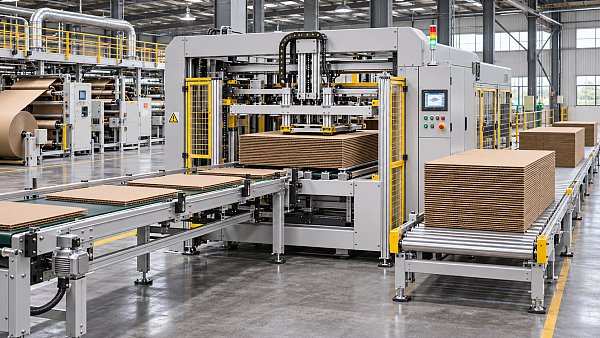
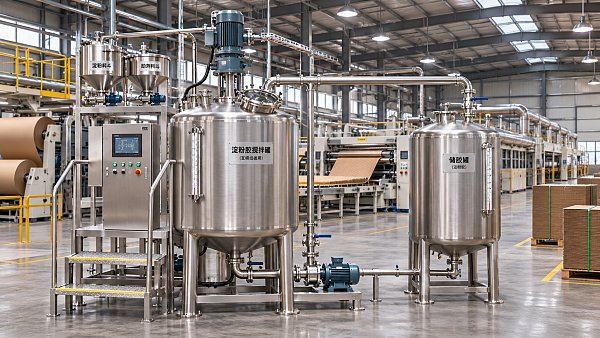
Two systems may move the same paper roll yet carry very different price tags. The difference usually reflects the handling task each design must perform.
The roll handling equipment price depends on more than lifting capacity: roll dimensions, gripping method, travel distance, automation, safety provisions, and production integration all influence cost.
For corrugated plants and commercial printers, understanding these differences helps distinguish essential capabilities from unnecessary complexity when comparing equipment proposals and planning future production capacity.
This article explains how manual, powered, and automated designs affect purchase price and operating costs, helping you assess quotations against workflow, throughput, and material protection requirements.
What Are You Actually Paying For in Different Roll Handling Designs?
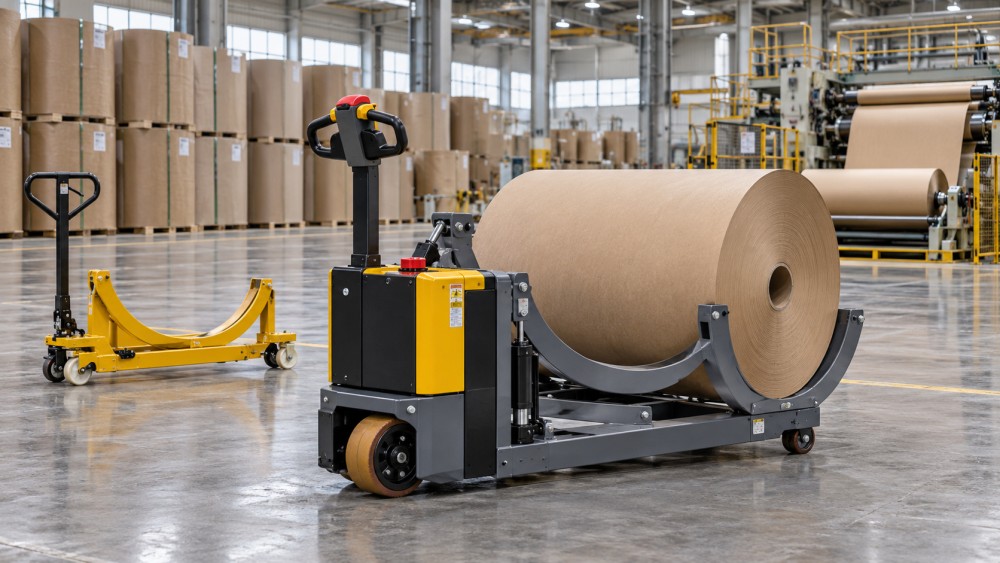
You are buying a combination of load support, controlled movement, roll protection, and workflow compatibility. Similar capacity ratings can therefore conceal substantially different engineering requirements.
A trolley moving rolls between nearby stations performs a narrower task than equipment that lifts, rotates, transports, and positions rolls beside a production machine automatically.
There is no reliable universal price range without defining equipment scope. A basic trolley and an integrated transport system belong to very different purchasing categories.
These categories can overlap. A powered unit may include lifting or turning, while an automated installation may combine transport vehicles, conveyors, and fixed transfer stations.
Compare proposals only after identifying the complete movement sequence. Otherwise, an apparently expensive quotation may include operations or installation work excluded from a cheaper alternative.
Why Does the Same Load Capacity Produce Different Prices?
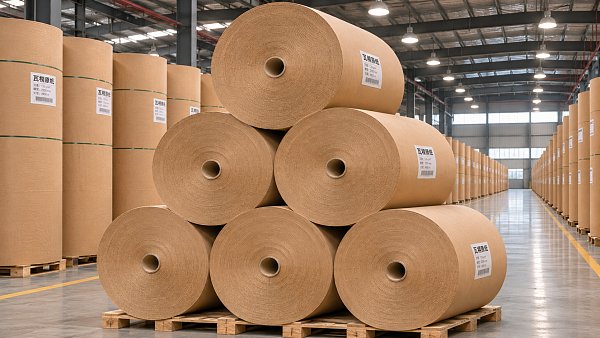
Maximum roll weight is only the starting point. Diameter, width, core dimensions, orientation, and center of gravity determine how the equipment must support and control material.
A wide roll may require a larger support structure and more clearance. A narrow, tall roll may create stability challenges during turning or elevated handling.
Ask suppliers to confirm capacity across your full operating envelope. A headline rating may apply only at a specified load center, lift height, or configuration.
For clamp attachments, verify the combined truck and attachment capacity where applicable. Attachment weight and load position can reduce the usable capacity of the truck.
Corrugated plants should provide their actual liner and fluting roll specifications. Commercial printers should also identify sensitive coated stocks, smaller cores, and changes in roll orientation.
Designing around an occasional oversized roll can increase equipment size and cost. Consider whether a separate handling method would serve rare loads more economically.
How Does the Gripping Method Affect Price and Paper Damage?
The gripping or support method affects mechanical complexity and potential paper damage. It should match roll construction, paper sensitivity, and the required handling orientation throughout transfer.
Cradles support rolls from below and can suit horizontal transport. Their shape, contact surfaces, and restraint arrangements must prevent unintended movement during travel and transfer.
Core gripping systems hold a roll through its center. Their suitability depends on core dimensions, core strength, engagement depth, and the load conditions during handling.
Outer diameter clamps require controlled contact pressure and suitable pads. Excessive force can deform material, while insufficient force can allow slipping during lifting or rotation.
Pressure regulation, sensors, interchangeable tooling, and protective contact materials can increase purchase price. Their value depends on whether they prevent damage in your actual stock mix.
Ask for a demonstration using representative rolls, including vulnerable grades. Inspect edges, outer wraps, and cores after handling, rather than accepting an unloaded movement demonstration.
Calculate damage cost using discarded paper, rewrapping, production disruption, and rejected output. Small recurring losses can outweigh the saving from a less suitable gripping design.
When Are Powered Movement and Automation Worth the Premium?
Powered movement becomes more attractive as roll weight, travel distance, movement frequency, or maneuvering difficulty increases. Assess these conditions together when selecting a drive system.
A manual device may suit occasional transfers on a suitable level floor. Frequent pushing, tight turns, or gradients can change both productivity and ergonomic requirements.
Powered designs add motors, controls, batteries or other power arrangements, and maintenance needs. Compare usable operating time, charging requirements, and service access alongside travel speed.
Automation adds further costs because equipment must recognize destinations, coordinate transfers, and respond safely to people, obstacles, unavailable stations, or changes in production priorities reliably.
Guided vehicles, autonomous mobile robots, and fixed conveyor systems have different infrastructure requirements. None should be assumed to provide the lowest installed cost in every layout.
Stable routes and predictable transfer points can simplify automation. Mixed pedestrian traffic, inconsistent roll presentation, and frequent layout changes can increase engineering and commissioning effort.
Evaluate completed deliveries during peak demand, including pickup, waiting, transfer, and return travel. Maximum vehicle speed alone does not establish whether production will receive rolls promptly.
Labor savings require careful interpretation. Moving fewer rolls manually does not automatically eliminate a shift position, especially when operators also perform essential loading or inspection tasks.
Which Site and Integration Requirements Increase the Installed Cost?
The equipment quotation may exclude work needed to make the system operational. Floor repairs, electrical supply, charging areas, guarding, and transfer modifications can materially change expenditure.
Floor condition affects wheel selection, traction, positioning, and load stability. Check joints, slopes, thresholds, surface damage, and floor loading along the proposed route before purchase.
A unit that fits within an aisle may still lack turning clearance with its largest roll. Include doorways, intersections, staging areas, and maintenance access in layout reviews.
At the destination, confirm transfer height, roll orientation, positioning tolerance, and responsibility for loading. These details matter when supplying corrugator roll stands, reel stands, or unwinders.
Software connections can add engineering work when transport tasks depend on production schedules or inventory records. Specify required data exchanges and how failed communications are handled.
Safety provisions also depend on the application and applicable local requirements. Emergency stops, interlocks, braking, detection systems, and access controls should follow the assessed hazards.
Ask suppliers to identify included safeguards and required site measures. A lower quotation may transfer essential installation responsibilities to the buyer without making them obvious.
How Should You Compare Total Cost and Payback?
Compare total ownership cost over the same period and workload. Include acquisition, installation, energy, maintenance, consumables, training, and the operational consequences of failures or delays.
Use measured handling activity wherever possible: rolls per shift, average journey time, waiting time, damage frequency, and labor involvement provide a practical basis for evaluation.
Record typical and peak conditions separately. A system that meets average demand can still leave a corrugator or printing press waiting during concentrated production periods.
The following example illustrates a calculation method, not a market quotation. Replace every assumption with supplier figures and observations from your own plant before deciding.
The calculation divides additional investment by net annual benefit. It excludes financing, taxes, discounting, and residual value, so it provides an initial screening measure only.
Treat released operator time as a financial saving only when it reduces expenditure or supports measurable additional output. Otherwise, report it as available working capacity.
Likewise, value reduced downtime according to recoverable production and demand. Avoid counting the same recovered minutes twice through both labor savings and increased production output.
What Should Every Supplier Quote Include?
A useful quotation connects price to defined performance and responsibilities. Give each supplier the same operating information so differences reflect design choices rather than missing assumptions.
- Minimum and maximum roll weight, diameter, width, core dimensions, orientation, and any sensitive paper grades.
- Route drawings showing distances, aisle widths, slopes, floor conditions, intersections, and pickup and delivery positions.
- Required transfers per hour, peak demand, shift pattern, charging opportunities, and expected future workload.
- Included equipment, tooling, controls, safeguards, freight, installation, training, documentation, commissioning, and acceptance testing.
- Maintenance requirements, critical spare parts, warranty terms, service availability, exclusions, and buyer responsibilities.
Define acceptance criteria before ordering. They should cover representative loads, required throughput, positioning, material condition after handling, and recovery from realistic interruptions under agreed operating conditions.
For automated systems, specify how operators recover from blocked routes, damaged rolls, communication failures, and unavailable receiving stations. Recovery procedures directly affect practical system availability.
Review optional features individually. Identify which solve a current constraint, which support a credible expansion plan, and which add cost without improving your operating requirements.
Choose the Design That Solves Your Actual Handling Constraint
The roll handling equipment price varies because designs solve different combinations of movement, lifting, protection, safety, and coordination problems. Capacity alone cannot explain those differences.
Start with your rolls, routes, peak workload, and transfer interfaces. Then compare complete installed scope, demonstrated performance, service support, and ownership costs on consistent assumptions.
The strongest investment meets required performance with justified complexity. Pay more where the design measurably reduces damage, handling effort, or production delays across your workflow.