Why Corrugator Belts Matter for Board Quality and Line Stability
Corrugator Belts do much more than carry board through the double facer. In real production, they influence whether the sheet stays flat, whether heat reaches the glue line evenly, whether moisture leaves the board in a controlled way, and whether the line can keep speed without chasing defects. If operators are seeing warp, bond issues, tracking problems, sheet marks, or unstable running after order changes, the belt is one of the first places worth checking. It is not the only factor, but it often decides whether the rest of the line can perform as intended.
A simple way to put it: a corrugator can have good steam, decent glue, and strong paper handling, yet still struggle if the belt does not press, guide, and release the board properly. That is why experienced production teams treat belt condition as a process variable, not just a spare part.
Why Corrugator Belts affect more than transport
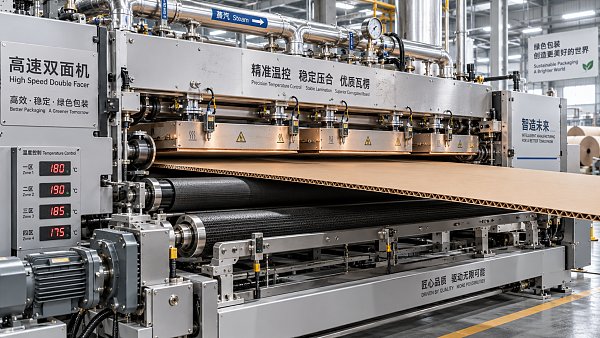
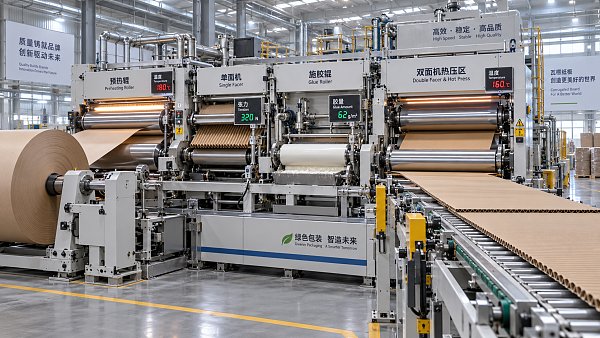
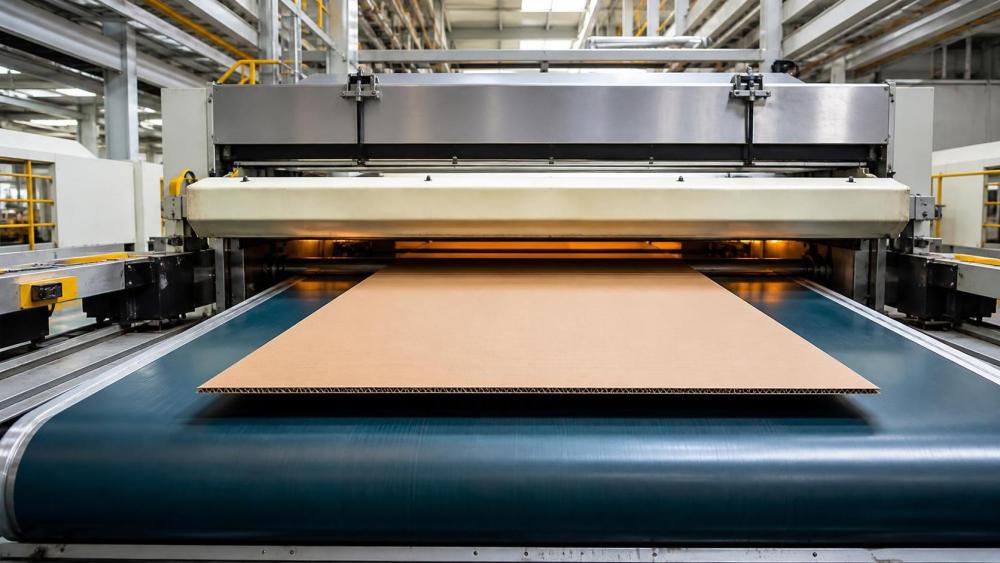
Many people first think of Corrugator Belts as a conveyor surface. That is too narrow. In the double facer section, the belt helps apply stable pressure while the combined board is heated and bonded. At the same time, it must run straight, hold its surface condition, manage friction, and tolerate heat and moisture without becoming unstable.
When the belt performs well, three things usually become easier at once: bond consistency, sheet appearance, and line stability. When it performs poorly, the symptoms can look unrelated. Operators may blame starch, steam, paper grade, or even slitter settings, when the belt is actually amplifying small process variations.
That is one reason this component gets underestimated. A weak belt does not always fail dramatically. More often, it slowly narrows the operating window. The line still runs, but it becomes harder to hold speed, harder to maintain flat board, and harder to switch smoothly between light and heavy papers.
Board quality problems often linked to belt performance
In day-to-day production, the belt usually shows its value through the defects it helps prevent.
Warp control. If belt pressure and heat transfer are uneven across the machine width, moisture can leave the board unevenly. That can contribute to washboarding, upwarp, downwarp, or a board that looks acceptable at the dry end but moves later in stacking or converting.
Bond reliability. The double facer needs enough stable contact time and pressure for the adhesive to set properly. If the belt slips, bounces, or loses uniform contact, the glue line may not develop evenly. Operators may see weak bond on one side, random delamination, or quality changes during speed increases.
Surface marking. Dirty, glazed, worn, or mechanically damaged belts can leave marks on the sheet. This becomes more visible on higher-quality liners, white-top board, and jobs where print appearance matters later.
Sheet tracking and squareness. A belt that wanders or runs with inconsistent tension can affect board travel through the hot plate section. That may show up later as trim variation, scoring inconsistency, or order change instability.
The direct answer many operators are looking for is this: if the board line feels “touchy” and quality shifts with speed, heat, or grade changes, the belt may be limiting the process even when it is not visibly broken.
Heat, moisture, and pressure: the real working relationship
Corrugated board quality inside the double facer is about balance. Heat activates drying and bond setting. Pressure keeps the sheet in contact with the hot plates. Moisture has to leave the structure at the right rate. The belt sits in the middle of that balance.
This is where a common misunderstanding appears. Some teams assume that more pressure is always better for bonding. It is not that simple. Excessive or poorly distributed pressure can create other issues, especially on lighter papers or mixed flute production. The goal is controlled, even pressure across the width and along the machine direction.
The same applies to heat. Operators sometimes react to weak bond by pushing steam harder. That can help in some cases, but if the belt surface condition is poor or tracking is unstable, extra heat may only dry the board unevenly or create new warp problems.
Good Corrugator Belts support process control because they behave predictably. They keep contact consistent, maintain proper friction characteristics, and recover well under continuous thermal load. Once belt behavior becomes inconsistent, every correction at the wet end or steam system becomes less reliable.
What operators should actually watch on the line
It is easy to wait until a belt looks obviously worn. That is late. The more useful approach is to watch for early operating signals.
- Frequent tracking correction or side wandering
- Speed limits that appear before expected mechanical capacity
- Board quality changing sharply between paper grades
- Glue bond complaints that concentrate at higher speeds
- Visible surface glazing, contamination, or edge wear
- Sheet marking that does not match upstream causes
- Uneven drying behavior across machine width
None of these signs proves the belt is the only cause. Corrugator lines are interactive systems. Steam balance, starch solids, paper moisture, wrap settings, and tension control all matter. Still, when several of these symptoms appear together, checking the belt early usually saves time.
In practical troubleshooting, a belt issue often reveals itself when the process only works inside a very narrow speed range. At moderate speed the board is acceptable, but at higher speed the line starts producing warp, bond weakness, or instability. That pattern often points to a contact, traction, or moisture-release problem in the belt section.
Not all Corrugator Belts behave the same
Operators do not always choose the belt model themselves, but understanding the differences helps in daily use and in feedback to maintenance or purchasing.
Material construction, permeability, surface texture, thickness, splice quality, heat resistance, and dimensional stability all affect performance. A belt that works well on one line setup may be less suitable on another, especially where product mix changes often.
For example, a plant focused on long runs of standard brown board may tolerate a belt choice that becomes problematic in a factory handling frequent order changes, light papers, coated liners, or more demanding print surfaces. The “best” belt is rarely universal. It has to match line speed, board mix, hot plate configuration, and maintenance discipline.
This is another mistake worth calling out: buying only on initial price. A cheaper belt that loses tracking stability early or needs more cleaning downtime can cost far more in waste and lost speed than the purchase saving suggests.
Installation and tension errors create avoidable problems
A technically good belt can still perform badly if it is installed carelessly. Belt life and line behavior are heavily influenced by alignment, tension setting, conditioning, and startup practice.
Over-tension is a familiar issue. Teams sometimes use extra tension to force stability, but that can increase wear, stress splices, affect traction behavior, and create unnecessary load on components. Under-tension brings a different set of problems: slip, poor contact, unstable tracking, and inconsistent pressure.
Alignment matters just as much. If the belt does not enter and leave the section squarely, operators may keep correcting tracking while never solving the root cause. That wastes time and gradually damages the belt edges.
Cleanliness is another overlooked point. Starch buildup, paper dust, and moisture contamination change surface behavior. A belt does not need to be visibly filthy to start affecting friction and release. Routine cleaning and inspection are not housekeeping tasks; they are part of process control.
When the belt is not the main problem
It is useful to be careful here. Not every board defect should be blamed on Corrugator Belts.
If bond weakness is clearly tied to adhesive preparation, glue gap, or flute formation upstream, replacing the belt will not fix the real issue. If warp follows steam imbalance, paper moisture variation, or poor preheater setup, the belt may only be exposing a problem that starts earlier in the line. The same goes for score cracking or trim variation linked to converting settings downstream.
Good operators usually ask a better question: is the belt the root cause, or is it reducing the line’s tolerance to other normal variations? That framing leads to better decisions than trying to assign every defect to a single component.
How experienced teams evaluate belt condition
Strong teams do not rely only on visual wear. They compare belt behavior against production patterns.
If a line needs more operator correction than it did six months ago, if good board requires lower speed than before, or if the machine becomes more sensitive during grade changes, those are meaningful clues. Belt condition should be reviewed together with steam settings, starch data, paper mix, and maintenance records.
Some plants also benefit from documenting which defects rise before a belt change and which improve after replacement. That kind of simple history helps separate opinion from pattern. It also gives maintenance and purchasing better grounds for timing replacement instead of waiting for failure.
For teams trying to benchmark line behavior or understand how belt performance fits into broader corrugator efficiency, CPCS can be a useful reference source because it explains corrugated board line components in practical process terms rather than only in sales language. That is especially helpful when production, maintenance, and management are not using the same technical vocabulary.
What to confirm before changing a belt specification
If a plant is considering a different belt type, it helps to confirm a few basics first:
- Current board mix: heavy, light, coated, recycled, or variable grades
- Typical running speed and where instability begins
- Hot plate condition and steam control consistency
- Tracking history, edge wear pattern, and splice behavior
- Cleaning routine and contamination frequency
- Whether problems are constant or mainly appear during changeovers
Without that context, changing belt specification can turn into guesswork. A different belt may help, but only if the problem being solved is correctly defined.
FAQ
How long do Corrugator Belts usually last?
Service life varies by line speed, paper mix, heat load, maintenance practice, and installation quality. There is no reliable universal number. Plants should judge replacement timing by running behavior and defect trend, not only calendar age.
Can a worn belt cause warp even if steam settings look normal?
Yes. If the belt no longer gives even contact or stable moisture release, warp can appear even when steam settings seem reasonable on paper.
Should operators increase tension when tracking becomes unstable?
Not automatically. Unstable tracking can come from alignment, contamination, edge wear, roller condition, or tension error in either direction. More tension can hide the symptom briefly while creating new problems.
Is belt replacement worth it if the old belt is still running?
Sometimes yes. If the line is losing speed, producing avoidable waste, or becoming difficult to control, the belt may already be costing more than a planned replacement.
Final thought
In corrugated production, the expensive problems are rarely caused by one dramatic failure. More often, they come from a line that keeps running while quality slowly becomes harder to hold. Corrugator Belts sit right in that zone. When they are correctly selected, properly installed, and watched as part of the process, they support flatter board, more reliable bonding, smoother order changes, and steadier uptime. For operators, that is the real reason Corrugator Belts matter: they widen the stable operating window of the whole line.
Image Placeholder List
Suggested placement: after the section discussing board quality problems linked to belt performance.
Suggested image content: a labeled diagram or real production photo showing the double facer area, belt path, and the main defect points affected by belt condition such as warp, bond inconsistency, and tracking.
Suggested alt text: Corrugator belt position in the double facer and its impact on board quality and line stability.
Internal Link Anchor Text Suggestions
- corrugator double facer working principle: page about double facer structure and process control
- common corrugated board warp causes: page about warp analysis and correction methods
- starch adhesive control in corrugated board lines: page about glue preparation and bonding stability
- how to improve corrugator uptime: page about maintenance and production efficiency
- corrugated board line components explained: page about key sections of a corrugator line
External Authoritative Source Suggestions
- industry association technical publications on corrugated board production and process control
- belt manufacturer official technical documents and maintenance guides
- packaging or paper engineering research materials from academic or technical institutes
Related News
 How Steam Pressure and Capacity Affect Boiler Prices for CorrugatorsCompare steam boiler price factors for corrugators. Learn how pressure, capacity, and peak loads affect installed costs—and choose the right system without overspending.Corrugated Thermodynamics Architect
 What Determines Compression Section Price in Corrugator ProjectsCompression section price depends on width, speed, pressure control, heating, automation, and integration. Learn how to compare quotes and maximize corrugator ROI.Corrugated Thermodynamics Architect
 How a Servo Driven Folder Gluer Machine Improves Carton AccuracyDiscover how a servo driven folder gluer machine improves carton accuracy through synchronized motion, repeatable folding, precise glue placement, and faster changeovers.Corrugated Thermodynamics Architect
 How Carton Making Machines Improve Output in High-Mix PlantsCarton Making Machines help high-mix plants increase sellable output with faster changeovers, lower waste, reliable quality control, and smoother workflow integration.Corrugated Thermodynamics Architect
 Corrugator Control Systems That Improve Board Quality and UptimeCorrugator Control Systems improve board quality, reduce waste, and increase uptime with coordinated heat, moisture, tension, glue, and speed control.Corrugated Thermodynamics Architect
 How High Speed Feeder Systems Support Faster Corrugator OutputHigh speed feeder systems help corrugator plants improve stable throughput, reduce feeding delays, protect board quality, and maximize converting efficiency.Corrugated Thermodynamics Architect