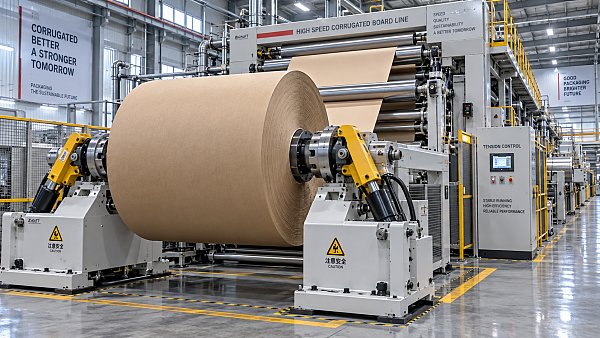
How to Choose a Pre Breaking Unit Manufacturer for Reliable Corrugator Output
Selecting the right pre breaking unit manufacturer can directly influence corrugator uptime, board quality, waste control, and downstream converting efficiency.
For procurement teams, the decision should go beyond equipment price to assess durability, paper-grade adaptability, automation capability, service response, and integration with existing production lines.
A pre breaking unit is a relatively focused corrugator component, yet poor selection can create recurring quality problems across the entire board-making process.
This guide explains how buyers can compare suppliers, define technical requirements, verify claims, and protect long-term production performance before placing an order.
Start with the Production Problem You Need to Solve
Procurement should begin with a clear operating problem, not a generic request for a pre breaking unit or the lowest quoted machine price.
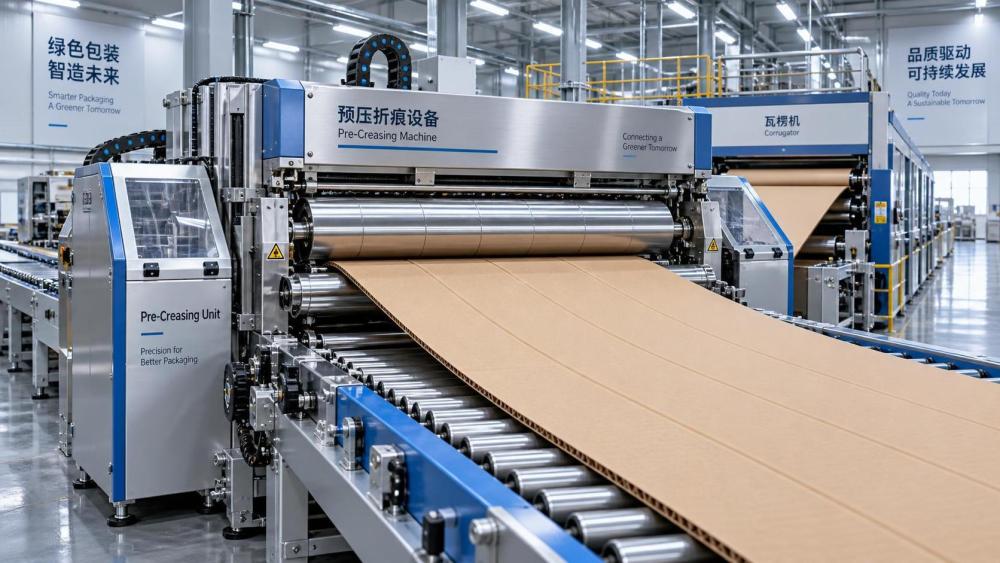
In corrugated board production, pre breaking equipment helps reduce cracking and improve fold performance by preparing score lines before downstream converting operations.
The equipment is particularly important when producing heavy board, coated linerboard, recycled paper grades, high-graphic cartons, or products with demanding folding requirements.
A poorly matched unit may create excessive board stress, inconsistent score opening, liner damage, unstable folds, or higher rejection rates at the folder gluer.
Ask production teams which defects are currently costing the most: cracked liner, poor folding, uneven scoring, operator adjustments, carton failure, or customer complaints.
Also identify whether the issue occurs on specific flute profiles, paper combinations, board thicknesses, moisture conditions, or high-speed production jobs.
These details allow buyers to define meaningful technical acceptance criteria instead of relying on broad supplier statements about quality or machine capability.
A capable pre breaking unit manufacturer should discuss the application in process terms and ask detailed questions before recommending a configuration.
Assess Mechanical Design Before Comparing Quoted Prices
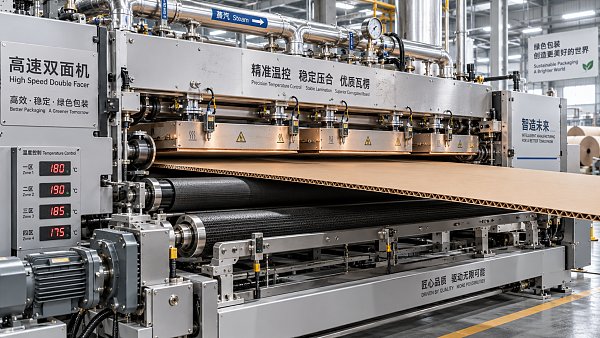
Machine construction is a major predictor of stable output because pre breaking performance depends on precise, repeatable pressure and alignment under continuous production loads.
Request information about frame rigidity, shaft design, bearing specifications, roller materials, adjustment mechanisms, transmission components, and critical wear-part construction.
A low-cost machine can become expensive if its mechanical structure loses alignment, creates vibration, requires frequent adjustment, or limits reliable running speed.
Pay particular attention to roller concentricity, surface finish, hardness, bearing protection, and the method used to maintain even pressure across board width.
Uneven pressure can result in variable folding behavior from operator side to drive side, especially on wide-format corrugators or heavier board grades.
Buyers should ask whether key settings are locked mechanically, digitally monitored, or dependent on manual adjustment by experienced operators during production.
Manual systems can be suitable for stable, repetitive production, but frequent order changes usually justify more controlled and repeatable adjustment methods.
When comparing quotations, request a component list rather than accepting broad descriptions such as heavy-duty design, premium materials, or industrial-grade construction.
Verify Paper and Board Grade Adaptability
A pre breaking unit should support the actual paper range used in the plant, not only the sample specification presented during a supplier demonstration.
Corrugated plants often process changing liner and medium qualities because paper availability, recycled-content levels, moisture conditions, and customer requirements vary over time.
Ask each supplier to confirm the supported board thickness range, flute profiles, liner weights, moisture tolerance, score patterns, and minimum usable sheet width.
The supplier should explain how pressure, depth, roller position, and speed are controlled when moving between light microflute board and heavier double-wall products.
Compatibility matters even more for recycled liners, which can respond less predictably to stress and may have lower surface strength than virgin fiber grades.
For printed or coated material, buyers should confirm whether the process can achieve fold preparation without visibly damaging the outer liner surface.
Request examples of installations running comparable paper combinations, preferably with board samples, production data, and references from similar converting applications.
A manufacturer that can define operating limits clearly is usually more credible than one that claims universal compatibility without qualification.
Match Automation Level to Order Changeover Requirements
The right automation level depends on product mix, staffing conditions, order frequency, and the financial cost of setup time rather than on technology appeal alone.
Plants producing long runs of a limited board range may achieve acceptable results with manually adjusted equipment and disciplined operating procedures.
However, operations handling short runs, frequent SKU changes, e-commerce formats, and varied carton designs need faster parameter changes with less operator dependency.
Consider whether the unit offers motorized positioning, recipe storage, automatic pressure adjustment, digital displays, encoder feedback, or connection to line control systems.
Recipe-based setup can reduce repeated adjustment work and help maintain consistent settings when jobs return after weeks or months.
It also reduces the risk that different shifts interpret setup instructions differently, which can create avoidable variation in board fold performance.
Automation should be evaluated against measurable outcomes: reduced changeover minutes, fewer startup sheets, lower waste, improved first-pass quality, and less skilled labor dependency.
Ask suppliers to state which functions are automated, which remain manual, and what intervention is still required when board quality changes during a run.
Examine Integration with the Existing Corrugator Line
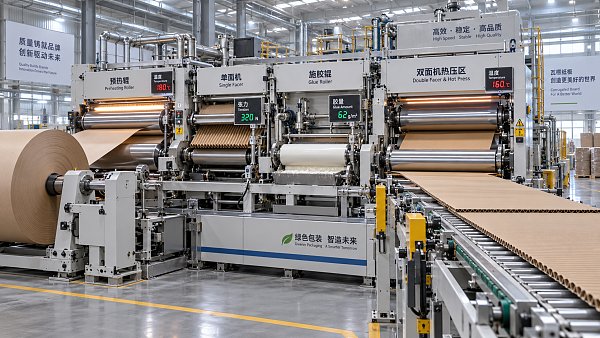
Even a well-designed pre breaking unit can underperform if it is poorly integrated with the corrugator, scoring section, conveyor arrangement, or downstream converting workflow.
Procurement teams should provide accurate line drawings, available installation space, board travel direction, operating speed range, control architecture, and electrical standards early.
The manufacturer should confirm how the equipment interfaces with existing slitting and scoring systems, machine guards, dust extraction, and board handling components.
Installation details matter because limited access, difficult maintenance space, unsuitable frame support, or poorly routed cabling can increase project cost and future downtime.
Discuss synchronization requirements carefully, especially if the equipment must respond to line speed changes, order changes, or automatic positioning commands.
Control integration should include clear responsibility boundaries between the pre breaking unit manufacturer, corrugator OEM, automation supplier, and local installation contractor.
Ask for electrical drawings, pneumatic requirements, control communication protocols, safety documentation, and a preliminary installation schedule before issuing a purchase order.
Reliable suppliers identify integration risks early instead of treating commissioning issues as site-specific problems after the equipment has arrived.
Evaluate Quality Evidence Through Trials and Acceptance Criteria
Supplier brochures and factory videos are useful, but procurement decisions should ultimately rely on documented evidence under conditions close to real production.
Whenever possible, arrange a trial using representative board samples, including difficult grades that have caused cracking, poor folds, or inconsistent scoring in the past.
Define success criteria before the test, such as fold appearance, liner integrity, score consistency, setup duration, maximum operating speed, and acceptable reject levels.
Trial results should be observed by production, maintenance, quality, and procurement representatives because each department sees a different operational risk.
Production teams can assess runnability, while quality personnel can inspect board damage and folding behavior after converting or carton erection.
Maintenance staff should evaluate access, lubrication needs, replacement procedures, alarm visibility, and the practical time required to adjust or clean the system.
For large projects, include factory acceptance testing and site acceptance testing in the contract, with signed criteria and remedies for unmet performance commitments.
A credible pre breaking unit manufacturer will accept measurable test standards when the application scope and supplied materials are defined properly.
Compare Lifecycle Cost, Service Capacity, and Spare Parts Support
The purchase price is only one part of total ownership cost, particularly when a unit affects waste, order changeovers, unplanned stoppages, and downstream carton quality.
Calculate the likely cost of lost production hours, extra scrap, emergency maintenance, replacement rollers, operator intervention, and rejected converted cartons over several years.
A higher initial investment may be justified when the design delivers longer component life, faster setup, better stability, and lower dependence on specialist operator adjustments.
Service capability deserves the same attention as machine specifications because corrugator plants cannot easily absorb extended downtime during high-demand production periods.
Ask where technicians are located, what remote diagnostic support is available, which languages are supported, and typical response times for critical failures.
Request a recommended spare parts list divided into commissioning spares, annual consumables, critical emergency items, and long-lead replacement components.
Buyers should also confirm lead times, parts pricing principles, warranty coverage, software support terms, and whether local distributors can supply qualified field service.
Suppliers with transparent lifecycle information make budgeting easier and reduce the risk of discovering hidden support costs after installation.
Use a Structured Supplier Evaluation Scorecard
A formal evaluation scorecard helps procurement teams compare proposals consistently and prevents a decision from being dominated by headline price or sales presentation quality.
Weight technical fit, board-grade adaptability, construction quality, integration capability, automation value, trial performance, service support, and lifecycle cost according to plant priorities.
For example, a high-volume sheet plant may prioritize maximum stable speed, while a converter serving many retail customers may value quick recipe changeovers more heavily.
Each supplier should answer the same technical questionnaire and provide evidence against the same requirements, including drawings, references, test results, and service commitments.
Include potential risks in the scorecard, such as unclear performance limits, dependence on proprietary parts, limited regional support, or unproven compatibility with target materials.
Commercial terms should cover delivery milestones, installation responsibilities, operator training, documentation, performance testing, warranty, payment retention, and escalation procedures.
Training is especially important because the best equipment cannot deliver repeatable results when operators do not understand adjustment logic, process limits, and routine inspection points.
Before final selection, conduct a cross-functional review so purchasing decisions reflect total operating value rather than isolated equipment procurement objectives.
Conclusion: Choose Capability That Protects Reliable Output
Choosing a pre breaking unit manufacturer is fundamentally a decision about production stability, board quality, converting performance, and the long-term cost of corrugator operation.
The strongest supplier is not necessarily the one offering the lowest initial price or the most ambitious specification without supporting operating evidence.
Procurement teams should prioritize proven mechanical design, compatibility with actual paper grades, appropriate automation, clear line integration, verified trials, and dependable service support.
When requirements are defined around measurable production outcomes, suppliers can be compared more fairly and technical risks become visible before installation begins.
A disciplined evaluation process helps packaging plants secure equipment that reduces waste, supports stable folding performance, and delivers dependable corrugator output over time.