How Steam Boilers Improve Energy Reliability in Corrugated Plants
A corrugated plant can have a modern board line, capable operators, and adequate paper inventory, yet still lose output because steam delivery is unstable. Pressure swings, wet steam, slow recovery after a grade change, or insufficient capacity during peak load can show up immediately as poor bonding, warped board, inconsistent moisture, reduced line speed, and avoidable waste.
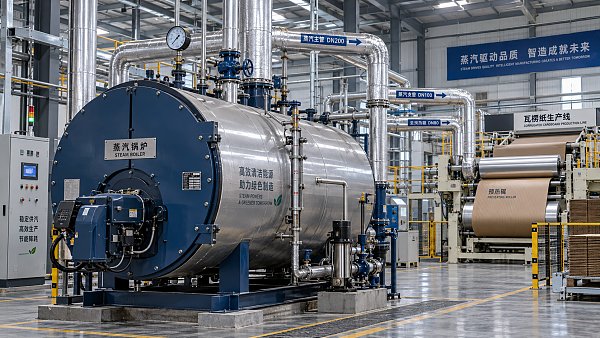
For decision-makers, the value of Steam Boilers is therefore broader than fuel efficiency. A boiler system supports production reliability when it can deliver clean, dry steam at the required pressure and volume while responding predictably to changing demand across the corrugator. The right investment improves energy reliability only when boiler capacity, controls, water treatment, distribution piping, condensate return, and maintenance practices are considered as one operating system.
Steam reliability is tied directly to board quality
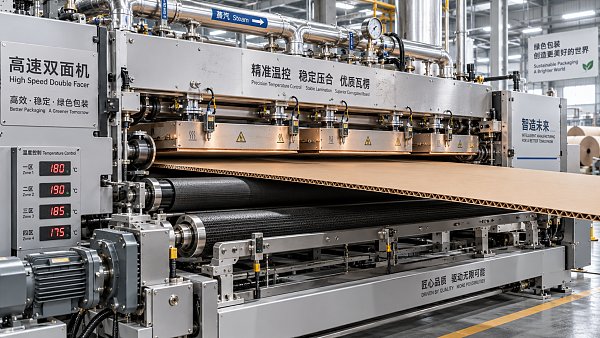
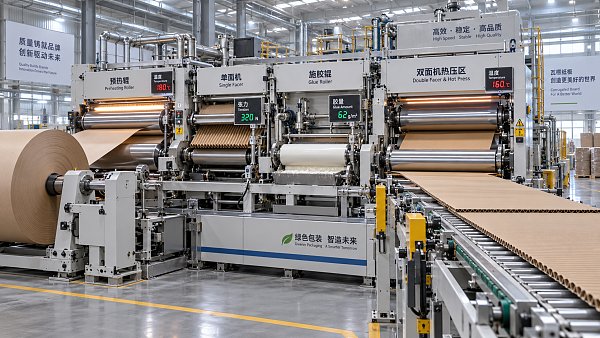
Steam performs several jobs on a corrugator. It heats paper before fluting, conditions linerboard and medium, supports starch gelatinization, transfers heat through the single facer and double facer, and helps dry the combined board before downstream converting. Each of these stages depends on controlled heat transfer rather than simply high temperature.
If the steam supply is inconsistent, the corrugator team often compensates by changing wrap angles, brake settings, adhesive application, speed, or temperature setpoints. Those adjustments may help temporarily, but they can also move the process away from its intended operating window. A plant then experiences quality variation that appears to be a paper, glue, or machine problem when the underlying issue is unstable thermal energy.
Common symptoms include weak pin adhesion, uneven bonding across the sheet, washboarding, board warp, excess moisture, excessive drying, and fluctuating flute formation. These defects do not have a single cause, but steam performance should be investigated whenever they occur alongside pressure drops, frequent boiler cycling, condensate accumulation, or unstable roll temperatures.
Reliable steam supports a more stable relationship between paper moisture, adhesive behavior, and line speed. That relationship matters especially when a plant runs a broad mix of paper grades, changes flute profiles frequently, or handles short production runs. In such operations, the thermal system must recover quickly without forcing operators to slow the machine or accept a long stabilization period after every transition.
Boiler capacity should be based on usable load, not nameplate comfort
A frequent planning error is to size a boiler around the average steam demand of the corrugator. Average demand is useful for energy budgeting, but it is not enough for production reliability. Corrugated plants experience load changes during start-up, speed increases, paper grade changes, wash-up periods, order transitions, and simultaneous demand from auxiliary equipment.
A boiler that appears adequate during steady production may struggle when several heat users call for steam at the same time. Pressure can fall just as the line is accelerating, and recovery may be too slow for the corrugator to regain stable operating conditions. Oversizing alone is not a complete answer either. An excessively large unit can cycle inefficiently under low load, create unnecessary fuel losses, and complicate emissions and maintenance management.
Capacity review should therefore consider the plant's demand profile rather than a single consumption figure. The assessment should include:
- Maximum expected corrugator load at target production speed.
- Start-up demand and the time required to bring rolls, paper, and process equipment to stable conditions.
- Concurrent steam users, including preheaters, hot water systems, humidification equipment, starch preparation, or other production areas.
- Expected product mix, paper weights, flute combinations, and the frequency of order changes.
- Future capacity additions that may use the same steam header.
- Required operating margin during maintenance, peak demand, or the loss of one boiler in a multi-unit configuration.
The resulting decision may favor one larger boiler, several modular units, or a lead-lag arrangement. The best configuration depends on the plant's load pattern and uptime requirement. A site with relatively stable, high-volume production may prioritize continuous high-load efficiency. A plant with variable orders and frequent changes may gain more from staged capacity that follows demand without severe cycling.
Pressure stability depends on the whole steam path
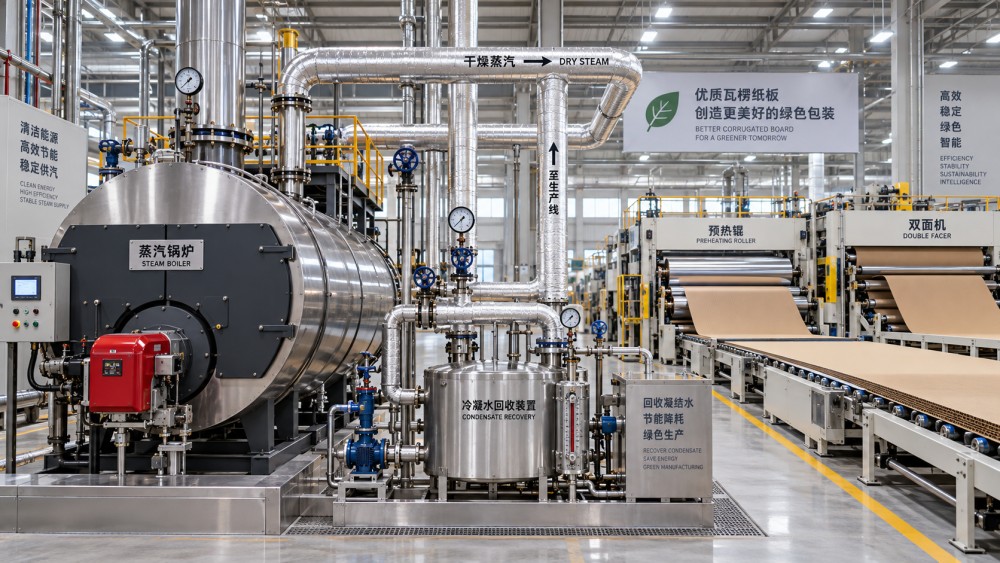
Replacing an older boiler does not automatically solve corrugator steam problems. Steam may leave the boiler at acceptable conditions and still reach the process poorly because of undersized piping, damaged insulation, poor header design, failed traps, inadequate separators, or insufficient condensate return capacity.
For corrugated production, pressure at the boiler outlet is less meaningful than pressure and steam quality at the point of use. Long distribution runs, sharp load changes, and improperly managed condensate can reduce the heat available at preheaters and hot plates. Wet steam contains entrained water droplets that reduce heat-transfer consistency and can contribute to thermal shock, corrosion, and mechanical stress in downstream equipment.
Steam traps deserve particular attention. Their role is to remove condensate and non-condensable gases while retaining usable steam. A trap stuck open wastes steam. A trap stuck closed can flood equipment and reduce heat transfer. Both conditions raise energy cost, but the second can quickly become a production problem because the corrugator no longer receives predictable thermal performance.
A practical reliability review should map the system from boiler feedwater to condensate return. It should examine boiler output pressure, header pressure, pressure-reducing stations where used, condensate temperature, trap condition, insulation condition, and the response of key process zones during line speed changes. This creates a clearer distinction between a generation shortfall and a distribution problem.
Control quality matters as much as rated efficiency
Boiler efficiency is often discussed as a fuel-to-steam measure. That metric is important, but it does not fully describe energy reliability in a packaging plant. A highly efficient boiler operating with slow, poorly coordinated controls can still create costly variation at the corrugator.
Control performance determines how the boiler responds to demand changes, maintains pressure, manages feedwater, regulates combustion, and coordinates multiple units. For plants with variable production loads, the ability to modulate smoothly is often more useful than a narrow operating point with an attractive efficiency figure.
Decision-makers should ask how the boiler behaves at partial load, not only at maximum capacity. They should also assess turndown capability, firing response, lead-lag logic for multiple boilers, alarm management, remote monitoring, and the availability of operating data. A system that records pressure, firing rate, feedwater use, fuel consumption, and condensate return can help maintenance and production teams identify whether energy loss is linked to demand changes, leaks, poor water quality, or process drift.
Control integration with plant energy monitoring can be valuable, but the data should support action. A dashboard that reports total fuel use without showing steam pressure trends, boiler cycling, blowdown frequency, or condensate recovery provides limited help when production reliability declines. The most useful measurements connect energy behavior with corrugator operating conditions and quality outcomes.
Water treatment and condensate recovery are reliability controls
Steam quality begins with feedwater quality. Scale, corrosion products, dissolved gases, and poor chemical control can reduce heat transfer inside the boiler, damage valves and traps, cause carryover, and increase unplanned maintenance. These issues often build gradually, which makes them easy to overlook until output becomes unreliable or fuel consumption rises noticeably.
Water treatment must match the incoming water source, boiler design, pressure range, and condensate condition. The plant should have defined routines for feedwater testing, chemical dosing, blowdown control, and inspection of condensate quality. Returning contaminated condensate without appropriate monitoring can introduce process chemicals, oil, or corrosion products into the boiler system. Discarding usable condensate, on the other hand, increases water, chemical, and fuel demand because more cold makeup water must be heated.
Condensate recovery is particularly important in corrugated plants because recovered condensate retains significant thermal value. A well-managed return system lowers the heating burden on the boiler and can improve response during changing production demand. Its benefit depends on return temperature, flash steam management, pump sizing, receiver capacity, and the cleanliness of the recovered condensate.
There is a useful distinction between energy efficiency and operational resilience here. A high condensate return rate may look favorable on a utility report, but it is only beneficial when the return system remains stable under production conditions. Pumps that cavitate, receivers that overflow, or contaminated returns can disrupt the boiler and create more downtime than the recovered energy is worth.
Maintenance planning should follow production risk
Boiler maintenance is sometimes managed as a utilities activity separate from corrugator performance. That separation can obscure the cost of steam-related reliability failures. When a boiler, burner, feedwater pump, trap station, or control valve fails, the impact may include lost board output, rejected material, delayed shipment, and extended restart time.
A more useful approach is to classify steam-system assets by their effect on production continuity. The boiler itself is critical, but so are water treatment components, safety devices, burners, feedwater pumps, pressure controls, condensate pumps, critical valves, and trap assemblies serving major corrugator zones.
Maintenance programs should combine scheduled inspection with condition-based checks. Pressure trends, unusual cycling, changes in fuel-to-steam performance, makeup-water increases, trap failures, and recurring condensate issues are early signals that deserve investigation. Stocking essential spares and maintaining access to qualified service support can also matter more than selecting the lowest initial-cost equipment.
What an investment decision should test
When evaluating Steam Boilers for a corrugated plant, the first question should be whether the proposed system can protect production under the plant's real operating pattern. A supplier quotation that lists capacity, efficiency, and fuel type is only the starting point.
Project teams should test the proposal against demand variability, required pressure at the corrugator, start-up and recovery expectations, water treatment needs, condensate return design, redundancy requirements, control architecture, maintenance access, and integration with existing utility infrastructure. The review should include piping and process interfaces, because boiler performance cannot be separated from the network that delivers heat to the board line.
The strongest boiler investment is one that gives operators predictable steam conditions across normal production changes, provides maintenance teams enough visibility to prevent failures, and keeps energy performance from deteriorating as the plant's product mix changes. In corrugated manufacturing, reliable steam is not a background utility. It is part of the process capability that supports stable speed, consistent board quality, and dependable delivery.
Related News
 How Steam Pressure and Capacity Affect Boiler Prices for CorrugatorsCompare steam boiler price factors for corrugators. Learn how pressure, capacity, and peak loads affect installed costs—and choose the right system without overspending.Corrugated Thermodynamics Architect
 What Determines Compression Section Price in Corrugator ProjectsCompression section price depends on width, speed, pressure control, heating, automation, and integration. Learn how to compare quotes and maximize corrugator ROI.Corrugated Thermodynamics Architect
 How a Servo Driven Folder Gluer Machine Improves Carton AccuracyDiscover how a servo driven folder gluer machine improves carton accuracy through synchronized motion, repeatable folding, precise glue placement, and faster changeovers.Corrugated Thermodynamics Architect
 How Carton Making Machines Improve Output in High-Mix PlantsCarton Making Machines help high-mix plants increase sellable output with faster changeovers, lower waste, reliable quality control, and smoother workflow integration.Corrugated Thermodynamics Architect
 Corrugator Control Systems That Improve Board Quality and UptimeCorrugator Control Systems improve board quality, reduce waste, and increase uptime with coordinated heat, moisture, tension, glue, and speed control.Corrugated Thermodynamics Architect
 How High Speed Feeder Systems Support Faster Corrugator OutputHigh speed feeder systems help corrugator plants improve stable throughput, reduce feeding delays, protect board quality, and maximize converting efficiency.Corrugated Thermodynamics Architect