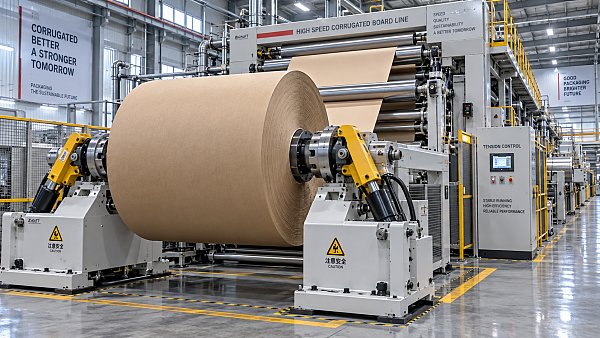
Corrugator Starch Systems: How to Prevent Bond Failures at High Speed
Bond failures at high corrugator speed are usually created before the board reaches the double facer. The visible defect may be loose liner, open flute tips, washboarding, edge lift, or delamination after cooling, but the underlying cause is often a mismatch between starch condition, paper moisture, heat transfer, and the time available for the adhesive to gel.
Stable bonding requires the adhesive to transfer evenly to the flute tips, wet the liner sufficiently, reach its gel point under controlled heat, and lose enough water for the bond to set before the board leaves the hot section. When line speed rises, the available residence time becomes shorter. A setting that worked on a slower run can therefore produce weak bonds even though the glue mix, paper grade, and machine settings appear unchanged.
Start With the Failure Pattern
A weak bond is not a single fault. Separating the pattern before changing settings prevents unnecessary adjustments that create new problems elsewhere on the line.
A common mistake is to treat every bond failure by increasing adhesive application. More starch can mask a low-transfer condition for a short time, but it also adds water. At high speed, that added water may remain in the board, weaken the set during cooling, promote warp, and overload the double facer drying capacity. The correct response depends on whether the original problem is lack of adhesive, poor penetration, inadequate heat, insufficient pressure contact, or excess moisture.
Keep the Adhesive Within a Usable Window
Starch adhesive must be consistent from batch preparation through delivery to the corrugator. Viscosity alone does not define whether the mix will bond well. A glue can show an acceptable viscosity reading while carrying an unsuitable solids level, gel point, temperature, or degree of carrier starch development. These properties interact with the paper and the machine.
High-speed work places particular demand on gel point control. If the adhesive gels too late for the available heat exposure, it may remain wet at the bond line as the board exits the double facer. If it gels too early, transfer and penetration can suffer, especially where liners are dense, highly sized, or relatively dry. The practical target is an adhesive condition that transfers cleanly, wets the paper surface without flooding it, and develops quickly enough within the available heat profile.
Do not judge a batch solely at the kitchen. Verify the condition at the applicator because recirculation, holding time, shear, dilution, and temperature change what reaches the glue roll. Settling in a poorly agitated tank, partial blockage in a return line, or inconsistent addition of make-up water can create concentration shifts that are difficult to see in the pan. The first sheets after a stop, a grade change, or a long idle period deserve closer attention because the adhesive and the machine may not yet be in steady state.
Temperature control also needs restraint. Warming adhesive may improve flow, but excessive temperature can alter viscosity and shorten the usable process window. Cold adhesive, meanwhile, may transfer poorly and respond slowly when it reaches the hot paper. The relevant question is whether the delivered adhesive condition is stable across the shift, not whether one spot reading looks acceptable.
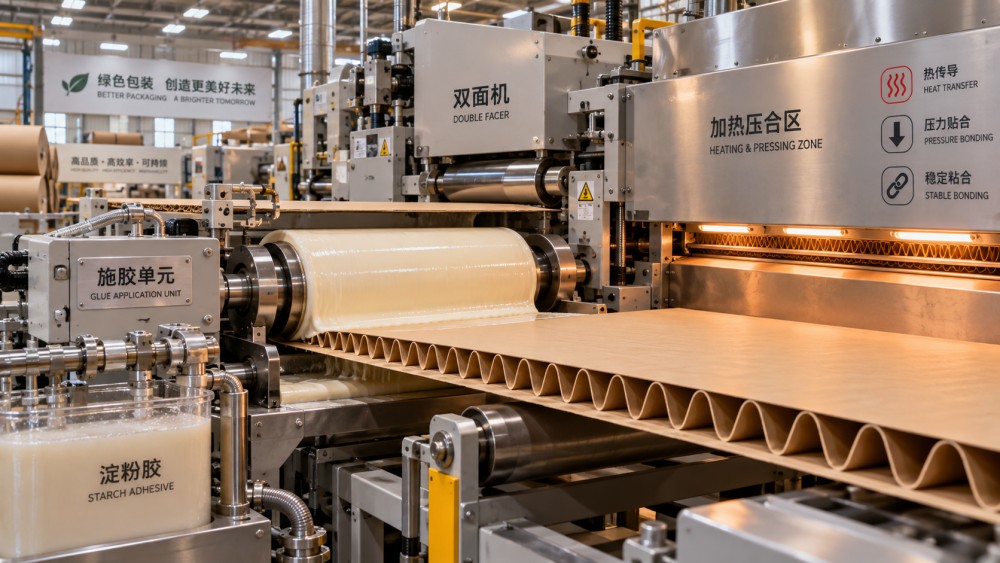
Read Glue Application as a Transfer Problem
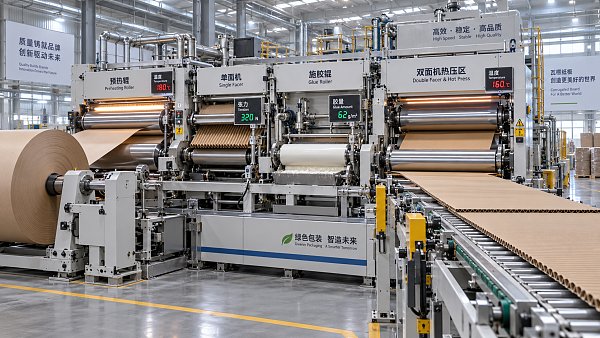
The glue station does not simply deposit a quantity of starch. It creates a patterned transfer from the metering system to the applicator roll and then to the flute tips. The correct appearance depends on flute profile, paper absorbency, board construction, and speed. A film that looks generous in the pan may still produce incomplete tip coverage if the glue roll is glazed, the metering roll is worn, the nip is poorly set, or the adhesive is not reaching the roll uniformly.
Inspect flute-tip coverage on freshly combined web before assuming the double facer is at fault. Incomplete contact at the single facer produces a bond defect that downstream heat cannot repair. Excessive squeeze at the glue roll can also be misleading: it may flatten the transfer pattern, force starch away from the highest flute tips, or make the system sensitive to minor web movement.
Conditions that change the correct glue film
- A porous medium can absorb water rapidly. It may need adhesive that maintains enough body at the flute tip instead of disappearing into the sheet before gelation.
- A dense or heavily sized liner resists wetting. Raising application volume without adjusting preheat or adhesive development can leave a wet, poorly anchored bond line.
- Fine flute profiles create more bond points per unit area and are less forgiving of contamination, uneven roll pressure, and small changes in metering.
- Heavier board constructions carry greater thermal load through the double facer. A glue setting that works on lighter combinations may not reach full development at the same speed.
Cleanliness matters more as speed increases. Dried starch, paper dust, damaged roll plating, and debris in the pan interrupt the film and produce repeated weak areas. When failures occur at a regular interval, look for a roll-surface defect, buildup, or mechanical eccentricity before changing the starch recipe. A repeating defect is rarely explained by paper chemistry alone.
Heat, Moisture, and Dwell Time Must Agree
Starch bonding relies on controlled water movement and heat transfer. The paper needs enough moisture and temperature for the adhesive to wet and gel, while the finished board must leave the hot section dry enough to retain bond strength and dimensional stability. These requirements are linked; correcting one by force often disrupts the other.
Preheaters establish the starting condition of liners and medium. A very cold web can draw energy away from the bond line and delay gelation. Overheating or overdrying the web may reduce receptivity to the adhesive, particularly on papers with variable sizing or low incoming moisture. Wrap angle, web contact, steam condition, and paper tension all influence actual heating. A preheater setting is therefore an input, not proof that the paper has reached the intended condition.
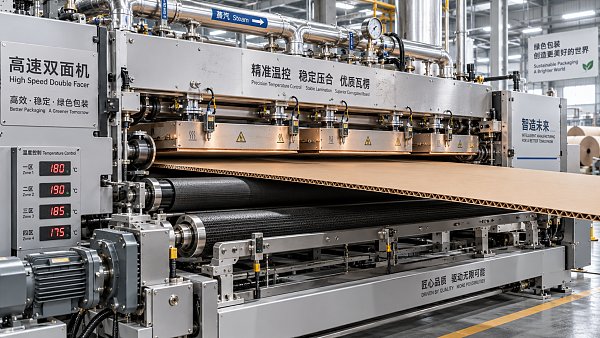
The double facer supplies the heat and pressure needed to complete the bond. At elevated speed, board residence time falls while the thermal demand remains. Poor belt contact, worn pressure shoes, uneven loading, fouled hot plates, condensate problems, or unstable steam pressure reduce heat transfer even when indicated plate temperature looks normal. The result can be a board that appears acceptable immediately after the nip but separates during scoring, cutting, stacking, or later converting.
Exit moisture is an important diagnostic, but it should be interpreted with the defect. A dry board with weak adhesion points toward inadequate glue transfer, low penetration, localized heat failure, or a bond line that set before proper wetting. A damp board with weak adhesion suggests insufficient drying capacity, excessive application, low effective heat, or speed beyond the current thermal window. Warp alongside bond failure often signals that the system is trying to compensate for one-sided moisture or heat imbalance.
Do Not Diagnose Paper Grade Changes by Grade Name Alone
Two reels described by the same grade can behave differently on the corrugator. Incoming moisture, surface sizing, caliper, furnish variation, storage conditions, reel temperature, and winding condition affect how the web receives heat and adhesive. A problem appearing after a reel splice is meaningful evidence, particularly when the starch kitchen and machine settings have remained stable.
Paper stored in a cold or humid area may require a different preheat response from material that has equilibrated near the machine. Treating both reels identically can lead to one-sided curl, delayed gelation, or uneven penetration. Reels with damaged edges also introduce another source of confusion: edge crush and tracking variation can reduce contact or disturb glue application, creating what looks like a chemistry problem.
When a new paper combination is introduced, make controlled changes. Altering starch solids, glue gap, preheat, belt pressure, and line speed at the same time removes the evidence needed to identify the cause. Hold the adhesive condition steady where possible, establish whether the defect begins before or after the double facer, then adjust the process variable most directly connected to that location.
Recover From a High-Speed Bond Failure Without Chasing the Defect
When bonding deteriorates during a run, first establish whether the pattern is full-width, edge-specific, repeating, or tied to a splice, order change, or speed increase. This narrows the search. Examine the fresh glue transfer and the first bonded interface rather than relying only on finished-board appearance.
- Reduce speed enough to restore a stable condition if the bond is actively opening. This protects material while preserving a reference point for diagnosis.
- Confirm the actual adhesive condition at the machine: temperature, flow, circulation, visible uniformity, and any shift from the approved batch condition.
- Inspect the glue roll, metering arrangement, pan, and flute-tip coverage. A localized transfer defect should be corrected before changing heat settings.
- Trace heat delivery through preheaters and the double facer. Look beyond displayed temperature to web contact, steam stability, drainage, belt condition, and pressure distribution.
- Compare the affected reel or board combination with the last known good material condition. Note timing around splices, storage exposure, and grade changes.
Once the primary cause is corrected, return to target speed progressively while observing both immediate adhesion and board behavior after cooling. A fast restart that restores surface appearance but not full bond development often creates delayed claims and converting losses. Samples should be taken across the width because central board quality can hide edge-specific failures.
Mechanical Condition Often Sets the Limit
High-speed corrugator performance is constrained by the weakest interaction in the bonding path. Starch preparation may be well controlled, yet worn applicator bearings, uneven roll loading, poor belt tracking, damaged pressure elements, or heat-transfer loss can prevent the system from using that adhesive effectively. Mechanical inspection should be linked to defect location rather than performed as a generic maintenance exercise.
For example, a weak leading edge after frequent order changes may point to transient tension, unstable preheat wrap, or glue application during acceleration. A persistent weak trailing edge may relate to web control, contact pressure, or cutting and conveying stress exposing an already marginal bond. Delamination close to one side of the board deserves a physical inspection of that side's roll contact, heating path, and pressure system.
Reliable bonding at high speed comes from maintaining a repeatable relationship among adhesive condition, flute-tip transfer, paper preparation, and double facer energy. When those elements are assessed as one process rather than as isolated settings, bond failures become easier to locate and less likely to return after speed is restored.
Related News
 What Determines Compression Section Price in Corrugator ProjectsCompression section price depends on width, speed, pressure control, heating, automation, and integration. Learn how to compare quotes and maximize corrugator ROI.Corrugated Thermodynamics Architect
 How a Servo Driven Folder Gluer Machine Improves Carton AccuracyDiscover how a servo driven folder gluer machine improves carton accuracy through synchronized motion, repeatable folding, precise glue placement, and faster changeovers.Corrugated Thermodynamics Architect
 How Carton Making Machines Improve Output in High-Mix PlantsCarton Making Machines help high-mix plants increase sellable output with faster changeovers, lower waste, reliable quality control, and smoother workflow integration.Corrugated Thermodynamics Architect
 Corrugator Control Systems That Improve Board Quality and UptimeCorrugator Control Systems improve board quality, reduce waste, and increase uptime with coordinated heat, moisture, tension, glue, and speed control.Corrugated Thermodynamics Architect
 How High Speed Feeder Systems Support Faster Corrugator OutputHigh speed feeder systems help corrugator plants improve stable throughput, reduce feeding delays, protect board quality, and maximize converting efficiency.Corrugated Thermodynamics Architect
 Heavy Duty Unwind Stands That Stabilize High-Speed CorrugatorsHeavy duty unwind stands stabilize high-speed corrugators with precise tension control, secure reel handling, and smoother roll changes. Discover how to reduce breaks, waste, and downtime.Corrugated Thermodynamics Architect