Canada Removes 50% Retaliatory Tariff on U.S. Corrugated Packaging
Canada has removed a 50% retaliatory tariff on corrugated paper and paperboard from the United States, following lobbying by food producers including the Canadian Greenhouse Vegetable Growers Association. The date of the removal was not specified. The change matters to packaging buyers and agricultural producers because corrugated materials are a key input in the safe packaging and delivery of produce.
Tariff Removed After Food Producers' Appeal
The 50% tariff took effect on September 8. The Canadian Greenhouse Vegetable Growers Association and other food industry producers successfully lobbied the Canadian government to remove it from corrugated paper and paperboard originating in the United States.
These materials are used as packaging inputs, including for agricultural products. The supplied information does not specify the date on which the removal took effect or provide detailed implementation terms.
Where Packaging Costs and Deliveries May Shift
Buyers of U.S. Corrugated Materials
From a procurement perspective, removing the tariff could reduce the cost pressure associated with sourcing affected materials from the United States. Buyers may need to examine quotations and purchase terms to determine how the change is reflected in their own orders. The extent and timing of any price adjustment remain unclear.
Produce Growers and Food Producers
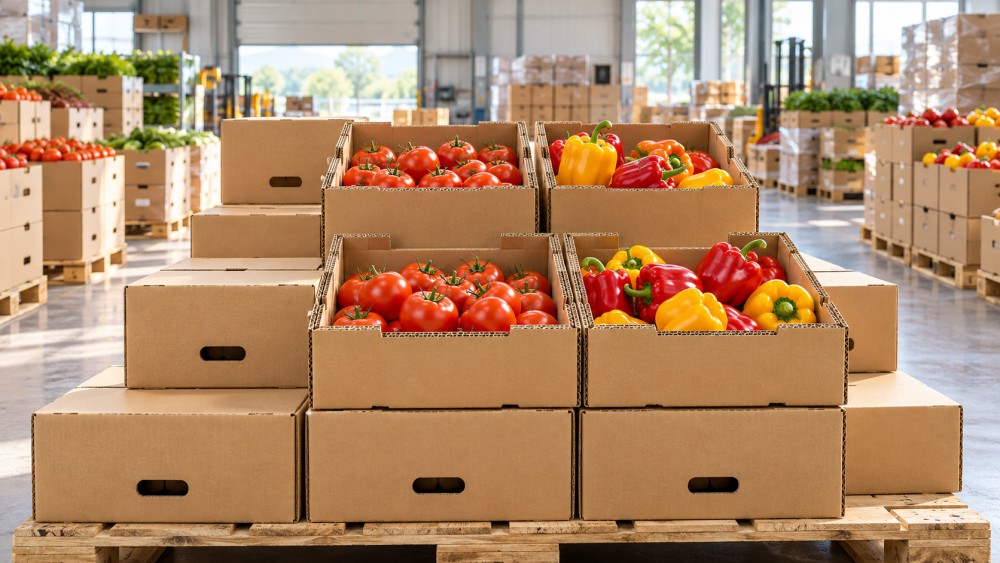
Analysis suggests that food producers relying on corrugated packaging could benefit if lower input costs are passed through the supply chain. They may also want to review packaging availability and delivery schedules, since suitable packaging supports the safe handling and delivery of produce. The supplied information does not establish how individual suppliers or buyers have adjusted their arrangements.
Packaging Suppliers and Cross-Border Traders
For suppliers and traders, the change may affect pricing discussions, order planning and documentation for affected goods. They should consider verifying the product scope and applicable treatment with relevant authorities before relying on an assumed tariff outcome for a particular shipment.
Checks for Purchases and Shipments
Confirm the Applicable Treatment
Companies can check the removal's effective date, product coverage and any relevant customs instructions when official details are available. Particular attention may be needed for orders or shipments associated with the period around the change; the supplied information does not establish how those transactions will be treated.
Review Quotes and Procurement Plans
Buyers may wish to ask suppliers how the removal affects current quotations and existing purchase arrangements. Comparing expected packaging costs with delivery commitments could help businesses assess whether procurement plans need adjustment, without assuming that the full tariff change will be reflected in prices.
Protect Packaging and Delivery Requirements
Growers and food producers can review whether planned supplies continue to meet their packaging and delivery needs. Any proposed material or supplier substitution should be assessed against the needs of the produce being shipped rather than treated as an automatic consequence of the tariff change.
A Removal With Execution Details Still to Verify
The reported removal is best understood as a policy change, while its practical application and commercial effects require further verification. The date and terms of implementation, customs treatment for individual transactions, supplier pricing and industry feedback could all influence how much relief businesses experience and when.
What the Change Means for Planning
The removal addresses a tariff on a packaging input used across the North American supply chain. For businesses, the immediate planning priority is to verify the rules applicable to their products and shipments while reviewing procurement and delivery arrangements. Cost relief is a reasonable possibility, but its scale should not be assumed from the tariff announcement alone.
Basis for This Report
This article is based on the user-provided news title, event timing and summary. No specific official source link was provided in the input, so the details require continued verification. Relevant materials to monitor include official government announcements, customs or trade authority information, and industry association communications, along with further information on implementation and industry feedback.
Related News
 KPS to Acquire 70% of MM Packaging at €2.4 Billion Enterprise ValueKPS will acquire 70% of MM Packaging at a €2.4 billion enterprise value. Explore what the deal means for the packaging business and its customers.Corrugated Thermodynamics Architect
 How to Size Bridge Conveyors for a Corrugator LineSize Bridge Conveyors for your corrugator line with practical guidance on web accumulation, sheet throughput, layout, and controls. Avoid costly bottlenecks.Corrugated Thermodynamics Architect
 Nine Dragons Paper Raises Chongqing Corrugated Paper Price by 50 Yuan per TonneNine Dragons Paper raises Chongqing corrugated paper prices by 50 yuan per tonne. See when the increase takes effect and what it means for packaging costs.Corrugated Thermodynamics Architect
 How Automatic Warp Control Systems Improve Corrugated Board FlatnessDiscover how automatic warp control systems improve corrugated board flatness, reduce production waste and support more reliable converting.Corrugated Thermodynamics Architect
 How to Evaluate a Sheet Stackers Factory for Your Production LineEvaluate a sheet stackers factory with confidence. Compare capacity, line integration, acceptance tests and service to choose the right supplier for your production line.Corrugated Thermodynamics Architect
 What to Ask a Starch Mixer Manufacturer Before OrderingChoosing a starch mixer manufacturer? Ask these essential questions about capacity, pricing, automation and support before you order.Corrugated Thermodynamics Architect