Variable Data Printing Systems for Short Runs: What Makes Them Efficient?
Short runs used to be the awkward middle ground of commercial printing. Too small for conventional workflows to feel economical, yet too demanding to tolerate inconsistency, they often created hidden friction: repeated make-readies, substrate waste, operator intervention, and scheduling gaps that quietly eroded margins. That is why Variable Data Printing Systems have become more than a niche digital capability. In short-run environments, they are increasingly the mechanism that turns complexity into control.
For enterprise decision-makers, the question is not simply whether variable printing can personalize output. The more useful question is why some systems handle short runs with remarkable efficiency while others only shift costs from plates to software, from setup to maintenance, or from labor to troubleshooting. The answer sits at the intersection of print engine design, workflow automation, inspection, data handling, and line integration.
In packaging, labels, inserts, transactional print, and promotional materials, every short run carries a similar pressure: deliver fast, change often, waste less, and still maintain brand-level quality. That pressure is exactly where well-designed Variable Data Printing Systems prove their value.
Efficiency in short runs begins before the first sheet is printed
Many buyers evaluate printing systems at the moment ink hits substrate. In reality, short-run efficiency is decided earlier. It starts with how a job is prepared, how quickly files are processed, how variable fields are mapped, and how reliably the system moves from one SKU or version to the next without manual resets.
Traditional production loses time in setup because the machinery and the workflow are built around long, stable runs. Plates, color adjustments, mechanical changes, registration checks, and trial sheets all consume resources before saleable output begins. In a short-run model, those “small” setup phases can become the largest cost element in the job.
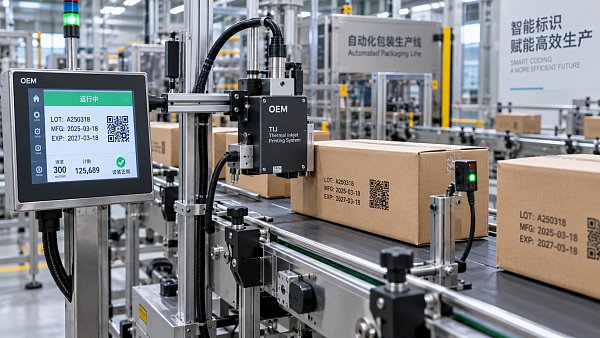
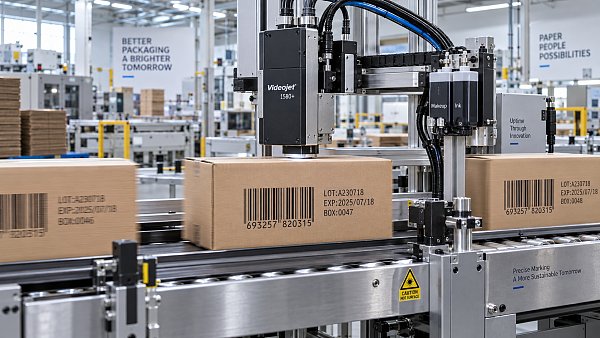
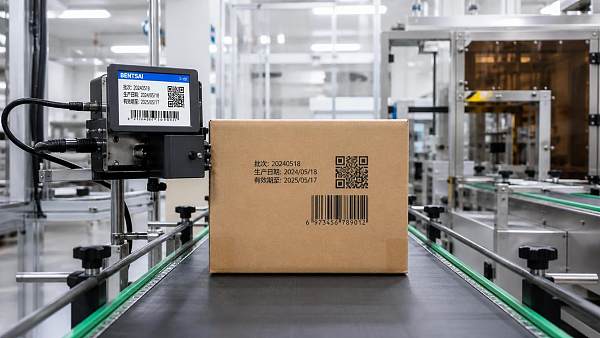
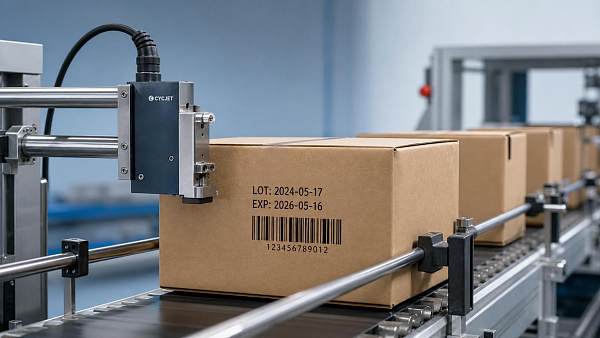
Variable Data Printing Systems reduce this burden by replacing a large portion of physical setup with digital control. Changing names, barcodes, artwork versions, regional compliance text, batch codes, or serialized identifiers no longer requires new plates or lengthy makeready sequences. The system reads a new data stream and continues printing with a different content layer almost immediately.
That sounds simple, but it only becomes efficient when the front-end workflow is equally capable. Slow RIP performance, poor data structuring, fragmented approval processes, or incompatible MIS and ERP connections can easily cancel out the advantage of digital changeovers. In other words, the engine matters, but the workflow architecture matters just as much.
What makes a Variable Data Printing System genuinely efficient?
Not every platform marketed for variable output is optimized for short runs. The most efficient systems usually share several practical characteristics.
1. Minimal changeover time between jobs
In short-run production, throughput is not only measured in impressions per hour. It is measured in useful impressions per shift. A system that prints quickly but pauses frequently for setup, file loading, calibration, or operator correction may underperform a slightly slower press with cleaner transitions between jobs.
The best-performing setups are designed for rapid sequencing: automated job queuing, stored color profiles, substrate presets, and intuitive operator interfaces. When dozens of small jobs must move through in a single shift, these details make a measurable difference to uptime and planning reliability.
2. Stable print quality across changing content
Variable printing introduces complexity because the image is never truly static. Text fields shift, barcodes update, graphics versioning changes, and serialized information flows continuously. Efficiency disappears if operators must stop repeatedly to correct density drift, registration issues, unreadable codes, or mismatched versions.
That is why consistency is not only a quality concern; it is an operational one. Enterprises running pharmaceutical cartons, e-commerce packaging, promotional campaigns, or regulated labels need every piece to be both different and correct. A variable data workflow that creates reprints, quarantined batches, or downstream verification failures is not efficient, no matter how fast the printhead moves.
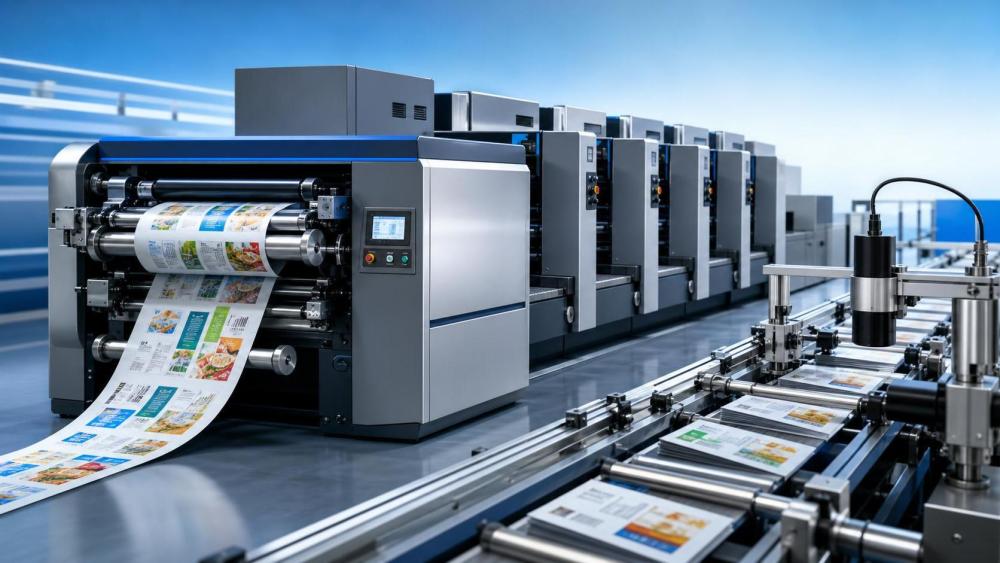
In this area, the broader packaging machinery ecosystem offers an important lesson. High-speed corrugated lines, flexographic presses, die-cutters, and folder gluers all chase the same objective: maximize OEE while driving down material loss. Variable print systems fit best when they adopt that same industrial logic—repeatability, control, and low spoilage rather than speed in isolation.
3. Integrated inspection and verification
One of the clearest markers of an efficient system is whether quality assurance is built into production rather than pushed to the end. For variable jobs, this is essential. Human sampling alone is not enough when every item may carry unique content.
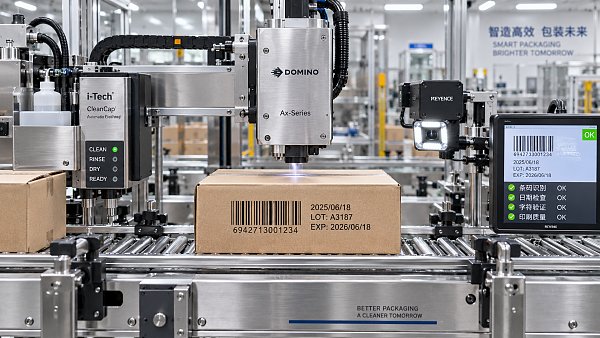
Vision inspection, barcode verification, OCR/OCV checking, and automated rejection logic help prevent small errors from becoming large waste events. In sectors where a missing code, duplicate serial number, or wrong language variant can trigger recalls or compliance risk, inline inspection is not an optional upgrade. It is part of the efficiency model.
This is especially relevant in the CPCS worldview, where coding and vision inspection act as the “omniscient arbiters of quality.” Whether on cartons, corrugated packs, or inserts, the strategic value lies in catching faults at line speed, before they propagate into finishing, packing, shipment, or customer claims.
4. Reliable data handling at production speed
Variable printing is only as strong as the data feeding it. A short run may involve customer-specific personalization, regionalized packaging text, unique QR codes, serialized IDs, or promotional versioning linked to campaign logic. If databases are poorly structured, if records are duplicated, or if the print controller struggles with real-time processing, the press becomes a bottleneck.
Efficient systems handle large data volumes without hesitation. They can merge records, process image variations, and maintain synchronization between print, inspection, and finishing stages. For decision-makers, this means evaluating more than print resolution and speed specs. It means asking how the platform manages data integrity, version control, audit trails, and recovery when something goes wrong.
5. Reduced substrate waste during setup and restart
Short runs leave very little room for spoilage. If a job only consists of a few hundred or a few thousand pieces, wasting dozens or hundreds of sheets in setup can destroy profitability immediately.
This is where efficient Variable Data Printing Systems stand apart from less mature alternatives. They are built to reach color faster, align image position with fewer trial cycles, and resume production cleanly after stoppages. In packaging and board converting, this matters even more because the cost of waste is not just ink and substrate. It can include value already added through coating, laminating, die-cutting, or downstream converting.
Why short-run efficiency now matters more than it did a few years ago
The market has changed. SKU proliferation is no longer confined to premium consumer brands. Regulatory fragmentation, private-label expansion, omnichannel retail, multilingual requirements, seasonal promotions, and direct-to-consumer fulfillment have all increased version count. Even conservative operations are being asked to produce more combinations in smaller quantities.
At the same time, sustainability targets have sharpened the financial and strategic importance of waste reduction. In corrugated and folding carton operations, “absolute zero paper waste” may be aspirational, but the direction is clear: less setup spoilage, fewer rejected batches, and tighter process control. Variable printing supports that shift when it replaces analogue inefficiencies rather than simply adding another isolated digital step.
For companies navigating plastic-replacement regulations, shorter product cycles, and more frequent artwork updates, the ability to print only what is needed is increasingly attractive. Inventory risk falls. Obsolescence exposure drops. Version changes become manageable. This is one reason variable digital capability is now discussed not only by print managers, but by operations leaders, packaging strategists, and procurement teams.
Where buyers often misjudge system efficiency
A common mistake is to assume that the fastest engine is the most efficient choice. In short-run applications, nominal speed can be misleading. If the press requires frequent maintenance intervention, complicated color recalibration, or manual reconciliation between print and inspection data, the operation may lose more time than it gains.
Another trap is evaluating the print unit separately from finishing. In real production, jobs do not end at print. They move into cutting, folding, gluing, packing, and traceability workflows. A Variable Data Printing System that cannot synchronize with inspection stations, coding modules, or finishing equipment may create islands of productivity surrounded by operational friction.
Decision-makers should also be wary of underestimating operator usability. In busy plants, efficiency depends on how quickly teams can load jobs, resolve exceptions, and switch between applications without specialist intervention. A technically powerful platform with a steep learning curve may perform beautifully in demonstrations and struggle under actual production pressure.
How to assess a system for enterprise use
When comparing Variable Data Printing Systems for short runs, the most revealing questions are practical ones:
- How long does it take to move from one job to the next, including file preparation and verification?
- What level of inline inspection is available for variable text, codes, and graphics?
- How does the system minimize waste during setup, restart, and exception handling?
- Can it integrate with existing ERP, MIS, prepress, vision, and finishing workflows?
- How are version control, serialization, and auditability managed?
- What happens when data errors or print defects occur mid-run?
These questions shift the discussion away from brochure-level claims and toward operational truth. They also align with how advanced packaging and print organizations increasingly evaluate machinery in general: not as standalone assets, but as contributors to throughput, yield, compliance, and resilience.
The strategic view: efficiency is cumulative
In mature operations, efficiency rarely comes from a single dramatic feature. It comes from the accumulation of small advantages: fewer touchpoints, fewer wasted sheets, fewer manual checks, fewer delays between versions, and fewer quality escapes. That is exactly where Variable Data Printing Systems earn their place in short-run production.
For enterprise leaders, the real appeal is not novelty. It is operational flexibility with discipline. A well-chosen system allows a business to absorb SKU complexity, support personalization, meet tighter delivery expectations, and control waste without turning every short run into a firefight.
As printing and packaging workflows become more data-driven and less tolerant of waste, efficient variable printing will continue to move closer to the center of production strategy. The winning systems will not be the ones that merely print different information on every piece. They will be the ones that do it with stable quality, credible inspection, low spoilage, and seamless connection to the industrial realities around them.
That is what makes Variable Data Printing Systems efficient in short runs—and why they increasingly matter far beyond the print department.
Related News
 How Inkjet Printheads Affect Code Quality and Maintenance CostsInkjet Printheads directly influence code clarity, barcode reliability, downtime, and maintenance costs. Learn practical steps to prevent defects and extend printhead life.Machine Vision & Coding Fellow
 How to Evaluate an OEM TIJ Printer Manufacturer for Production LinesChoose an OEM TIJ printer manufacturer with confidence: evaluate print quality, ink compatibility, integration, uptime, and total cost for reliable production-line coding.Machine Vision & Coding Fellow
 What Determines Inkjet Printhead Price in Industrial Coding SystemsInkjet printhead price depends on technology, ink compatibility, resolution, maintenance, and uptime. Learn how to compare total ownership cost and choose the right coding solution.Machine Vision & Coding Fellow
 How to Choose an Inkjet Printhead Supplier for Reliable ProductionChoose an inkjet printhead supplier with confidence. Learn how to verify compatibility, quality control, technical support, traceability, and total production cost.Machine Vision & Coding Fellow
 When Are Thermal Inkjet Printers the Right Choice for Product Coding?Thermal Inkjet Printers deliver crisp, flexible product coding for cartons, QR codes, barcodes, and variable data. Discover when TIJ is the right fit for your line.Machine Vision & Coding Fellow
 Common Carton Coding Problems and How to Fix Poor Print ReadabilityCarton Coding Machines often face poor print readability due to ink flow, alignment, or carton surface issues. Learn practical fixes to reduce rework, protect traceability, and keep lines running smoothly.Machine Vision & Coding Fellow