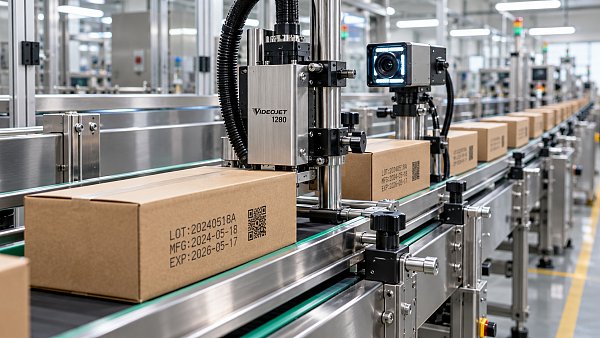
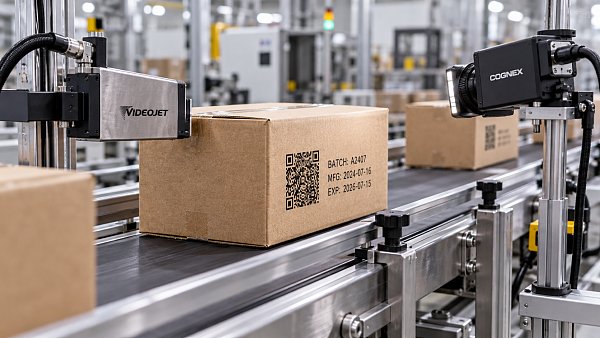
How Does Variable Data Printing for Cartons Improve Traceability?
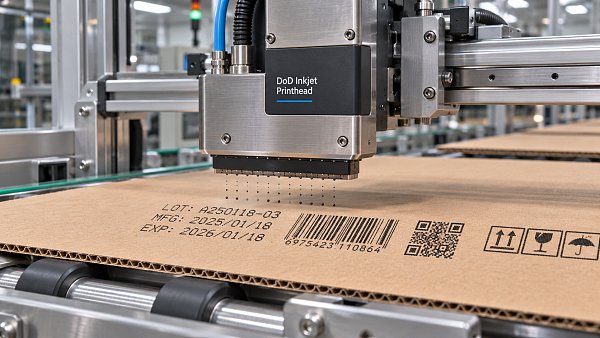
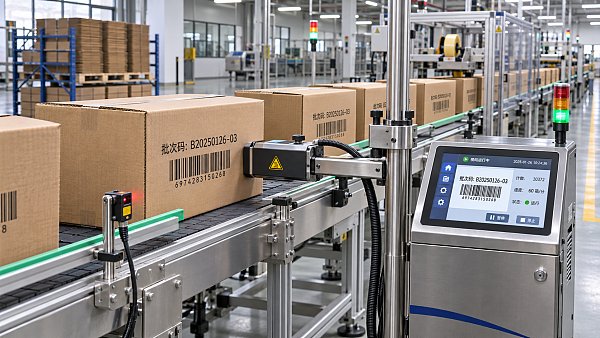
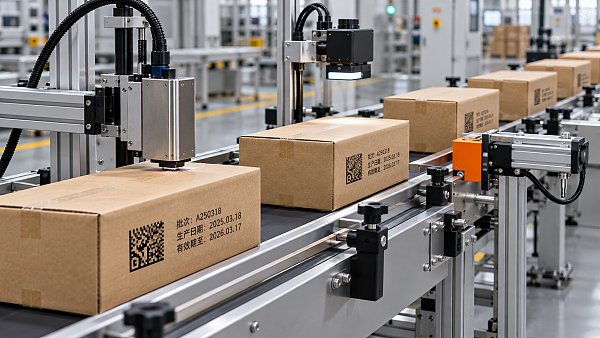
Variable data printing for cartons improves traceability by giving each carton a readable link to the records needed to investigate a quality problem: what was packed, which production lot it came from, when and where it was processed, and where it was shipped. That link can support faster stock isolation and more precise recall decisions, provided the printed information matches the actual contents and the associated records remain accessible.
For quality and safety managers, the benefit depends on three connected controls: correct data entering the printer, inspection that confirms what appears on the carton, and records that follow the carton through packing and distribution. A clearly printed code can still contain the wrong batch. A unique serial number can still lead to an incomplete record. Traceability improves when the complete chain works at production speed, including during changeovers, stoppages, and rework.
Choose the traceability detail the investigation will need
The first decision is how narrowly the business needs to identify affected stock. Batch-level printing connects cartons to a shared production lot. Serialization assigns a distinct identity to each carton. Both can support traceability, but they answer different questions and require different levels of data control.
Batch identification may be sufficient when quality decisions apply to an entire production lot and distribution records reliably identify its destinations. For example, if a confirmed material issue affects all product from one batch, a batch code can help locate the relevant inventory without giving every carton its own identity.
Individual identifiers become useful when cartons from the same batch follow different routes, receive different handling, or need separate status records. A serial number can help distinguish a carton released for shipment from one rejected during inspection. It can also support a record of which cartons entered a particular shipping case or pallet.
Serialization alone does not justify a narrower recall. The investigation must establish why particular units are affected, and records must support that boundary. If an ingredient problem applies to the whole batch, unique carton identities may improve stock reconciliation while leaving the recall scope unchanged.
Before specifying code content, define the questions an investigation must answer:
- Which product, batch, and packaging version does this carton contain?
- Which production or packing records apply to it?
- Was it accepted, rejected, reworked, or placed on hold?
- Which shipment or destination received it?
These questions determine which information belongs directly on the carton and which can remain in a linked system. Human-readable batch details help warehouse and quality staff work during scanner or network failures. A machine-readable identifier supports reliable data capture. Trying to print the entire production history can make the mark harder to fit, protect, and read.
Connect the carton identity to the actual packing event
A carton becomes useful evidence only when its identity is associated with the correct contents. This distinction matters when packaging is printed before filling or packing. At that stage, the code may identify an empty carton or a packaging production order. It does not yet prove which product was subsequently packed inside.
The packing operation must establish that association through a controlled process. Depending on the line, this may involve scanning a preprinted identifier, applying variable information during packing, or linking the active print job to the approved product and batch record. Where a packaging converter and brand owner operate separate systems, responsibilities for assigning identifiers and recording their use need to be explicit.
A practical information flow is: approved production data enters the coding system; the printer marks the carton; inspection checks the result; accepted cartons receive a recorded packing status; and later scans associate them with cases, pallets, or shipments. Each transition needs a defined response when information is missing or inconsistent.
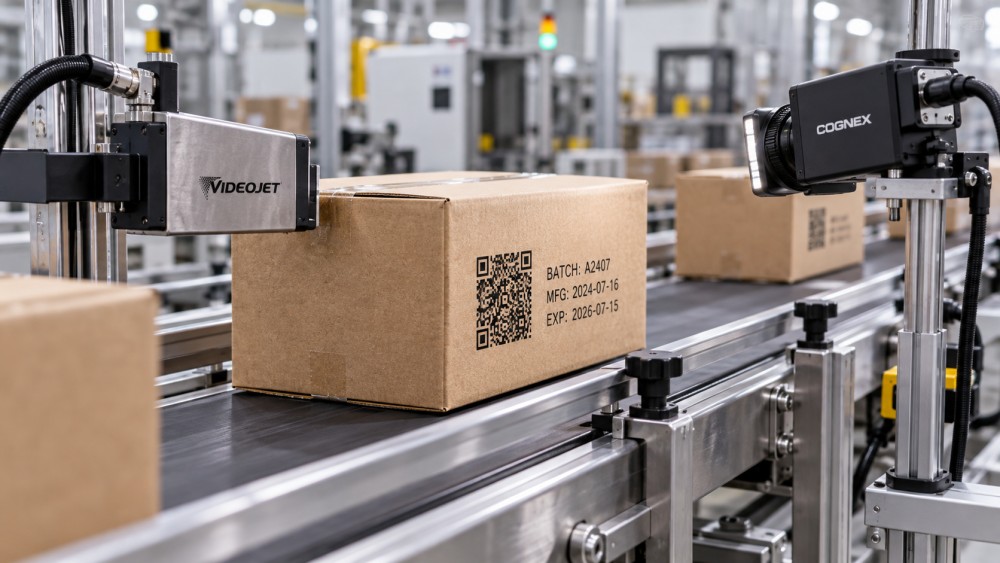
Job setup is an important control point. Operators should select an approved job or receive authorized production data through a controlled interface. Manually typing batch numbers, dates, and product references creates opportunities for transposition and reuse of information from the previous run. Where manual entry remains necessary, independent checks and restricted field formats can reduce those risks.
Changeovers require more than loading a new print layout. The line must clear cartons from the previous job, activate the correct data, and confirm that downstream handling follows the new order. Cartons held in conveyors, buffers, or packing stations can otherwise cross a batch boundary even when the printer changes correctly.
The system also needs rules for uncertain events. If a carton jams after printing, its identifier should not automatically become available for another carton. If a mark must be replaced, the process should control the original identity and preserve the relationship between the original and replacement records. Uncontrolled reprinting can create two physical cartons with the same identity.
Traceability records should distinguish identifiers generated, printed, accepted, rejected, and released. Comparing these counts helps expose gaps, but matching totals alone does not prove accuracy: one missing identifier and one duplicate can cancel each other numerically. Sequence checks, duplicate detection, and recorded status transitions provide stronger evidence.
Inspect code content as well as readability
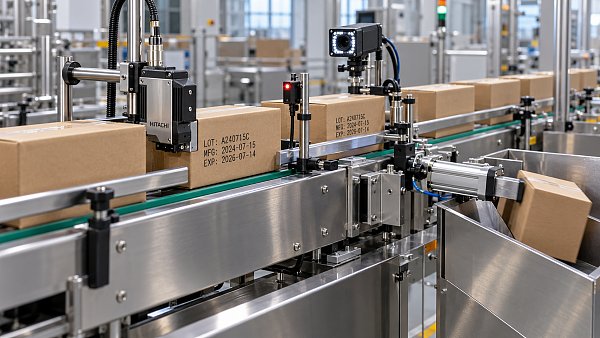
Inline vision inspection helps prevent defective marks from moving downstream, but the inspection specification must match the traceability objective. Detecting a dark patch in the expected location confirms very little. Decoding a barcode confirms that the camera can read it under those conditions. Comparing the decoded content with the authorized job data establishes whether the mark contains the expected information.
Human-readable text needs equivalent attention. Optical character recognition can extract printed characters, while character verification checks them against expected content. The application should define which fields require comparison and what happens when a character is missing, ambiguous, or incorrect. A barcode and its accompanying batch text should also agree where they represent the same information.
Barcode grading provides a structured assessment of symbol quality under defined conditions. It addresses a different question from a successful decode by one production camera. The required symbology, data structure, and verification criteria should follow the application and customer requirements; a generic claim that a system “reads barcodes” leaves too much unresolved.
Carton materials and handling affect that result. Brown corrugated board, coated folding carton stock, varnished areas, and recycled surfaces can present different contrast and ink interaction conditions. Flutes, creases, dust, surface damage, and variation in carton position can further affect marking or camera performance. Code placement should avoid areas likely to fold, scuff, become obscured, or disappear under a shipping label.
Printer selection therefore needs trials with the intended board, artwork, ink or marking process, code dimensions, and line conditions. A sample produced slowly on a flat sheet does not establish performance on moving cartons. Where inks need drying or curing, downstream contact must not smear the mark before it becomes stable.
Inspection also needs to control disposition. If a camera detects a wrong or unreadable code, the line must reliably remove or contain the affected carton. Reject confirmation, reject-bin management, and a defined stop condition help prevent detected defects from returning to accepted production. A record of an inspection failure is insufficient if the physical carton continues toward shipment.
Quality teams should assess false acceptance and false rejection separately. False acceptance allows traceability defects through. Excessive false rejection creates waste and may encourage operators to bypass inspection. Trials should include deliberately wrong data, missing marks, damaged codes, and position variation so the team can assess the complete detection and containment response.
Carry the identity into warehouse and recall decisions
Printing and inspecting a code establishes a controlled identity at one point in production. Traceability beyond that point depends on capturing subsequent events. If cartons enter a warehouse without any recorded connection to inventory locations or shipments, an investigator may identify their manufacturing origin but still struggle to find them.
For individually coded cartons, aggregation can connect carton identities to a case or pallet identifier. Scanning the parent identifier then retrieves the recorded contents, reducing the need to scan every carton during later handling. This works only while the physical contents match the recorded relationship.
Opening a case, splitting a pallet, or replacing a rejected carton changes that relationship. The warehouse process must update it or require the affected units to be scanned again. Otherwise, an apparently complete shipment record can point to cartons that were removed before dispatch.
Batch-level systems need the same operational discipline, even without individual carton identities. Mixed-batch pallets, partial shipments, returns, and repacking can weaken the connection between production and destination records. Variable printing improves identification, but it cannot recover movements that nobody recorded.
Consider a suspected packing-line defect associated with a defined production interval. Investigators may be able to use carton identifiers, accepted production events, and shipment records to locate potentially affected stock. However, the boundaries must account for cartons already in transit between stations, buffered product, clock differences, and any material carried across the interval. A timestamp supports the investigation; it does not independently establish a safe exclusion boundary.
The same caution applies to product authenticity. A serial number can help reveal duplicate scans or unexpected distribution activity when those events are captured and analyzed. A visible code can also be copied. Printing unique identifiers, by itself, does not prove that a carton or its contents are authentic.
Prove retrieval and containment before extending the rollout
A useful pilot should demonstrate that quality staff can move from a physical carton to its production and distribution records, and from a suspect production record back to affected inventory. This two-way retrieval test reveals weaknesses that a printer acceptance demonstration may miss.
Use the intended materials and realistic operating conditions, including normal production speed, changeovers, restarts, rework, and interrupted data connections. The required response to a network outage depends on the system design: controlled local operation may be possible if identifier allocation and later synchronization remain reliable. Otherwise, the line needs a hold or stop rule that prevents unrecorded production from being released.
Measure the results that affect quality decisions: incorrect or unreadable marks escaping inspection, duplicate identities, successful rejection, completeness of packing and shipment links, and time needed to retrieve records. Retention periods, access permissions, backups, and change histories should support the organization’s applicable obligations and investigation needs.
The strongest acceptance exercise starts with a carton selected from finished stock. The quality team should be able to establish its identity, confirm the associated product and batch, see its disposition, and locate the relevant shipment history. Then reverse the exercise using a suspect batch or production interval. If the team can identify affected stock and explain the evidence supporting its boundaries, variable data printing is contributing to dependable traceability.
Related News
 How Do Drop on Demand Inkjet Printers Control Ink Droplets?Discover how Drop on Demand Inkjet Printers control droplets through precise firing, ink formulation, and substrate handling for sharper codes and graphics.Machine Vision & Coding Fellow
 What Affects the Price of a Carton Coding Machine?Carton coding machine price depends on printing technology, speed, automation, and running costs. Discover how to compare quotes and choose the best value for your production line.Machine Vision & Coding Fellow
 How to Choose a Variable Data Printing Machine for PackagingChoose the right variable data printing machine for packaging. Compare material compatibility, speed, data control, and inspection to reduce waste and make a confident investment.Machine Vision & Coding Fellow
 How Can an Online TIJ Printer System Prevent Missing Batch Codes?Discover how an online TIJ printer system helps prevent missing batch codes with reliable triggers, vision inspection, and verified rejection. Reduce rework and protect traceability.Machine Vision & Coding Fellow
 Industrial Inkjet Printer Market Forecast to Reach $9.2 Billion by 2035Industrial inkjet printer market forecast: $9.2 billion by 2035. Explore how packaging traceability, automation, and CIJ and TIJ technologies could shape equipment investment.Machine Vision & Coding Fellow
 How Does Variable Data Printing for Cartons Improve Traceability?Discover how variable data printing for cartons improves traceability with verified codes and linked records to help locate affected stock and support faster recall decisions.Machine Vision & Coding Fellow