What Does Vision Sensor Price Reveal About Inspection System Costs?
What Does Vision Sensor Price Reveal About Inspection System Costs?
A vision sensor quote can look deceptively simple: camera, lens, lighting, controller, software, and a price. In a commercial printing or corrugated packaging project, however, the vision sensor price is rarely just the cost of a device. It is often an early signal of what the supplier believes the inspection task actually requires—and what risks may still be sitting outside the quotation.
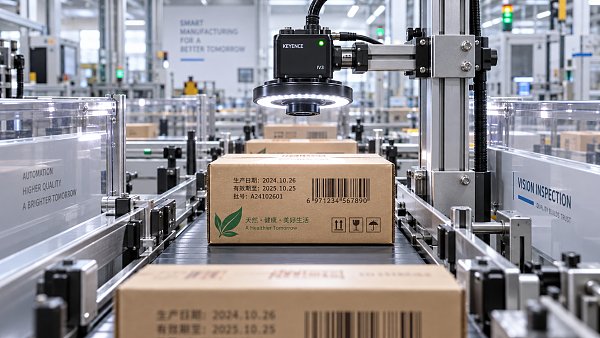
That distinction matters when a plant is approving capital expenditure for barcode verification, print defect detection, code inspection, registration monitoring, glue presence checks, carton orientation checks, or traceability control. A low sensor price may be appropriate for a straightforward presence-or-absence application. It may also indicate that the quote excludes the harder parts of the job: stable lighting, mechanical mounting, line-speed synchronization, reject handling, recipe management, data storage, or commissioning on difficult substrates.
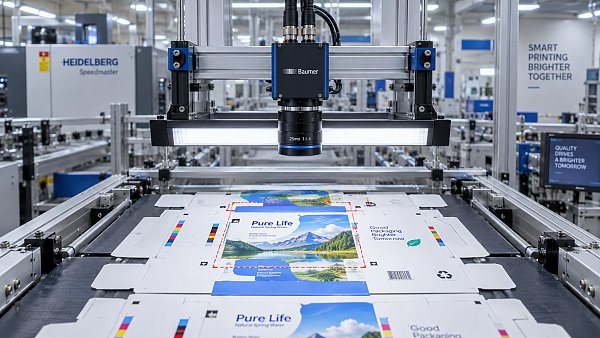
In packaging production, inspection failures are rarely caused by the camera alone. A carton may vary in gloss, board texture, flute profile, print coverage, varnish, foil, embossing, or position on the conveyor. On a flexographic press, ink density shifts and registration movement can change what the system sees. On a folder gluer, a product may accelerate, skew slightly, or vibrate before reaching the inspection point. The real investment decision is therefore not “What is the cheapest sensor?” but “What level of inspection reliability can this system deliver under normal production conditions?”
The Sensor Price Is Only One Layer of the Inspection Budget
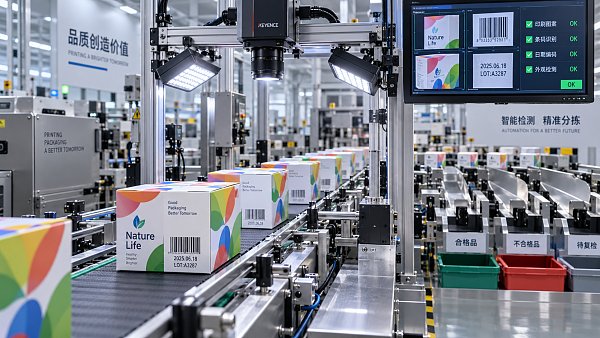
A vision sensor is typically a compact, application-focused device with integrated image processing. It may be well suited to checking a printed mark, label position, cap presence, carton count, color zone, or basic code pattern. A more complex machine-vision system may use separate cameras, lighting, industrial PCs, configurable software, encoders, reject controls, and plant-network connectivity. These categories can overlap, but their cost structures are different.
When comparing quotations, the sensor itself may represent only part of the installed cost. The remaining spend can include electrical work, brackets, guarding changes, conveyor modifications, encoder integration, air supply for reject devices, PLC communication, software configuration, sample testing, operator training, and acceptance support. If inspection must be installed on an existing die-cutter, folder gluer, flexo folder gluer, digital press, or end-of-line conveyor, access and mechanical constraints can add more cost than the imaging hardware.
This is why two suppliers can present very different vision sensor prices for what appears to be the same requirement. One may be quoting a component. Another may be pricing a working inspection station with responsibility for detection logic, line integration, and rejection performance. Neither approach is automatically wrong, but they should not be evaluated as equivalent purchases.
Why Packaging Applications Make Price Comparisons Difficult
Packaging plants do not inspect laboratory samples. They inspect moving products, often with frequent SKU changes and variable material conditions. Corrugated board can introduce shadows, uneven surfaces, warp, and changing print contrast. Folding cartons may include metallic foil, spot UV, embossing, windows, or dark coatings that react differently under illumination. A code that is visually obvious to an operator may still be difficult for a camera to read consistently if its contrast changes from batch to batch.
The same applies to speed. A vision sensor that performs well during a demonstration can become unreliable when installed on a production line with vibration, sheet bounce, unstable gaps, or variable encoder timing. In high-speed corrugated converting, the inspection window may be short. In digital print workflows, the challenge may be less about speed and more about managing frequent artwork changes without creating recipe errors. A finance review should ask whether the quoted system has been designed around the actual production constraint, not a generic application description.
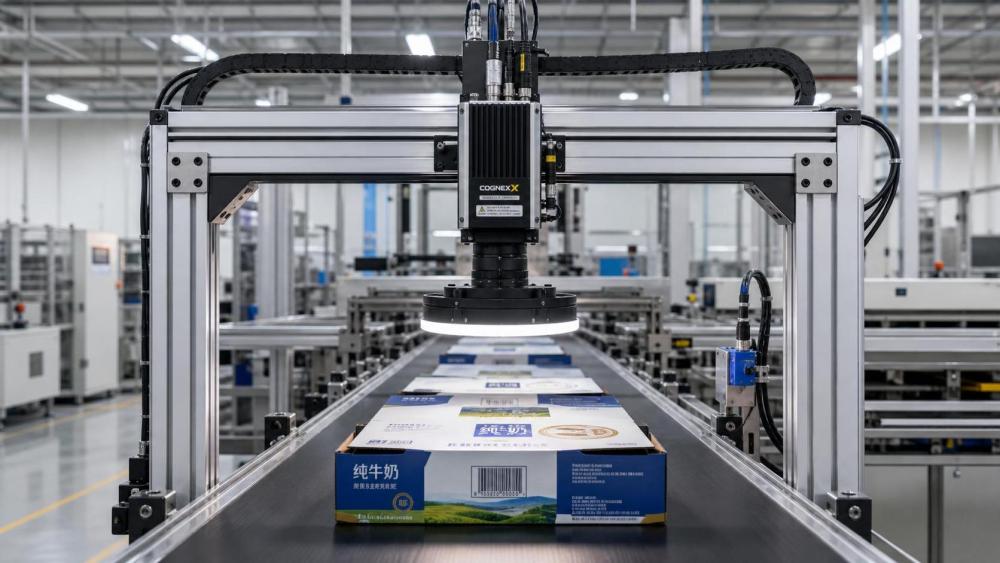
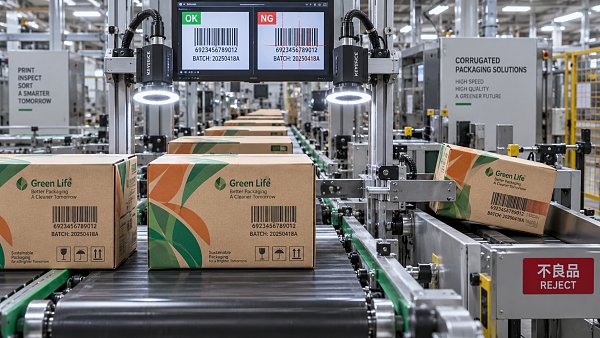
There is also a practical distinction between detecting a defect and making a usable decision. A system may identify a missing barcode, but if the reject mechanism is not synchronized, the bad carton may continue into packing. It may flag a suspected color defect, but if no one can quickly review the image or identify the affected batch, the plant may still need to hold a large quantity of finished goods. Inspection hardware has value only when it connects to an operational response.
The Cost Drivers Hidden Behind a Vision Sensor Quote
Resolution is a visible cost driver, but it should not be specified in isolation. A higher-resolution camera can capture smaller details or a wider field of view, yet it may require more processing power, more careful lighting, and more demanding image management. If the objective is to confirm that a glue line exists, a modest system may be enough. If the objective is to inspect small printed codes across several carton positions at production speed, the requirements change considerably.
Lighting is often underestimated. In printed packaging, lighting determines whether a system sees the intended feature or sees glare, texture, and surface noise. Backlighting, dome lighting, angled lighting, polarized arrangements, or carefully positioned LED illumination may be needed depending on the application. A quote that lists only a camera and sensor without a defined lighting approach deserves scrutiny. The lowest equipment price can become expensive after repeated adjustments, extra fixtures, and lost commissioning time.
Then comes software. Basic sensor configuration may be handled through a vendor interface, while broader inspection systems may require recipe creation for different jobs, tolerance setting, image archives, user permissions, alarm history, and communication with manufacturing execution or production data systems. Plants with short runs and frequent changeovers should pay close attention here. An economical system that requires an experienced technician to reset it for every job may not remain economical for long.
Integration responsibility is another major commercial issue. Does the machine builder provide the inspection station? Is the vision supplier responsible for performance? Does the plant’s automation contractor handle PLC signals and reject logic? When these boundaries are vague, the initial vision sensor price can look attractive because essential engineering has been left unpriced. Later, each party may reasonably state that a particular fault falls outside its scope.
What a Finance Review Should Measure Beyond Purchase Price
The most useful financial model does not need invented precision. It needs the right cost categories. Start with the direct installed cost: hardware, software, integration, commissioning, training, and any necessary mechanical or electrical modifications. Then consider recurring cost: maintenance support, replacement lighting, spare cameras or lenses, software support arrangements, operator time, and the internal effort required to maintain inspection recipes.
The risk side deserves equal attention. In commercial printing and carton converting, a missed defect can lead to rework, product holds, rejected shipments, chargebacks, brand complaints, or a difficult traceability investigation. The exact exposure varies by product and customer agreement, so it should be assessed using the plant’s own quality records rather than generic industry claims. Still, a simple question is revealing: what is the likely cost if one defective batch reaches the next stage or the customer?
False rejects also have a cost. An inspection system that rejects acceptable cartons because it cannot handle normal print or board variation can create waste, disrupt output, and erode operator trust. In practice, operators may bypass a system they believe produces nuisance alarms. A cheaper sensor that is overly sensitive in real production can be more damaging than a more capable system with stable detection logic.
This leads to a more balanced approval question: not “Does this system find every possible defect?” but “Does it reliably control the defects that matter, at the required operating speed, without generating unmanageable false rejects?” That is a production question, a quality question, and a cost question at once.
Ask for an Application Boundary, Not Just a Specification Sheet
A specification sheet can confirm camera resolution, field of view, communication protocol, enclosure rating, or available inspection tools. It cannot by itself confirm that the system will identify a light print defect on a coated folding carton, distinguish a real registration issue from normal sheet movement, or inspect a code on irregular corrugated board. Those outcomes depend on application setup.
Before approving a system, request a written application boundary. It should define the products, material types, inspection points, line conditions, target defects, expected product presentation, required interfaces, and handling of failed items. If the supplier has tested samples, the scope should state which samples were used and what conditions were represented. This is not unnecessary paperwork. It reduces the chance that “inspection” means one thing to the buyer and another to the integrator.
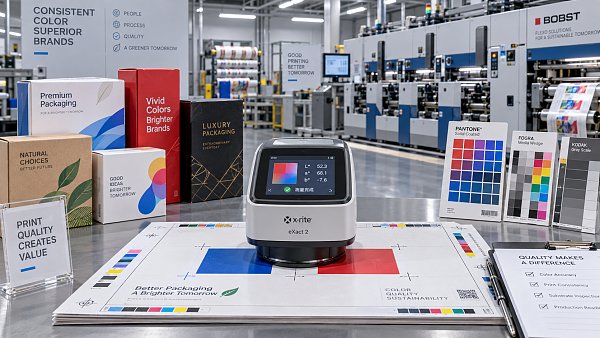
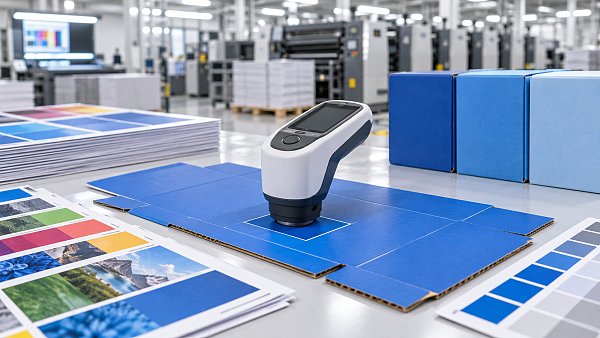
It is also sensible to separate critical defects from desirable inspection features. A pharmaceutical carton workflow may prioritize code integrity and artwork accuracy. A corrugated shipping case operation may focus on print presence, barcode readability, flap position, or mixed-product prevention. A premium consumer package may require visual checks around foil, color, or decorative finishing. Trying to make one low-cost sensor handle every task can create an unreliable compromise.
When the Lowest Vision Sensor Price Is the Right Choice
There are situations where a lower-cost vision sensor is entirely sensible. A stable product format, controlled lighting environment, single inspection point, modest line speed, and clear contrast between pass and fail conditions can support a straightforward solution. For example, checking the presence of a printed mark or confirming carton orientation may not require a large inspection platform if the product is consistently presented.
The mistake is not buying an affordable sensor. The mistake is treating an affordable sensor as proof that the whole inspection problem has been solved. If the application later expands to include multiple artwork versions, customer-specific codes, quality reporting, reject verification, or factory-wide traceability, the initial installation may need significant redesign.
For this reason, CPCS approaches inspection equipment as part of a wider packaging production system. Vision inspection connects to printing quality, converting accuracy, coding and traceability, operator workflows, and end-of-line control. The equipment decision should reflect that connection, especially where downtime, material waste, and customer claims have a larger financial impact than the sensor itself.
A Better Way to Compare Competing Offers
Put competing proposals on the same basis before comparing price. Confirm whether each supplier includes imaging hardware, lighting, mounting, wiring, encoder input, PLC integration, reject confirmation, recipe setup, installation, commissioning, training, acceptance testing, and post-startup support. If one proposal excludes these items, its lower price may simply reflect a narrower scope.
Also ask what happens when the line changes. Can operators select recipes securely? Can the system log defects by order or batch? Is remote support available where permitted by the plant’s IT policies? Are replacement components readily obtainable? Is the inspection solution tied to one machine, or can it be adapted if the production layout changes? These questions are less glamorous than camera specifications, but they often determine lifecycle cost.
A vision sensor price reveals the true cost of an inspection system only when it is read in context. It reflects the level of imaging capability, but it can also reveal what has not yet been included: difficult material conditions, engineering ownership, software depth, reject handling, and long-term support. The best approval decision is usually the one that clearly defines the defect risk being controlled, the operating conditions the system must survive, and the full cost of keeping that control in place.
Related News
 How to Select an Area Scan Camera for Reliable Print InspectionChoose an area scan camera for print inspection with confidence. Learn how resolution, lighting, speed, and testing affect defect detection—and make a smarter investment.Machine Vision & Coding Fellow
 How to Build a Reliable Compact Vision Sensor Inspection SystemBuild a reliable compact vision sensor inspection system with proven guidance on lighting, triggering, defect detection, and production-ready quality control.Machine Vision & Coding Fellow
 How High Accuracy Spectrophotometers Improve Print Color Controlhigh accuracy spectrophotometers help print and packaging teams detect color drift early, reduce waste, improve approvals, and protect brand consistency across every production run.Machine Vision & Coding Fellow
 How Spectrophotometers for Color Matching Improve Print ConsistencySpectrophotometers for color matching help printers control Delta E, reduce waste, and deliver reliable brand color across every press run.Machine Vision & Coding Fellow
 How Print Inspection Systems Prevent Defects Before ShipmentPrint Inspection Systems help detect print, barcode, color, and coding defects in real time—improving traceability, reducing waste, and preventing costly shipment failures.Machine Vision & Coding Fellow
 Smart Cameras for Inspection That Catch Print Defects in Real TimeSmart camera for inspection solutions catch print defects in real time, verify codes, reduce false rejects, and strengthen packaging quality control.Machine Vision & Coding Fellow