Selecting Color Inspection Systems for Brand-Critical Print Consistency
Selecting Color Inspection Systems for Brand-Critical Print Consistency
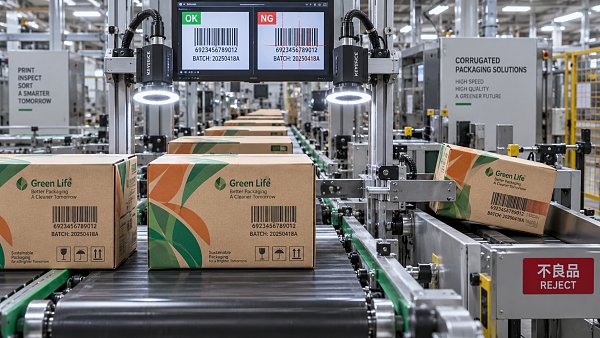
In commercial printing and corrugated packaging, color inspection is rarely a “nice to have.” It sits closer to risk control. When a shelf-ready carton or pharma secondary pack drifts outside brand tolerance, the issue is not only visual. It can become a rejection, a complaint, a reprint, or a line stoppage that eats into OEE. That is why Color Inspection Systems are increasingly being treated as part of production strategy, not just QA hardware.
For procurement teams, the difficult part is that “better inspection” does not always mean “better fit.” A system that looks impressive in a demo may still struggle with the real conditions of a flexo line, a corrugated board run, or a folder-gluer downstream of changing substrate behavior. The right choice depends on what you need to catch, where you need to catch it, and how much disruption the plant can tolerate during installation and changeover.
The first question is not accuracy. It is what kind of color problem you actually have.
Many procurement conversations start with resolution, camera speed, or AI detection claims. Those matter, but they are not the starting point. In practice, plants usually face a mix of three color-related problems: gradual drift, abrupt mismatch, and repeatability across jobs. Drift is common when ink, substrate, humidity, or press speed changes over the shift. Abrupt mismatch tends to show up after setup, after cleaning, or when the operator changes material lots. Repeatability is the hardest one, because it is less about one bad run and more about whether the same brand color can be held across multiple orders, machines, or sites.
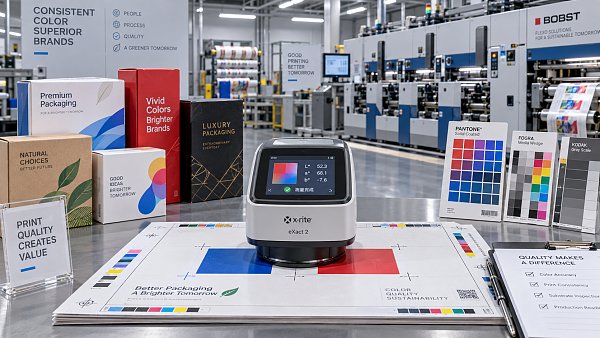
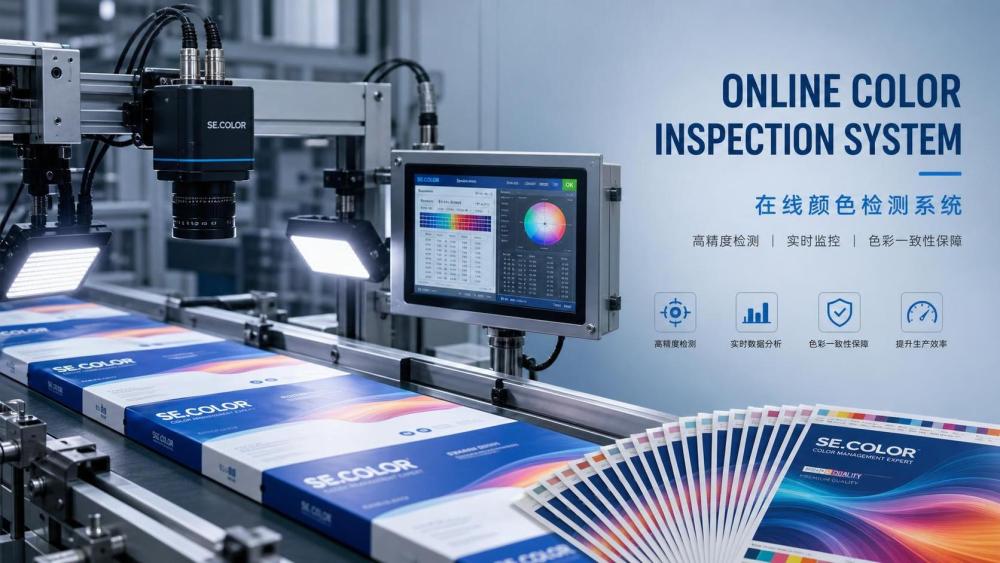
That distinction matters because not every Color Inspection Systems platform is built for the same job. Some are strong at spotting visible defects on the web. Others are better at closed-loop color comparison against a master reference. Some are useful mainly for alerting operators early. Others are designed to feed automatic correction logic into the press. If the plant’s real pain is setup spoilage, the system needs fast stabilization and clear operator guidance. If the pain is customer-brand inconsistency, reference management and repeatable color measurement become more important than simple defect detection.
Match the inspection method to the production environment
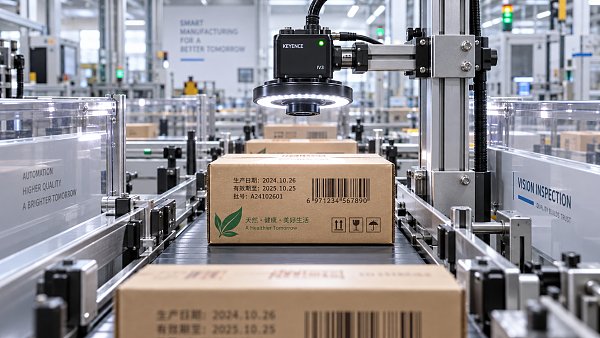
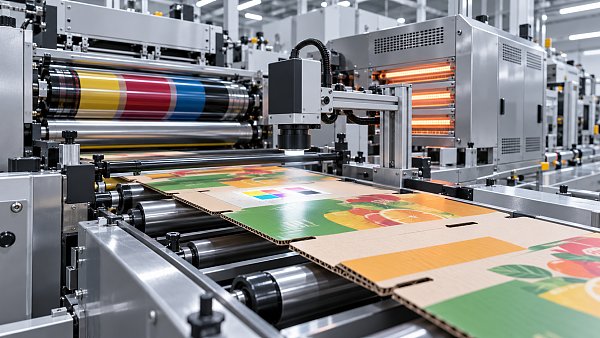
In a high-speed flexo line, especially on packaging work, inspection has to keep up with motion, ink variability, and substrate texture. A system that performs well on coated board may behave differently on corrugated surfaces, where roughness and flute structure influence how color is perceived. That is one reason procurement should ask for application-specific demonstrations, not generic sample images. The question is not whether the camera can “see” color. It is whether it can interpret that color consistently under the lighting, substrate, and speed conditions of the actual press.
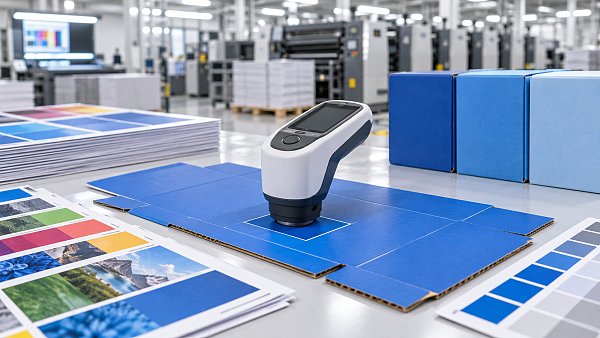
For corrugated board lines, color inspection can be more complicated than people expect. A print pattern that looks stable on a smooth sheet may shift visually once the board structure, moisture, or compression changes. On flexographic presses, the challenge often sits in maintaining brand tone while ink laydown fluctuates around anilox condition, viscosity, or doctor blade wear. On die-cut and converting lines, inspection may happen after printing, when the real risk is discovering that the carton lot no longer matches the approved master after materials have already been consumed.
What procurement teams should check beyond the brochure
The most useful evaluation questions are usually very practical.
- Can the system inspect at full line speed without creating blind spots during acceleration or register correction?
- Does it compare against a measured color standard, or only against stored images?
- How does it handle substrate variation, especially on corrugated or recycled board?
- Can operators understand alarms quickly, or does every warning require specialist interpretation?
- How easy is it to archive job data for complaints, customer audits, or internal traceability?
- What happens when the line is dirty, the lighting ages, or the plant changes inks and formats often?
These are not cosmetic issues. In real plants, a system can technically be “accurate” and still be a poor fit if it demands constant recalibration or creates too many false alarms. Procurement teams often underestimate the operational cost of alarm fatigue. If operators stop trusting the system, the hardware becomes expensive decoration. The better systems usually make the next action obvious: stop, adjust, mark, or continue. That sounds basic, but it is often the difference between a tool that supports OEE and one that slows the line down.
Closed-loop correction is useful, but only when the process can actually respond
A common mistake is assuming every Color Inspection Systems project should end with automatic correction. In some environments, that is sensible. In others, it adds complexity without real payoff. If the press or converting line already has unstable mechanics, weak housekeeping, or inconsistent setup discipline, closing the loop too early can simply automate noise. In that case, the better first step is visibility: catch deviation early, show the operator what changed, and reduce the amount of spoiled material before the process is trusted enough for tighter automation.
That is especially relevant for packaging buyers under pressure to reduce waste. Zero-defect targets sound straightforward, but the route to get there is usually incremental. Start with detection, then consistency, then correction. For some plants, the biggest gain comes from earlier fault discovery during setup. For others, it comes from using the inspection data to standardize press conditions across shifts or sites. The system should support that learning curve rather than force an all-or-nothing deployment.
Integration is where good projects are won or lost
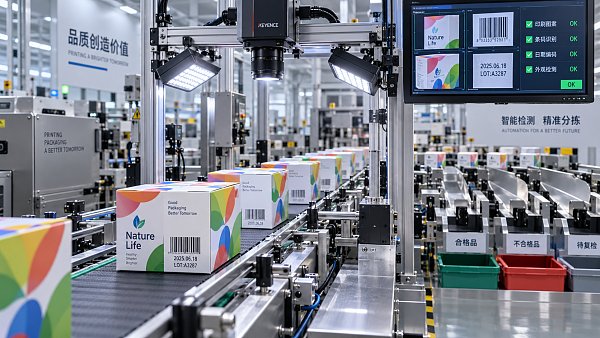
From a procurement point of view, the real comparison is not only between brands of inspection equipment. It is between workflows. A system that integrates cleanly with press controls, recipe management, reporting tools, and serialization or code inspection infrastructure will usually be easier to live with than one that runs as a separate island. For converters serving pharma, food, or other brand-critical segments, the inspection setup should also fit the plant’s traceability logic. If a complaint comes in, can the team retrieve the exact run conditions, operator actions, and image history without stitching together data from three systems?
The integration question becomes even more important in mixed operations, where corrugated printing, flexo, coding, and downstream finishing all touch the same order. A printing line may not be the only place where color quality is lost; glue contamination, varnish effects, or folding pressure can change how the final pack is perceived. Procurement teams that look only at the press stage sometimes miss the fact that the customer judges the finished carton, not the printed sheet.
A useful shortlist for final decision-making
Before signing off, it helps to ask one blunt question: what failure would hurt us most? If the answer is brand rejection, the system must be strong on stable color comparison and job-to-job repeatability. If the answer is waste, the system must help the team detect deviation early enough to save material. If the answer is audit readiness, traceability and data retrieval matter more than flashy detection modes.
A good selection process usually balances four things: detection quality, ease of use, integration effort, and long-term support. Procurement teams that focus on only one of these tend to regret it later. The cheapest system can become costly if it interrupts production. The most advanced system can also disappoint if operators cannot use it confidently on a busy shift.
In brand-critical packaging, consistency is not a single machine feature. It is the combined result of process discipline, inspection logic, and how quickly the plant can react when color starts to move. That is why the best Color Inspection Systems are the ones that fit the production reality instead of fighting it.
Related News
 How to Build a Reliable Compact Vision Sensor Inspection SystemBuild a reliable compact vision sensor inspection system with proven guidance on lighting, triggering, defect detection, and production-ready quality control.Machine Vision & Coding Fellow
 How High Accuracy Spectrophotometers Improve Print Color Controlhigh accuracy spectrophotometers help print and packaging teams detect color drift early, reduce waste, improve approvals, and protect brand consistency across every production run.Machine Vision & Coding Fellow
 How Spectrophotometers for Color Matching Improve Print ConsistencySpectrophotometers for color matching help printers control Delta E, reduce waste, and deliver reliable brand color across every press run.Machine Vision & Coding Fellow
 How Print Inspection Systems Prevent Defects Before ShipmentPrint Inspection Systems help detect print, barcode, color, and coding defects in real time—improving traceability, reducing waste, and preventing costly shipment failures.Machine Vision & Coding Fellow
 Smart Cameras for Inspection That Catch Print Defects in Real TimeSmart camera for inspection solutions catch print defects in real time, verify codes, reduce false rejects, and strengthen packaging quality control.Machine Vision & Coding Fellow
 How Color Sensors Support Reliable Inline Print Quality InspectionColor Sensors enable reliable inline print quality inspection, helping packaging plants detect color drift early, reduce waste, protect brand consistency, and improve traceability.Machine Vision & Coding Fellow