Choosing a sheet inspection systems supplier starts with one purchasing rule: require evidence that the complete system can detect your critical defects under realistic production conditions.
Camera specifications and purchase prices matter, but detection reliability, false rejects, integration responsibilities, and service response usually have greater influence on the investment’s operating value.
Your supplier should demonstrate performance on your substrates, print finishes, and typical jobs, including difficult materials and frequent changeovers, before you commit to a purchase.
This guide explains how to compare suppliers, structure acceptance testing, and evaluate ownership costs so your shortlist reflects production requirements and measurable commercial outcomes.
Define What Your Print Line Actually Needs to Inspect

Before requesting quotations, create an application brief with production, quality, maintenance, and purchasing teams. An incomplete specification makes competing proposals difficult to compare fairly.
Record sheet dimensions, substrate thickness, typical warp, printing processes, coatings, finishes, and operating speeds. Include the material and job combinations that regularly cause inspection difficulties.
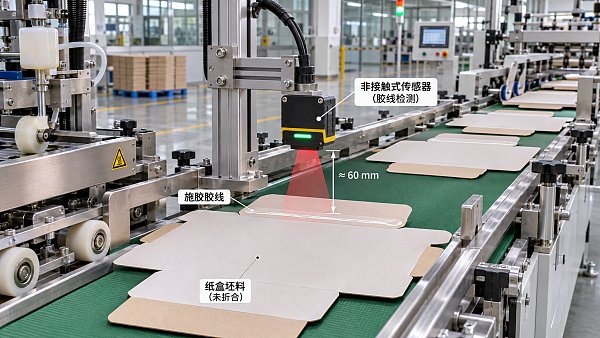
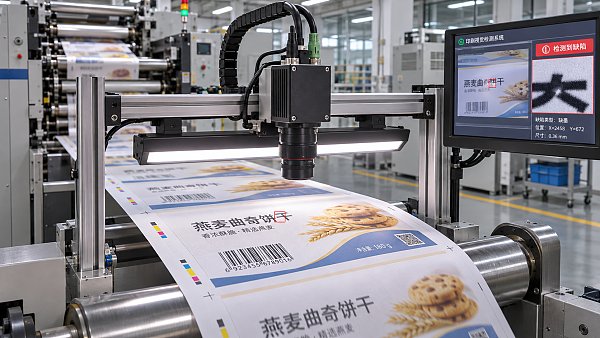
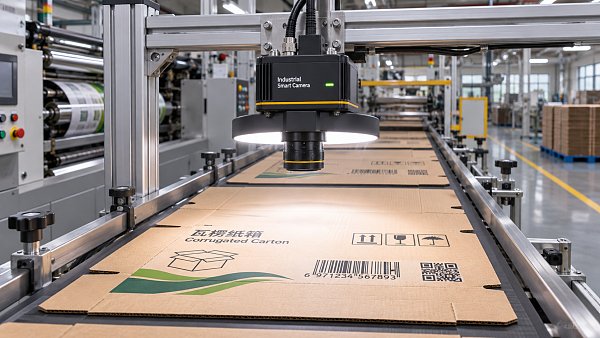
Distinguish among commercial print, folding cartons, and corrugated sheets. Surface texture, sheet movement, print variation, and transport stability create different imaging and handling requirements.
Next, identify critical defects: missing text, incorrect artwork, print spots, registration errors, unreadable codes, or substrate damage. Assign severity according to customer requirements and downstream consequences.
Specify inspection coverage carefully. A system checking one printed face may need additional cameras or stations to inspect reverse printing, edges, or selected structural features.
Also establish the inspection point. Inspection before finishing can prevent further processing waste, while inspection after finishing can reveal defects introduced by those operations.
Ask suppliers to state exclusions explicitly. Features hidden beneath overlaps, internal board defects, and conditions outside the camera’s view require separate methods or inspection locations.
Ask Suppliers to Prove Detection on Your Own Sheets
A polished demonstration proves little unless its conditions resemble your production. Send representative good sheets alongside known defective samples, including challenging finishes and borderline defects.
Include reflective foil, varnish, recycled stock, textured surfaces, and variable graphics where relevant. These conditions can expose weaknesses in lighting, image comparison, and sheet positioning.
Require testing at your intended production speed and sheet spacing. A successful slow demonstration does not establish performance when vibration, movement, or processing demand increases.
Ask how the proposed optics, lighting, exposure settings, and image processing support each required defect category. Camera resolution alone cannot establish reliable defect detection.
For small defects, request a demonstrated detection limit under stated conditions. Clarify whether that limit changes with contrast, location, substrate, speed, or printed background.
Check how the reference image is created and approved. A reference taken from an unverified production sheet can normalize an existing error across the job.
PDF comparison, approved reference sheets, and variable data verification solve different problems. Require the supplier to explain which method applies to each inspection task.
Barcode presence, decoding, data matching, and formal print quality grading are separate capabilities. Specify the required outcome and any applicable customer or verification standard.
For serialized or changing content, confirm how expected data reaches the system and how missing, duplicated, or incorrect values are identified and recorded for review.
Measure Escaped Defects and False Rejects Together
An escaped defect is a defective sheet accepted by the system. A false reject is an acceptable sheet incorrectly classified as defective during inspection.
Reducing sensitivity may lower false rejects while allowing more defects through. Increasing sensitivity can create unnecessary waste, so evaluate both outcomes using the same settings.
Agree on the denominator for every reported metric. Defect detection rate should reference known defective samples; false reject rate should reference independently verified acceptable sheets.
Review results by defect class and severity. A strong overall percentage can hide poor detection of small text errors or other commercially critical defects.
Include acceptable production variation in the test set. Normal color variation, sheet movement, and substrate texture should not automatically become reasons to reject saleable work.
Discuss repeatability across shifts and job changes. A system requiring constant specialist adjustment may deliver less practical value than its initial demonstration results suggest.
Small sample sets cannot prove extremely low escape rates. Use repeated trials and a sustained production run, with sample sizes appropriate to the claimed performance.
Confirm That Defective Sheets Will Be Controlled Correctly
Detection creates value only when the line responds correctly. Establish whether the system will reject, divert, mark, stop, or simply report a defective sheet.
For automatic rejection, verify sheet tracking from inspection to removal. Closely spaced defects, speed changes, stops, and restarts should remain traceable throughout that distance.
Ask how successful removal is confirmed and how rejected sheets are contained. Uncontrolled reject handling can allow defective material to return accidentally to production.
Require defined responses to camera faults, lost communication, blocked reject paths, and unavailable inspection. The correct response depends on product risk and agreed operating procedures.
Inspect mechanical integration details, including mounting space, transport stability, guarding, access, and utilities. Confirm that installation preserves safe operation and practical maintenance access.
Clarify responsibility among the inspection supplier, press manufacturer, and integrator. Assign ownership for control signals, machine modifications, commissioning, troubleshooting, and performance after installation is complete.
For retrofits, request a documented shutdown plan and recovery procedure. Production disruption, temporary operating restrictions, and commissioning support should appear in the commercial proposal.
Put Measurable Acceptance Criteria in the Purchase Contract
Convert supplier promises into an acceptance protocol before placing the order. Define test materials, speeds, settings, defect samples, responsibilities, and the evidence required for approval.
Use factory acceptance testing to verify the agreed configuration before shipment. Use site acceptance testing to confirm performance with the installed transport and production environment.
The two tests serve different purposes. Factory results cannot establish that sheet handling, rejection, or communication will work correctly after integration into your line.
Retain identified samples and record software versions, recipes, lighting settings, and operating conditions. This makes disagreements easier to investigate and corrective actions easier to verify.
Agree on retesting, remedies, and payment milestones for unmet requirements. Avoid accepting an unresolved performance issue solely because the equipment has arrived or started running.
Evaluate Service, Operator Workload, and Data Access
A technically capable supplier can still become a poor operating partner if support is slow or routine adjustments depend on unavailable specialists during production.
Ask where service engineers are based, which hours support covers, and how escalation works. Distinguish an initial response commitment from a promised restoration time.
Request availability and lead times for cameras, lighting, controllers, and other critical components. Clarify warranty exclusions, replacement procedures, and support for discontinued hardware or software.
Have your operators perform a job change during evaluation. They should create or load recipes, approve references, review defects, and recover from common interruptions.
Confirm training scope for operators, quality staff, and maintenance personnel. Include refresher options and clear instructions for cleaning, calibration, backup, and routine troubleshooting tasks.
Check report exports, image retention, access permissions, and backup ownership. If plant system integration is required, specify interfaces, supported data fields, and implementation responsibility.
For remote support, involve your IT team early. Agree on access approval, connection methods, update procedures, and recovery arrangements before these become commissioning obstacles.
Compare Total Ownership Cost Using the Same Assumptions
Ask every sheet inspection systems supplier to quote against the same specification. Separate included functions from optional modules, integration services, subscriptions, training, and acceptance support.
Model ownership costs over your normal investment period. Include installation downtime, maintenance labor, replacement lighting, software charges, calibration, spare parts, and expected support expenditure.
Estimate benefits from your own baseline: customer claims, sorting labor, spoilage, reprints, and downstream processing wasted on defective sheets. Keep overlapping savings categories separate.
Account for false rejects as a cost. Also include any extra setup time or speed restrictions needed to achieve the detection performance demonstrated during testing.
For illustration, annual benefits of $80,000 and added operating costs of $20,000 produce a $60,000 net annual benefit before financing, tax, or depreciation effects.
If the installed investment is $180,000, that scenario gives a simple three-year payback. These illustrative figures are assumptions, not a forecast for your plant.
Run a conservative case with lower savings and greater support needs. A decision that remains acceptable under realistic uncertainty is easier to defend internally.
Choose the Supplier With the Strongest Verified Fit
Apply mandatory technical requirements before scoring price or convenience. A supplier that cannot demonstrate critical detection and reliable defect control should not win through discounts.
For suppliers meeting those requirements, compare demonstrated performance, integration accountability, service capability, operator workload, and ownership cost. Check references using similar substrates and production conditions.
The best purchasing decision connects inspection performance to a defined production problem. Choose the supplier whose evidence, contractual commitments, and support arrangements match your line’s needs.