How to Choose a Pharmaceutical Carton Inspection Supplier
Choosing a pharmaceutical carton inspection supplier involves more than comparing equipment prices. Procurement teams must assess detection reliability, code verification, line integration, traceability, and supplier support.
The strongest choice is a supplier that proves performance on your cartons, documents the system appropriately, and supports reliable production after installation.
Start With the Inspection Risks Your Supplier Must Control

Before requesting quotations, identify where inspection is needed: during printing, after die-cutting, on a folder gluer, or on the pharmaceutical packaging line.
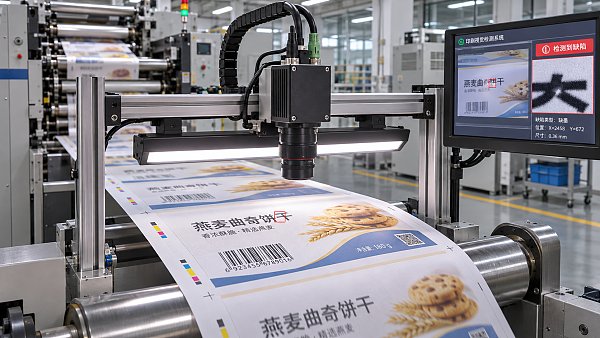
These locations present different risks. A sheet inspection system may find print defects before converting, while a packaging-line system may verify variable data immediately before use.
List the defects that could affect product identification, patient safety, regulatory compliance, or customer acceptance. Separate critical defects from cosmetic issues and define their consequences.
Typical priorities include incorrect artwork, missing or illegible text, unreadable barcodes, wrong product codes, color deviations, print contamination, and mixed cartons.
Also specify what the system will not be expected to inspect. For example, a print inspection camera does not automatically confirm carton glue integrity or leaflet presence.
Share representative carton samples, approved artwork, line layouts, operating speeds, and existing quality procedures. This gives suppliers a basis for proposing comparable solutions.
Can the System Detect Your Actual Defects at Production Speed?
A supplier demonstration should show detection performance on your substrates and artwork, not just on ideal samples supplied by the equipment manufacturer.
Request a documented trial using production-representative cartons, including difficult finishes such as varnish, metallic effects, embossed areas, and low-contrast text where applicable.
Provide known defective samples or agree on a controlled defect set. Include the smallest relevant defects, expected defect locations, and examples close to acceptance limits.
Check that the trial covers the full inspection area, including carton edges, glue flaps, and folded or obscured surfaces where these matter.
Run the test at the required sustained production speed, with representative spacing and normal variations in carton position. A slow demonstration cannot establish line performance.
Ask the supplier to report missed defects and false rejects separately. High sensitivity is less useful if acceptable cartons are consistently rejected or defects escape.
Agree on detection criteria before testing. For each defect type, define its size or characteristic, location, acceptance decision, and required response.
Record the number of good and defective samples tested, the number detected, and the repeatability of results. Small trials offer evidence, not guarantees of future performance.
Where possible, repeat tests across shifts, operators, and realistic lighting or material variation. Escalate unresolved limitations before approving a purchase.
What Text, Artwork, and Codes Must Be Verified?
Printed pharmaceutical cartons may carry fixed artwork, variable information, or both. Confirm which elements require presence checks, content verification, or formal quality grading.
Optical character recognition reads text for comparison with expected content. Optical character verification typically checks characters against an approved reference; supplier terminology and capabilities can vary.
Ask how the system handles small type, multiple languages, special characters, curved or embossed text, and contrast changes across different carton designs.
For artwork comparison, establish how approved files are imported, who authorizes reference images, and how revision changes are controlled between production runs.
A barcode reader confirms whether a code can be decoded. A verifier assesses specified print-quality attributes against an applicable standard using suitable calibrated equipment.
Determine whether your customer requires barcode decoding, grading, data-content checks, or all three. Ask which symbologies, grading standards, and reporting formats the system supports.
For serialized cartons, confirm how the system receives expected data, checks individual codes, handles duplicates, and communicates results to the serialization or line-management system.
Inspection alone does not establish full serialization compliance. Responsibilities for generating, commissioning, aggregating, reporting, and retaining serial-number data must be defined across connected systems.
How Will the Equipment Fit Your Production Line?
Review the proposed camera positions, lighting, product handling, encoder signals, reject mechanism, and available floor space with engineering and production teams.
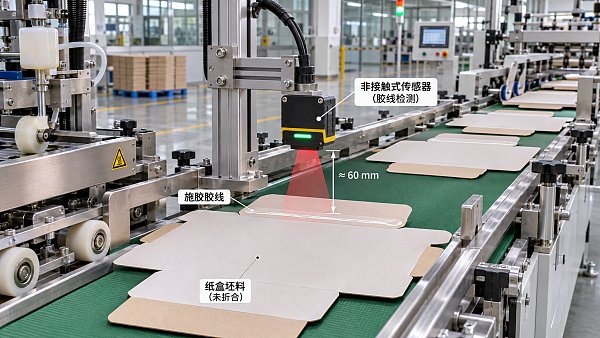
For folder-gluer installation, assess carton orientation, vibration, belt coverage, and access to printed panels. A camera cannot inspect information hidden by machine components.
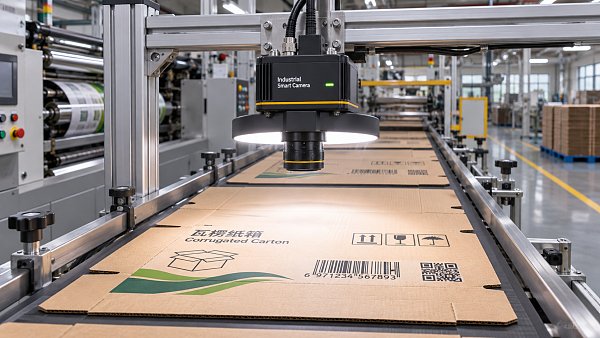
On packaging lines, check whether the system must inspect flat cartons, erected cartons, or both. Different orientations may require additional cameras or handling equipment.
Ask suppliers to demonstrate reliable tracking between the inspection point and the reject station, particularly when cartons are closely spaced or the line stops unexpectedly.
The reject system should remove the correct item and confirm removal where the risk assessment requires it. Define the response to reject-bin fullness or confirmation failure.
Agree on line behavior after a camera fault, lost tracking signal, communication failure, or power interruption. Decide when the line must stop or require intervention.
Review mechanical drawings, electrical requirements, network interfaces, and machine safety responsibilities before ordering. Include any third-party integration work in the project scope.
What Validation and Documentation Support Is Included?
Pharmaceutical applications often require documented evidence that equipment is fit for its intended use. The exact approach depends on product risk and the customer's quality system.
Ask whether the supplier can support user requirements, design review, factory acceptance testing, site acceptance testing, and installation and operational qualification activities.
Clarify which documents are standard, which require customization, and who writes and approves each deliverable. A document package is not the same as completed validation.
Define acceptance tests around actual requirements, including defect detection, reject confirmation, access controls, data handling, and recovery after faults.
Where electronic records or signatures are relevant, involve quality assurance in assessing applicable requirements, including 21 CFR Part 11 or EU GMP Annex 11 where appropriate.
Ask about user permissions, audit trails, time synchronization, record retention, backup, and restoration. Confirm how these features are configured and tested in your intended environment.
A supplier can provide technical features and evidence, but the regulated user remains responsible for determining applicability and demonstrating compliance within its own processes.
Can the Supplier Support Your Artwork and Changeover Process?
Frequent artwork changes make reference management a purchasing issue, not merely an operator preference. An incorrect reference can undermine an otherwise capable inspection system.
Examine how recipes are created, reviewed, approved, and locked. Confirm that operators can identify the active product, artwork revision, and inspection settings before production.
Ask how the system prevents unauthorized changes to tolerances or bypassed inspection zones. Sensitive settings should be restricted, recorded where required, and reviewed.
Measure changeover time during the trial, including reference loading, camera adjustment, verification, and first-article checks. Compare this with your real production schedule.
Check whether new carton formats require supplier intervention, additional programming, or paid support. Excessive dependence can delay short runs and urgent artwork updates.
How Should Procurement Compare Supplier Experience and Service?
Relevant experience means more than a general claim of pharmaceutical expertise. Ask for installations involving similar carton formats, line speeds, inspection tasks, and quality requirements.
Request references from comparable sites and discuss commissioning, detection performance, spare parts, and support after acceptance. Obtain permission before treating references as comparable evidence.
Identify who supplies the cameras, software, transport equipment, reject hardware, and validation support. A single quotation may still involve several organizations with different responsibilities.
Review local service coverage, support hours, escalation contacts, remote-access conditions, and typical response commitments. Confirm whether contractual terms include measurable remedies.
Ask about camera and lighting availability, critical spare parts, software support periods, cybersecurity updates, and compatibility with future operating-system changes.
Training should cover operators, maintenance technicians, and quality personnel. Include recipe management, fault recovery, verification checks, and procedures for suspected inspection failures.
What Is the Real Cost of Ownership?
Compare quotations over a consistent planning period rather than relying on equipment price alone. Request a clear breakdown of one-time and recurring charges.
Include cameras, lighting, transport modifications, reject devices, integration, software licenses, validation documentation, installation, training, and factory and site acceptance testing.
Estimate recurring costs for maintenance, calibration where applicable, spare parts, upgrades, cybersecurity support, consumables, and additional user or production-line licenses.
Operational costs matter too. False rejects consume material and investigation time, while difficult setup can reduce capacity and increase dependence on specialist staff.
Model expected benefits using your own baseline: current inspection labor, defect-related waste, rework, complaints, and downtime. Avoid treating every potential saving as guaranteed.
For a simple comparison, calculate annual net benefit as defensible annual savings minus recurring costs, then divide initial investment by that figure to estimate payback.
Use scenarios for uncertain defect rates, utilization, and service costs. Payback is only one factor; a critical quality risk may justify investment independently.
How Can Buyers Compare Quotations Fairly?
Issue the same requirements and sample set to shortlisted suppliers. Require responses against each criterion, including deviations, assumptions, exclusions, and evidence.
Use pass-or-fail gates for critical risks first: required defect detection, safe rejection, compatibility, essential documentation, and service coverage appropriate to your operation.
Then score the remaining options using weighted criteria agreed by procurement, quality, engineering, production, and information technology before commercial bids are reviewed.
For example, assign 30% to demonstrated inspection performance, 20% to integration and reject control, 20% to validation and data, 15% to service, and 15% to cost.
Adjust those weights to your project. A serialization-heavy line may need greater emphasis on data integration, while a multi-format printer may prioritize changeover performance.
Score evidence rather than promises. Give more weight to documented sample trials, a detailed integration design, and reference checks than to broad capability statements.
Before signing, put the agreed inspection scope, test conditions, acceptance criteria, responsibilities, delivery milestones, and treatment of unresolved defects into the contract.
Make the Final Decision
The right pharmaceutical carton inspection supplier demonstrates reliable performance on your actual cartons and shows how the complete inspection and rejection process will work.
Choose on documented evidence, integration readiness, validation support, service capability, and lifecycle cost. Align procurement, quality, and engineering before accepting equipment or releasing final payment.
Related News
 How Do Inline Glue Detection Systems Find Missing Glue?Discover how inline glue detection systems identify missing adhesive, prevent defective cartons from reaching customers, and support reliable quality control.Machine Vision & Coding Fellow
 How Does an Automatic Defect Detection System Inspect Print?Discover how an automatic defect detection system inspects print, identifies flaws, checks codes, and helps manufacturers improve quality control.Machine Vision & Coding Fellow
 How Can an AI Smart Camera Detect Defects in Printed Packaging?Discover how an AI smart camera detects printed packaging defects and what it takes to deliver reliable inspection at production speed.Machine Vision & Coding Fellow
 How to Choose a Pharmaceutical Carton Inspection SupplierChoose a pharmaceutical carton inspection supplier with confidence. Compare detection performance, integration, validation support, service, and lifecycle costs.Machine Vision & Coding Fellow
 How Color Inspection Systems Detect Print Color VariationsColor Inspection Systems detect print variations through imaging and measurement. Discover how references, tolerances, and setup improve quality control.Machine Vision & Coding Fellow
 How to Set Up an Inspection Camera for Print Quality ControlSet up an inspection camera for print quality control with practical tips on lighting, focus, triggers, and defect detection. Learn how to reduce false rejects and validate results at production speed.Machine Vision & Coding Fellow