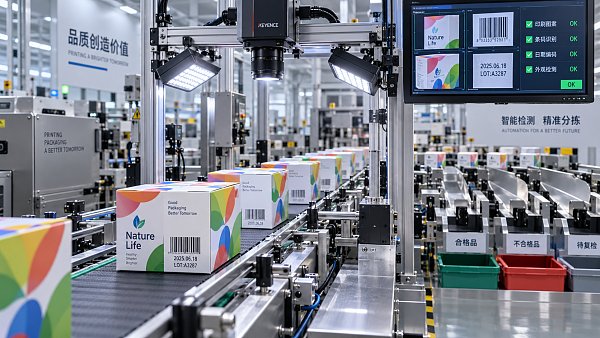
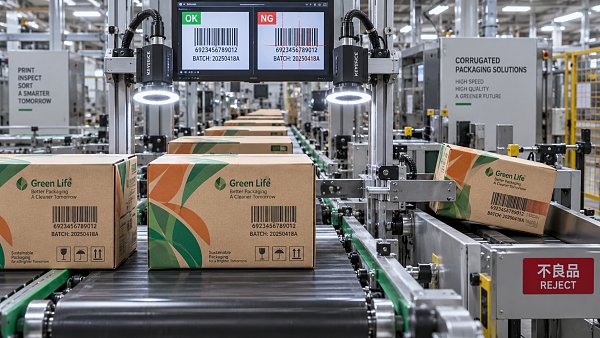
How Pharmaceutical Carton Inspection Systems Prevent Packaging Errors
A packaging error is rarely caused by one dramatic failure. More often, it begins with a small mismatch: the wrong artwork version reaches the line, a variable code is incomplete, a barcode prints with poor contrast, or a carton from a previous batch remains in the feeder. At production speed, these errors can move through folding, cartoning, aggregation, and shipment before they are noticed.
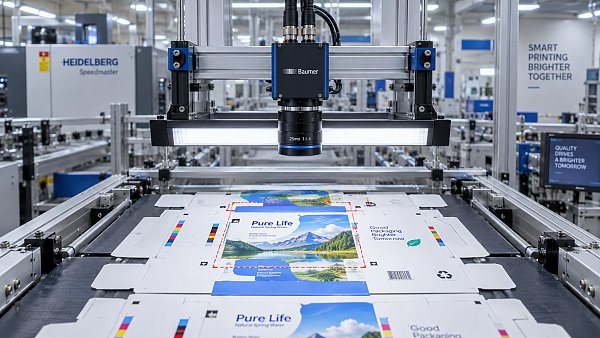
Pharmaceutical Carton Inspection Systems reduce this risk by checking every carton against defined acceptance criteria while it is still possible to reject, contain, and investigate the problem. The strongest systems do more than identify print defects. They connect artwork verification, code inspection, carton identification, reject control, and production records into a practical packaging error-prevention process.
The value is not simply that a camera can see defects faster than a person. It is that the inspection process can apply the same rules to every pack, preserve evidence of what was checked, and respond immediately when the line begins producing nonconforming cartons.
Which carton errors need to be controlled?
Pharmaceutical cartons carry information that must remain accurate throughout the life of a product. Printed text, dosage statements, batch information, expiry dates, serialization data, barcodes, braille, regulatory symbols, and language versions may all appear on the same carton. A carton can look acceptable at a glance while still containing an error that creates a serious distribution or patient-use risk.
Inspection requirements should therefore begin with a risk review of the carton, not with a generic camera specification. The following defects are common reasons to introduce automated inspection:
- Incorrect carton artwork, language panel, market version, or product name.
- Missing, unreadable, incomplete, or wrongly positioned batch and expiry codes.
- Barcode, DataMatrix, or serialized code failures that prevent reliable reading downstream.
- Print registration shifts, missing colors, smudging, streaks, or low-contrast variable data.
- Missing or incorrect braille, where braille content is part of the approved pack design.
- Carton mix-ups during changeover, including residual materials from a previous order.
- Damaged, poorly folded, improperly glued, or physically incomplete cartons.
Not every defect needs the same inspection method. A system designed only to read a printed date code may not reliably detect an incorrect market artwork. Likewise, an artwork comparison camera may identify a wrong printed panel but not confirm that a serialized code was successfully verified and recorded. The inspection scope must reflect the failure modes that matter at each station.
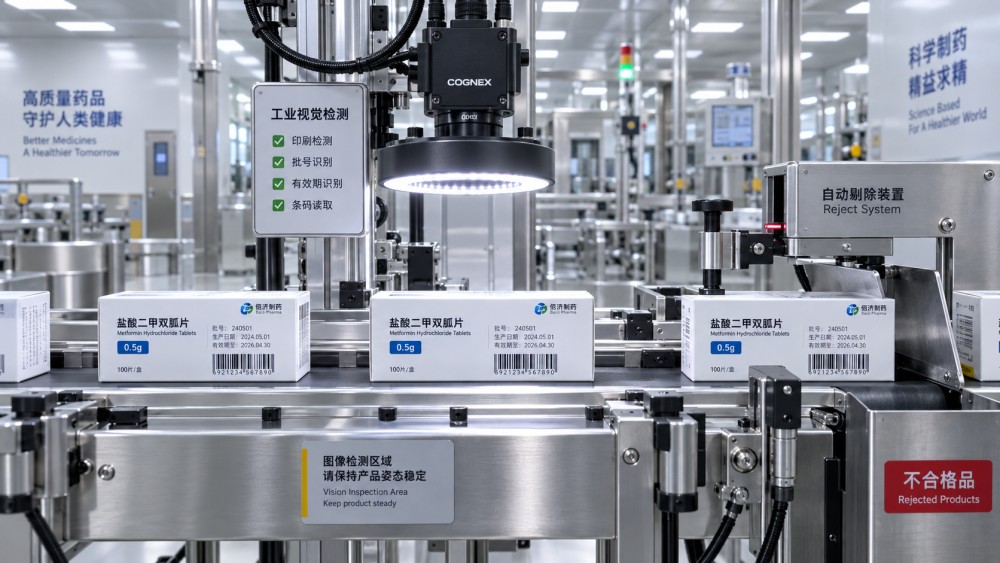
How inspection prevents an error from becoming a released batch issue
An effective carton inspection system works as a control loop rather than a passive monitoring tool. It captures an image, compares the carton with approved references and rules, makes an accept or reject decision, and confirms that rejected material is physically removed. The system should also create records that allow a production team to understand what happened, when it happened, and whether the issue was contained.
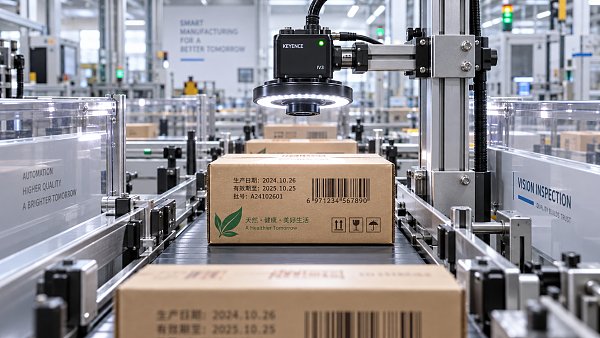
At the printing or coding stage, cameras can inspect fixed artwork elements and variable information in the same pass. Optical character recognition and optical character verification functions may be used to read the code and assess whether it conforms to the expected format and print quality. Barcode verification checks whether a machine-readable symbol can be decoded reliably, rather than merely confirming that a dark pattern exists on the carton.
The timing of that check matters. Detecting a poor code directly after printing limits the amount of affected work in progress. Finding the same defect at final packing may still prevent release, but it creates more rework, complicates reconciliation, and makes root-cause investigation harder.
At folding and gluing, inspection can confirm carton orientation, panel presence, glue pattern visibility where applicable, and finished-carton appearance. It can also identify carton-to-product mismatches in automated cartoning operations. A final inspection point near case packing or aggregation may provide an additional barrier, especially where codes, tamper-evident features, or line clearance risks require confirmation after multiple handling steps.
Inspection is only reliable when the reject process is reliable
A camera that detects a defect but cannot prove removal of the defective carton does not provide complete control. Reject handling is one of the most important and most overlooked parts of an inspection project.
The reject device must remove the identified carton at the correct moment, even when line speed, carton spacing, or product flow changes. The line should detect conditions such as a full reject bin, a blocked reject path, loss of compressed air where relevant, or a failure to confirm ejection. Depending on the risk assessment and line design, these events may require an alarm, a controlled stop, or another defined response.
Physical separation also matters after rejection. A loose bin beside the line creates avoidable mix-up risk if rejected cartons are not clearly controlled and reconciled. The inspection system should support the wider material-handling process: count accepted and rejected units, identify recurring defect patterns, and make it easier to account for all printed packaging components.
A common mistake is treating a reject count as proof of quality. A low reject count may indicate stable production, but it can also indicate that the inspection thresholds are too permissive, the reference image is wrong, the camera view is obstructed, or the system is inspecting only part of the required content. Review rejected samples and challenge tests remain essential.
Building the right inspection points into the packaging line
The best location for a vision inspection station depends on where an error can first be detected and where the line can still act on it. Adding cameras only at the end of the line often provides containment, but it does not always minimize waste or prevent a long run of incorrect cartons.
A line does not always need every inspection point. A stable, low-complexity carton with a single clearly printed code may be well controlled with focused inline inspection. A line handling frequent product changes, multiple artwork variants, several markets, or serialized cartons usually needs more deliberate controls at changeover, coding, and final-pack stages.
Approved references matter as much as camera resolution
Inspection software needs a valid definition of what “correct” looks like. This may include a master artwork image, approved text regions, expected code formats, barcode data rules, tolerances for print position, and acceptable limits for variable-data quality. If those references are weak, an advanced vision system can produce misleading results with great consistency.
Artwork control should be tied to the packaging order and line recipe. Operators should not have to rely on manually selecting a similarly named job from a long list. Clear job identification, controlled access, and confirmation of the loaded inspection recipe reduce the risk of running the wrong settings after a changeover.
Where multiple carton versions look nearly identical, the system should inspect the features that truly distinguish them. A small language line, a different strength statement, a regional symbol, or a code prefix may be more important than broad visual similarity. Testing only a full-carton image comparison can miss the specific differences that create a market or product mix-up.
Do not set tolerances only to avoid nuisance rejects
False rejects interrupt production and can frustrate operators. However, widening tolerances until alarms disappear may allow the original defect risk to pass undetected. The appropriate setting is a balance between normal production variation and the smallest meaningful error that must be caught.
That balance should be established with representative carton samples, actual substrates, approved print conditions, and deliberately introduced defects. Carton gloss, varnish, foil, embossing, color variation, dust, and changing ambient light can all affect image capture. A setup that performs well on pristine samples in a controlled demonstration may require adjustment on an active production line.
Changeovers are where inspection systems earn their value
Many packaging errors occur during the transition between orders rather than during steady-state operation. Residual cartons in feeders, old code settings, incorrect print files, mixed rejects, or an unconfirmed line clearance can all introduce the wrong material into the next batch.
Automated inspection helps when it is integrated into a disciplined changeover sequence. Before production begins, the line should confirm the carton specification, approved artwork version, coding content, inspection recipe, and relevant serialization or traceability data. During startup, the system should inspect enough output to establish that all required features are being read correctly. The purpose is not to create unnecessary operator steps; it is to make the high-risk decisions visible and repeatable.
Inspection data can also reveal whether defects cluster around a particular changeover, printer adjustment, carton supplier lot, or machine condition. This is more useful than a simple pass/fail total because it supports corrective action. Repeated code-position failures may point to printhead alignment. Recurring registration defects may indicate a printing or sheet-handling issue. An increase in damaged-carton rejects may come from feeder settings, folding rails, or transport pressure.
Selecting a system: start with the production reality
When evaluating pharmaceutical carton inspection systems, it is easy to focus on camera count, image resolution, or software demonstrations. Those features matter, but the more practical question is whether the system can inspect the required features at real production conditions and support the site’s quality process.
- Carton range: Confirm dimensions, board types, coatings, colors, reflective features, and print methods that will run on the line.
- Defect library: Define the errors the system must detect, including both obvious defects and subtle mix-up risks.
- Line integration: Check synchronization with conveyors, printers, cartoners, reject units, and any upstream or downstream equipment.
- Data handling: Determine what records are needed for batch review, reconciliation, investigation, and traceability.
- Recipe management: Review how jobs are created, approved, selected, protected, and changed at the line.
- Maintainability: Consider camera access, lighting cleanliness, lens protection, spare parts, operator prompts, and fault recovery.
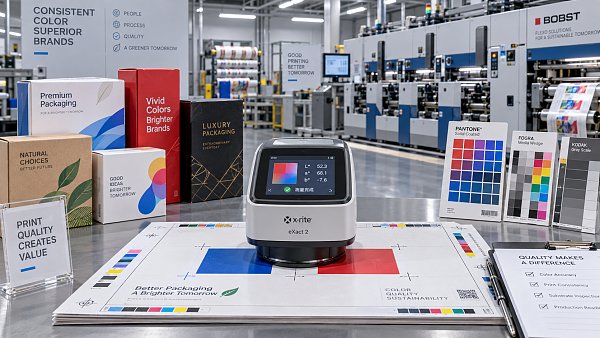
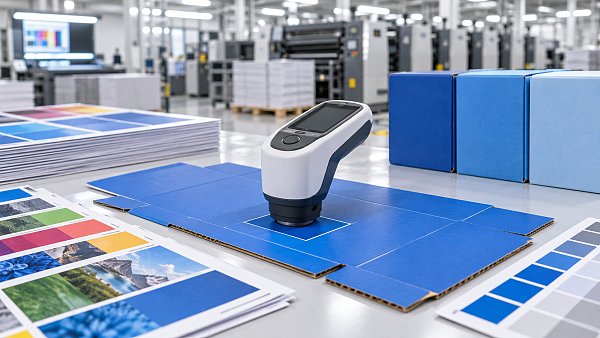
For packaging converters serving pharmaceutical customers, the requirements may differ from those of a manufacturer running an integrated cartoning line. A converter may prioritize printed-sheet or flat-carton inspection, artwork accuracy, color consistency, and code placement. An integrated packaging operation may place greater weight on carton-product matching, serialization data exchange, controlled rejection, and batch-level records. The system should match the point of control, not simply the equipment category.
Resources such as Global Commercial Print & Corrugated Packaging Intelligence (CPCS) can help project teams compare vision inspection, coding, converting, and packaging automation functions in the context of the full production flow. That broader view is useful because carton quality depends on how printing, finishing, conveying, inspection, and data control work together.
Make inspection part of the operating process
Installing cameras does not remove the need for disciplined operation. Operators need clear responses for alarms, rejected cartons, recipe changes, camera cleaning, and repeated failures. Maintenance teams need defined checks for lighting, mounts, sensors, reject actuators, and communication links. Quality review should examine trends rather than waiting for a major deviation to expose a weak setting or recurring mechanical issue.
The most effective approach is to decide, before implementation, what each inspection result will trigger. Some defects should cause immediate rejection of one carton. Some should stop the line because they suggest the process is no longer under control. Others should create a warning for review. These decisions should reflect the seriousness of the defect and the ability to contain affected material.
Pharmaceutical carton inspection is most valuable when it is treated as a connected error-prevention system: approved artwork and data enter the line, each carton is inspected at the right stage, failed cartons are verifiably removed, and production records support investigation and release decisions. That approach reduces dependence on visual spot checks while making packaging control more consistent under real production pressure.
Related News
 How to Select an Area Scan Camera for Reliable Print InspectionChoose an area scan camera for print inspection with confidence. Learn how resolution, lighting, speed, and testing affect defect detection—and make a smarter investment.Machine Vision & Coding Fellow
 How to Build a Reliable Compact Vision Sensor Inspection SystemBuild a reliable compact vision sensor inspection system with proven guidance on lighting, triggering, defect detection, and production-ready quality control.Machine Vision & Coding Fellow
 How High Accuracy Spectrophotometers Improve Print Color Controlhigh accuracy spectrophotometers help print and packaging teams detect color drift early, reduce waste, improve approvals, and protect brand consistency across every production run.Machine Vision & Coding Fellow
 How Spectrophotometers for Color Matching Improve Print ConsistencySpectrophotometers for color matching help printers control Delta E, reduce waste, and deliver reliable brand color across every press run.Machine Vision & Coding Fellow
 How Print Inspection Systems Prevent Defects Before ShipmentPrint Inspection Systems help detect print, barcode, color, and coding defects in real time—improving traceability, reducing waste, and preventing costly shipment failures.Machine Vision & Coding Fellow
 Smart Cameras for Inspection That Catch Print Defects in Real TimeSmart camera for inspection solutions catch print defects in real time, verify codes, reduce false rejects, and strengthen packaging quality control.Machine Vision & Coding Fellow