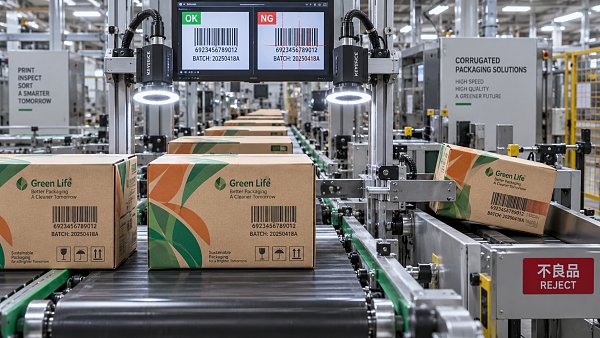
Color Inspection Systems for Packaging: When Manual Checks Are Not Enough
On a modern packaging line, color errors rarely announce themselves politely. They slip in during a plate change, after a viscosity shift, during a substrate variation, or halfway through a long production run when operators are focused on throughput. A carton may still look “good enough” to the naked eye, yet carry a visible brand-color drift on shelf, a weak barcode contrast, or a registration offset that becomes unacceptable under retail lighting or regulatory review. That is where Color Inspection Systems move from being a technical upgrade to being a practical quality-control necessity.
For quality managers and safety teams, the issue is not simply aesthetics. In packaging, color can affect brand trust, scannability, product identification, and, in some sectors, compliance. Manual checks still matter, but at high line speeds they can no longer serve as the only gatekeeper. When boards, labels, or cartons are moving too fast for consistent human judgment, automated inspection becomes the line’s memory, reflex, and evidence trail all at once.
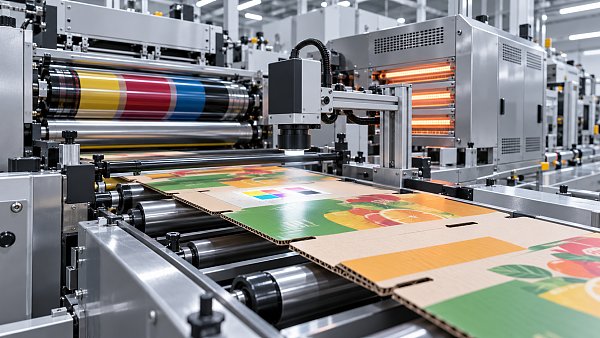
The shift is especially visible in corrugated, folding carton, and flexographic environments where speed, substrate variability, and print complexity intersect. As production pressure rises and waste tolerance falls, the question is no longer whether to inspect color. It is when manual inspection stops being enough—and what a better control strategy looks like in real production.
Why manual color checks break down in high-speed packaging
Manual inspection has one undeniable strength: experienced operators can notice unusual defects quickly. They know what “normal” looks like on their machine, and they often detect trouble before a report does. But human inspection is fragile under repetition, speed, and fatigue.
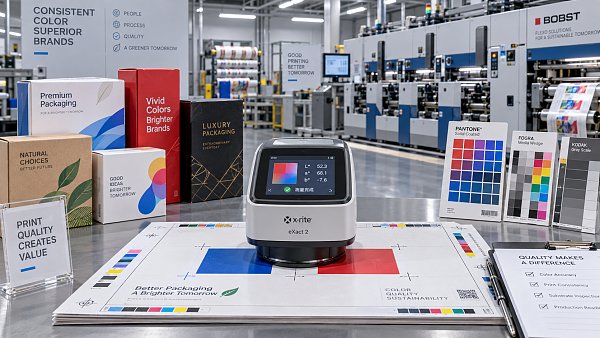
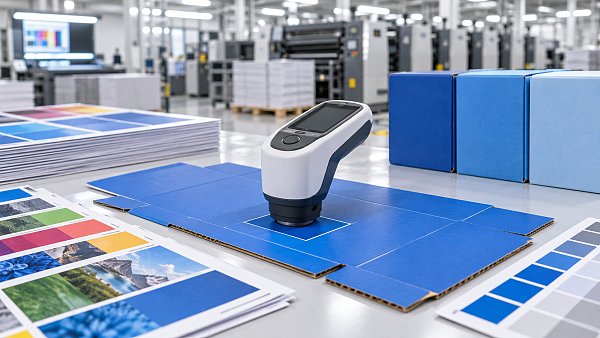
In packaging plants running high-volume jobs, color evaluation by eye is affected by ambient light, viewing angle, shift changes, and simple cognitive overload. One operator may accept a slightly warm red; another may reject it. A supervisor may prioritize output during a rush order, while a quality technician may focus on tighter visual consistency. None of this reflects poor discipline. It reflects the fact that visual judgment is inherently variable, especially when thousands of sheets or meters must be evaluated in motion.
The risk becomes greater when the print carries more than just graphics. Pharmaceutical cartons, food packaging, e-commerce transit boxes with pre-printed branding, and retail-ready corrugated displays often combine logos, barcodes, text, variable coding, and legal marks in a compressed print area. A subtle color shift may reduce contrast. A registration issue may not look dramatic but can blur microtext or affect code readability. In these situations, “acceptable by eye” may still mean “problematic in use.”
There is also the waste factor. Manual checks are usually periodic rather than continuous. By the time a drift is noticed, significant material may already be off spec. On expensive board grades or long runs, late detection translates directly into spoilage, rework, and line disruption.
What Color Inspection Systems actually do on the line
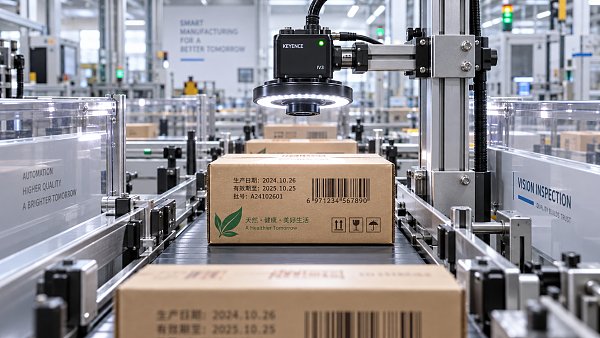
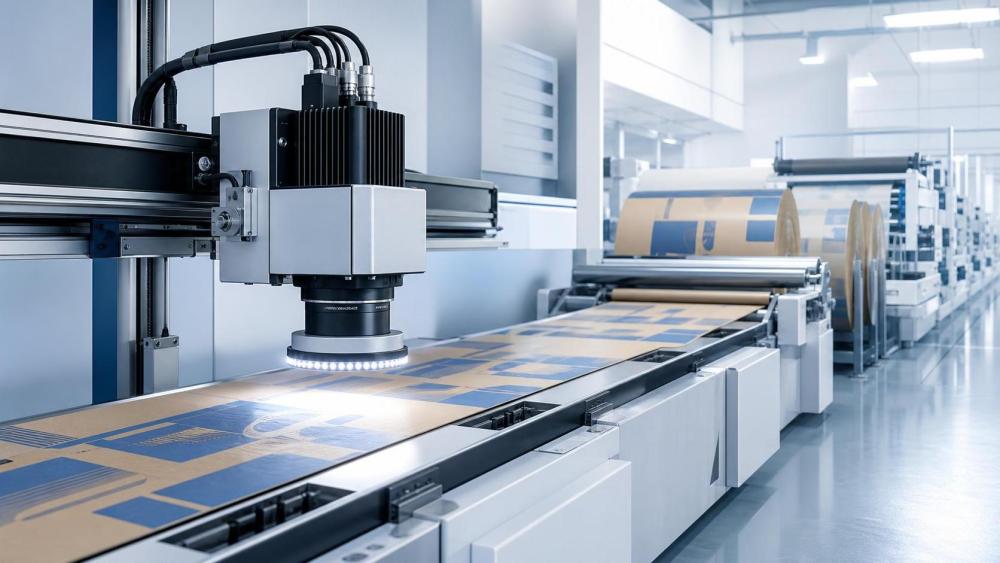
In practical terms, Color Inspection Systems combine cameras, controlled lighting, software, and decision rules to monitor printed packaging continuously. Depending on the application, they compare live production against a stored reference, evaluate color consistency across defined zones, detect registration deviations, flag print defects, and create a documented record of what happened during the run.
That sounds straightforward, but the real value lies in how these systems perform under industrial conditions. A well-configured inspection setup does not merely “see color.” It distinguishes between acceptable process variation and meaningful deviation. It can help teams catch:
- Brand-color drift across a run
- Registration errors between print stations
- Missing or weak print areas
- Ink density inconsistency caused by anilox, doctor blade, or viscosity issues
- Defects linked to substrate changes, contamination, or mechanical instability
- Low-contrast codes, marks, or symbols that may create traceability risks
On high-speed flexo and corrugated converting lines, this matters because color is rarely a standalone variable. Ink transfer, board absorbency, drying behavior, machine vibration, plate condition, and web or sheet handling all influence what the camera sees. The inspection system therefore becomes more than a final checkpoint—it becomes a diagnostic layer inside the production process.
Where quality control and safety goals overlap
Quality teams often search for automated color control because they want tighter consistency. Safety and compliance teams often search for it because they cannot tolerate ambiguity. In packaging, those two priorities frequently meet in the same defect.
Take barcodes and serialized marks. A package may carry the correct data, yet still fail in the field because surrounding print contrast is unstable or registration is poor. In food and pharmaceutical packaging, visual integrity is not purely cosmetic. It supports identification, traceability, and confidence that the correct product is in the correct pack. For consumer brands, it also protects against the much quieter damage of shelf inconsistency—when packs from the same batch do not visually match and customers notice before the producer does.
This is why advanced inspection is increasingly treated as part of line defense. It gives teams a way to move from reactive sorting to proactive control. Instead of discovering problems in finished pallets, they can isolate defects at source, investigate process drift earlier, and preserve evidence for audits or customer inquiries.
When a plant has clearly outgrown manual-only inspection
Not every operation needs the same level of automation, but some signals are hard to ignore. If any of the following sound familiar, manual checks are probably carrying too much of the burden:
- Frequent customer complaints about print consistency, even when internal checks passed
- Long runs where defects are discovered late, causing avoidable waste
- Multiple SKUs with tight brand-color requirements and short turnaround times
- Regulated packaging where readability, traceability, or label integrity must be documented
- Recurring disputes between production and quality over what is “acceptable”
- High-speed lines where sampling cannot realistically reflect full-run conditions
In many plants, the trigger is not one dramatic failure but a pattern of small losses: extra setup sheets, cautious slowdowns, repeated approvals, and too much reliance on individual operator experience. Those hidden inefficiencies chip away at OEE just as surely as a hard stoppage does.
Choosing the right inspection approach for corrugated and printed packaging
A common mistake is to treat all color inspection as interchangeable. In reality, the right solution depends heavily on substrate, press type, speed, defect criticality, and whether the goal is monitoring, closed-loop correction, or rejection.
For corrugated packaging, inspection needs to account for board texture, flute influence, dust, and the visual complexity of large printed areas. For folding cartons and flexo jobs, finer registration tolerance, smaller text, and code verification may matter more. In either case, quality managers should look beyond broad claims and ask practical questions:
- Can the system maintain inspection reliability at actual production speed?
- How does it handle substrate variation and lighting stability?
- Can tolerances be set by zone, artwork element, or defect type?
- Does it provide usable data for operators, not just alarms?
- How easily can it integrate with existing press, coding, or reject systems?
- Will the records support traceability, customer communication, and audits?
These questions matter because a technically impressive system can still fail in daily use if it produces too many false rejects, requires excessive intervention, or presents data in a way that operators do not trust. The best inspection systems fit real production behavior. They reduce ambiguity instead of creating a new layer of it.
From detection to process improvement
The strongest return on Color Inspection Systems usually comes after installation, when teams start using inspection data to improve process stability. A recurring cyan weakness in one area may point to plate wear or ink delivery inconsistency. A periodic registration shift may reveal a transport or gripper issue. Uneven color across width may indicate pressure imbalance, substrate quality variation, or drying-related behavior.
In that sense, inspection is not only about catching defects. It is about understanding the machine, the materials, and the moments when process capability starts to drift. For operations focused on reducing setup spoilage and protecting uptime, this is a major advantage. Instead of treating waste as an unavoidable cost of high-speed converting, plants can identify where process instability begins and respond earlier.
This is also where sector intelligence becomes valuable. In environments such as those monitored by CPCS—where corrugators, flexo presses, die-cutters, folder gluers, coding systems, and vision inspection all interact—the inspection layer should not be viewed in isolation. Print quality is connected to motion precision, ink behavior, board formation, drying conditions, and downstream handling. The more clearly those links are understood, the more useful the inspection investment becomes.
Implementation realities that should not be overlooked
Even a strong system will disappoint if deployment is rushed. Tolerance setting, golden-sample selection, lighting calibration, operator training, and escalation rules all shape results. Plants sometimes assume automation will instantly eliminate judgment calls; in reality, it shifts judgment from ad hoc visual decisions to structured rule setting. That is an improvement, but it still requires discipline.
It is also wise to define ownership early. Who responds first when the system flags a deviation—operator, quality technician, supervisor, or maintenance? Which defects justify immediate stop versus monitored continuation? How will approved tolerances be documented across shifts and repeat orders? These details decide whether inspection supports production or becomes a source of friction.
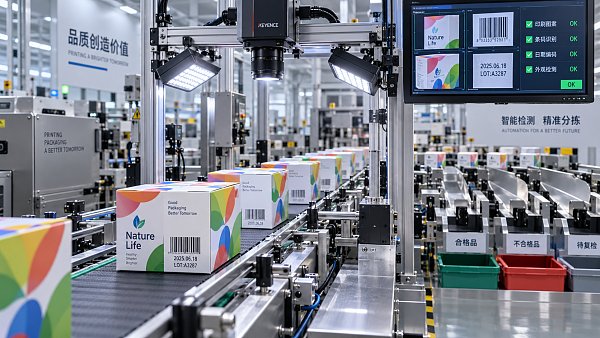
Another point worth remembering: color control should not be separated from code and print verification where the application demands both. For many safety-sensitive packaging lines, the most useful systems are those that contribute to a broader vision strategy, combining color inspection with checks for presence, readability, positioning, and serialization integrity.
What good looks like in day-to-day use
A successful deployment does not necessarily mean zero alarms. It means the line sees problems earlier, decisions become more consistent, and waste is contained before it grows. Operators trust the system because its alerts correspond to real quality risk. Quality teams can show evidence instead of relying on memory. Safety and compliance stakeholders gain a clearer record of packaging integrity across the run.
Over time, this changes the culture of inspection. Manual checks remain important, but they become targeted and confirmatory rather than overloaded and reactive. Human expertise is still on the line; it is simply backed by continuous vision data that does not blink, tire, or change its mind under pressure.
For packaging producers navigating high speeds, tighter tolerances, and stronger traceability demands, that combination is increasingly essential. Color Inspection Systems are not just tools for catching obvious print mistakes. They are part of a broader control framework that protects OEE, reduces preventable waste, and supports the credibility of every pack that leaves the plant.
When manual checks are no longer enough, the answer is not to inspect harder. It is to inspect smarter, with systems designed for the realities of modern packaging production.
Related News
 How to Build a Reliable Compact Vision Sensor Inspection SystemBuild a reliable compact vision sensor inspection system with proven guidance on lighting, triggering, defect detection, and production-ready quality control.Machine Vision & Coding Fellow
 How High Accuracy Spectrophotometers Improve Print Color Controlhigh accuracy spectrophotometers help print and packaging teams detect color drift early, reduce waste, improve approvals, and protect brand consistency across every production run.Machine Vision & Coding Fellow
 How Spectrophotometers for Color Matching Improve Print ConsistencySpectrophotometers for color matching help printers control Delta E, reduce waste, and deliver reliable brand color across every press run.Machine Vision & Coding Fellow
 How Print Inspection Systems Prevent Defects Before ShipmentPrint Inspection Systems help detect print, barcode, color, and coding defects in real time—improving traceability, reducing waste, and preventing costly shipment failures.Machine Vision & Coding Fellow
 Smart Cameras for Inspection That Catch Print Defects in Real TimeSmart camera for inspection solutions catch print defects in real time, verify codes, reduce false rejects, and strengthen packaging quality control.Machine Vision & Coding Fellow
 How Color Sensors Support Reliable Inline Print Quality InspectionColor Sensors enable reliable inline print quality inspection, helping packaging plants detect color drift early, reduce waste, protect brand consistency, and improve traceability.Machine Vision & Coding Fellow